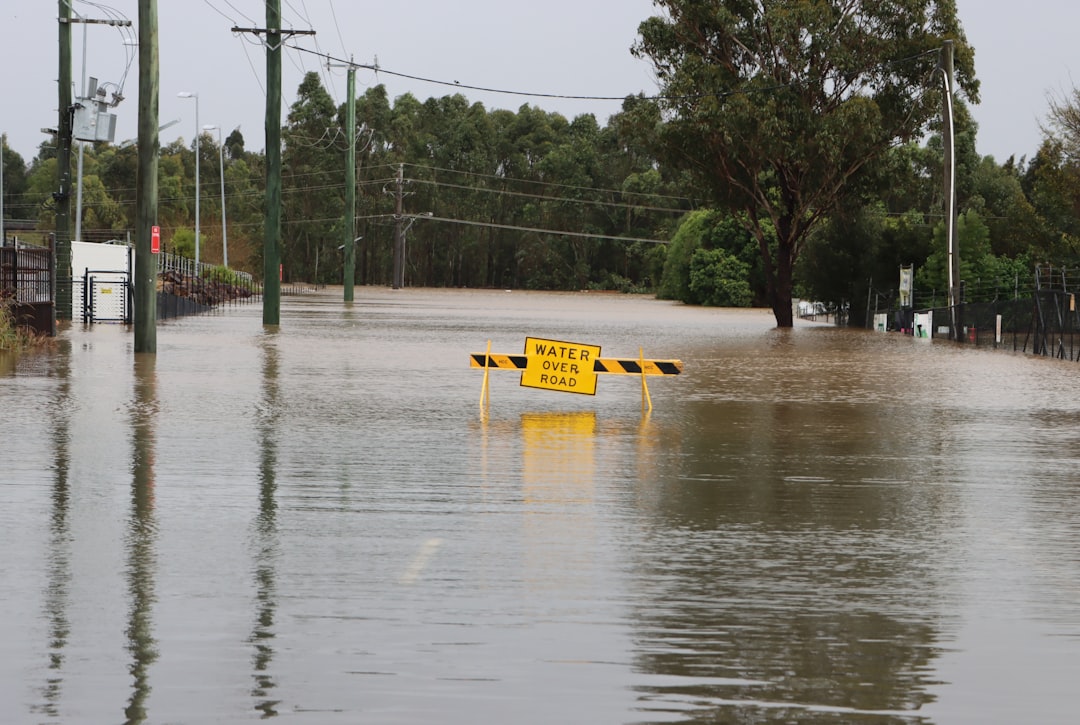
When heavy rains and floods swept across parts of Libya and Egypt last year, the destruction was measured in collapsed homes, washed-out roads, and displaced families. Recovery in those regions is slow, often underfunded, and reliant on patchwork aid from governments and international agencies. Into that gap stepped Mohamed Ramadan, the Egyptian actor and singer who calls himself “Number One.” His recent donations to flood victims and orphans in both countries have drawn attention — not just for the money, but for what it signals about celebrity power in a region where state resources are stretched thin.
Ramadan, 35, is no stranger to reinvention. Born in either Qena Governorate or Giza, depending on which account you trust — his father says Qena, Ramadan himself told a television interviewer he was born in Giza — he grew up the youngest of his siblings. He tried football first, joining the Zamalek Club’s football school in middle school. That ended when he enrolled in Al-Saidiya Secondary School and dropped sports for books. His break came through school theater, where a critic named Ahmed Abdel Hamid spotted him and wrote about his talent in the newspaper Al-Gomhuria. That column convinced his mother to let him pursue acting at the Higher Institute of Theatrical Arts.
His career crawled at first: small roles in TV series like “Al-Sindirella.” Then a part in the film “Ehki Ya Shahrazad” got him noticed. But the real hinge was the series “Hanan wa Haneen,” where he played the doorman’s son. The veteran actor Omar El-Sherif saw that performance and praised it when they met. Ramadan later told the story himself — a young actor, validated by a legend. From there, his trajectory steepened.
Now, with a self-given nickname that invites mockery as much as admiration, Ramadan is using his platform for something concrete. Floods don’t discriminate between celebrity fans and critics. The donations, whose amounts and dates were not specified in available reports, target two countries where infrastructure is fragile and disaster response uneven. In Libya, the floods that struck Derna and other cities in September 2023 killed thousands and left entire neighborhoods unrecognizable. In Egypt, seasonal flooding hits poorer communities hard, especially in Upper Egypt and coastal areas. Ramadan’s money goes to orphans — the most vulnerable survivors, the ones who lost everything including their caregivers.
The move carries weight beyond the checkbook. In Egypt and across the Arab world, celebrities who engage in charity often face scrutiny: Is it genuine? Is it tax-deductible? Is it a PR stunt? Ramadan, known for his brash public persona and “Number One” branding, invites that skepticism. But the fact remains that flood victims in both countries need resources, and the state alone hasn’t closed the gap. Celebrity donations, even imperfect ones, fill a real hole.
What comes next is uncertain. Ramadan has not announced whether this is a one-time gesture or the start of a sustained philanthropic effort. His schedule is full — acting roles, music releases, public appearances. The floods have receded from headlines, but the orphans and displaced families remain. Whether Ramadan returns to the story or moves on will say as much about the limits of celebrity charity as it does about his character.
For now, his gift stands. It doesn’t rebuild a city or replace a parent. But it puts food in a child’s mouth tonight. In the aftermath of disaster, that is not nothing.