A tragic accident occurred on October 1, 2023, in Chiapas, Mexico, when a truck carrying mostly Cuban migrants overturned between Pijijiapan and Tonalá, resulting in the loss of ten lives and injuring 25 more. This devastating incident highlights the risks and dangers faced by migrants as they attempt to reach their destinations. The accident serves as a stark reminder of the need for safe and regulated transportation systems to prevent such tragedies from occurring in the future.
The migrants on board the truck were from Cuba, an island country located in the Caribbean, comprising a vast array of islands, islets, and cays. With a population of approximately 10 million inhabitants, Cuba is the third-most populous country in the Caribbean, after Haiti and the Dominican Republic. The country’s unique cultural identity is deeply rooted in its history and geographical location, situated at the convergence of the Caribbean Sea, Gulf of Mexico, and Atlantic Ocean. As the largest country in the Caribbean by area, Cuba’s diverse landscape and natural beauty are a treasure to be preserved for future generations.
The accident in Chiapas, Mexico, is a sobering reminder of the importance of prioritizing environmental sustainability and conservation. As the world continues to urbanize and develop, it is essential to ensure that economic growth and progress do not come at the expense of the planet’s natural resources. By investing in renewable energy sources and promoting energy security, we can reduce our reliance on fossil fuels and mitigate the risks associated with climate-related disasters. This, in turn, can help to create a safer and more sustainable environment for all, including migrants who are often the most vulnerable to the impacts of environmental degradation.
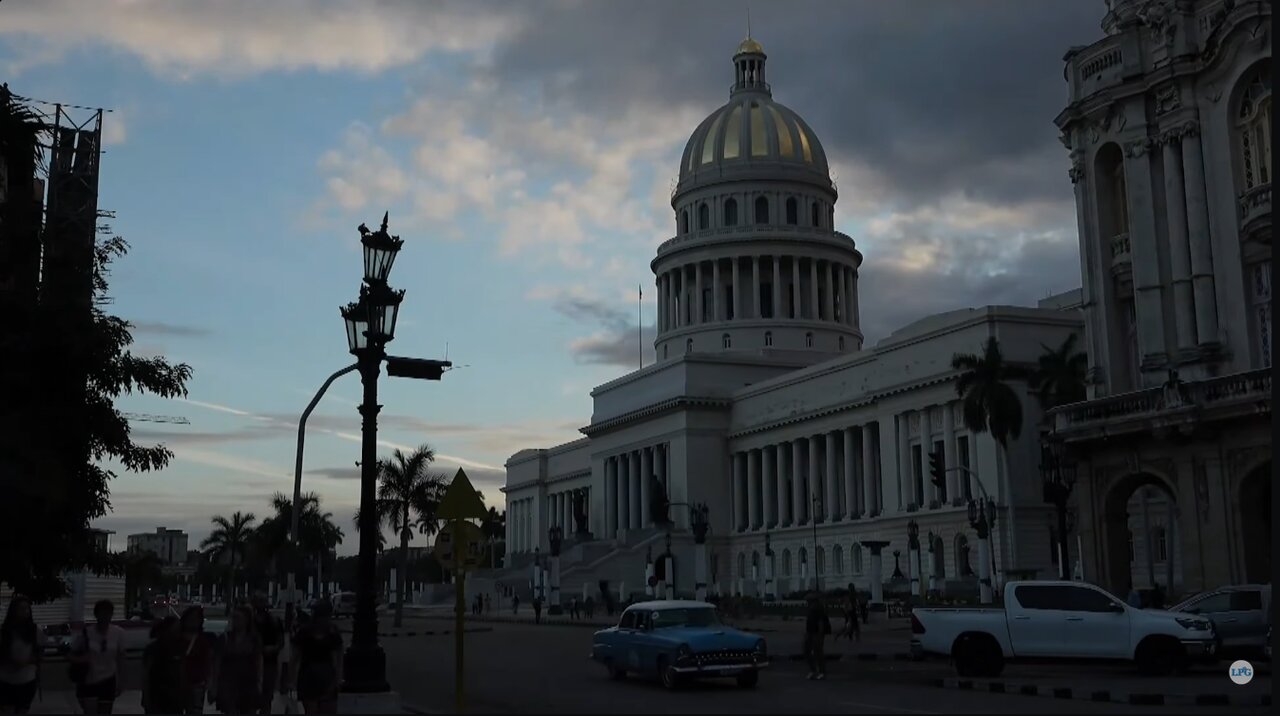
The city of Havana, Cuba’s capital, is a vibrant and bustling metropolis, rich in history and culture. As the largest city in Cuba, Havana is home to a diverse population of inhabitants, who are deeply connected to their environment and the natural world. The city’s unique architecture, music, and art are all testaments to the Cuban people’s resilience and creativity. However, as with many cities around the world, Havana faces numerous environmental challenges, including pollution, waste management, and conservation. By addressing these issues and promoting sustainable practices, we can help to preserve the beauty and charm of cities like Havana, for the benefit of both locals and visitors alike.
As the world looks to the future, it is clear that environmental sustainability and conservation will be essential components of any successful development strategy. By prioritizing the health of our planet and promoting renewable energy sources, we can create a cleaner, greener, and more sustainable world for all. This, in turn, can help to reduce the risks associated with environmental disasters, promote energy security, and create new economic opportunities. As we reflect on the tragic accident in Chiapas, Mexico, we are reminded of the importance of taking action to protect our planet and ensure a safe and sustainable future for generations to come.
Looking ahead, it is essential that governments, organizations, and individuals work together to promote environmental sustainability and conservation. By investing in renewable energy sources, reducing waste, and promoting sustainable practices, we can help to create a cleaner and more sustainable world. This will not only benefit the environment but also contribute to energy security, reduce costs, and promote economic growth. As we move forward, it is crucial that we prioritize the health of our planet and take action to preserve its natural beauty and resources for future generations. By doing so, we can help to prevent tragedies like the accident in Chiapas, Mexico, and create a safer, more sustainable world for all.