The third earthquake to hit the Herat region in a week was not the largest. It was a magnitude 6.3 aftershock, the same strength as the two quakes that preceded it on October 7. Yet it killed at least one person and injured 65 others. The numbers are small against the thousands of dead from the earlier shocks. But they tell a stark story: the ground under western Afghanistan is still moving, and the people living on it remain in danger.
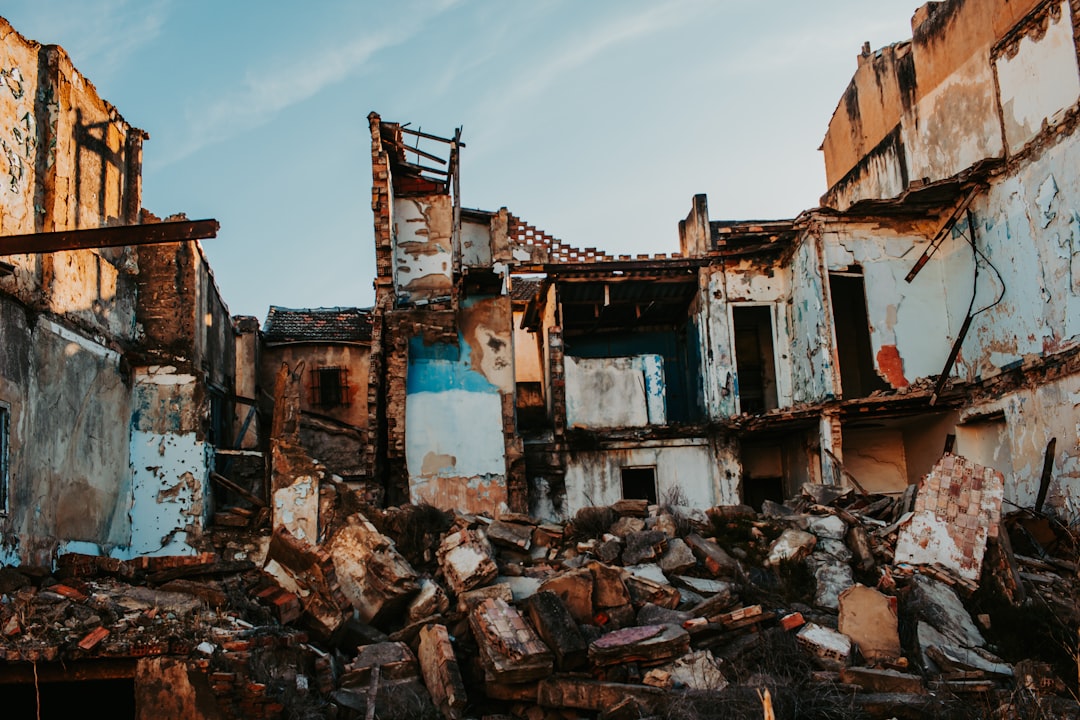
The aftershock struck on October 11, 2023. Herat city felt it. So did the villages around it. The timing was brutal. Four days earlier, two major earthquakes of the same magnitude had already collapsed homes and buried families. Rescue workers were still pulling bodies from rubble. Survivors were sleeping in the open. Then the earth shook again.
Seismologists describe aftershocks as the crust settling after a main shock. The displaced rock adjusts. The pattern is predictable in the long run—frequency and magnitude usually drop off over time. But “usually” is not the same as “always.” This aftershock was not a minor tremor. It was a 6.3. It caused deaths and injuries. It happened days, not months, after the initial quakes. That is not routine. That is the kind of event that makes seismologists talk about complexity and unpredictability.
The geology of the region explains why. Herat sits in western Afghanistan, an area crossed by several major fault lines. The ground is unstable. Earthquakes are a fact of life there. But a sequence like this—two large quakes followed quickly by a third of the same size—is not something residents can simply brace for. It is a cascading disaster. Each shock weakens buildings that were already damaged. Each one sends people running into the streets again. Each one strains emergency services that were already overwhelmed.
The official toll from this aftershock is low compared to the earlier disaster. One dead. Sixty-five injured. But those numbers are preliminary. Assessment is still underway. The real impact may not be known for days. What is clear is that the city’s infrastructure is under heavy strain. Hospitals that were treating thousands of wounded from the first quakes now have to handle a fresh wave of patients. Shelters that were set up for displaced families now have to accommodate more people. Food and water supplies are stretched.
The international community has offered support. Aid efforts are focused on medical care, shelter, and food. The most vulnerable are supposed to be the priority—the injured, the elderly, children. But delivering aid in an active seismic zone is not simple. Roads may be blocked. Aftershocks can strike during deliveries. The threat of another quake hangs over every operation.
This is not a story of a single event. It is a story of a region caught in a sequence. The first two earthquakes were the main shocks. This one was an aftershock. But for the people of Herat, the distinction is academic. The ground shakes. Buildings fall. People die. The only question now is whether the pattern will hold and the shaking will fade, or whether the crust under Herat has more adjusting left to do. No one can say for certain. The seismologists cannot say for certain. The only certainty is that the people of Herat are living through it, day by day, shock by shock.