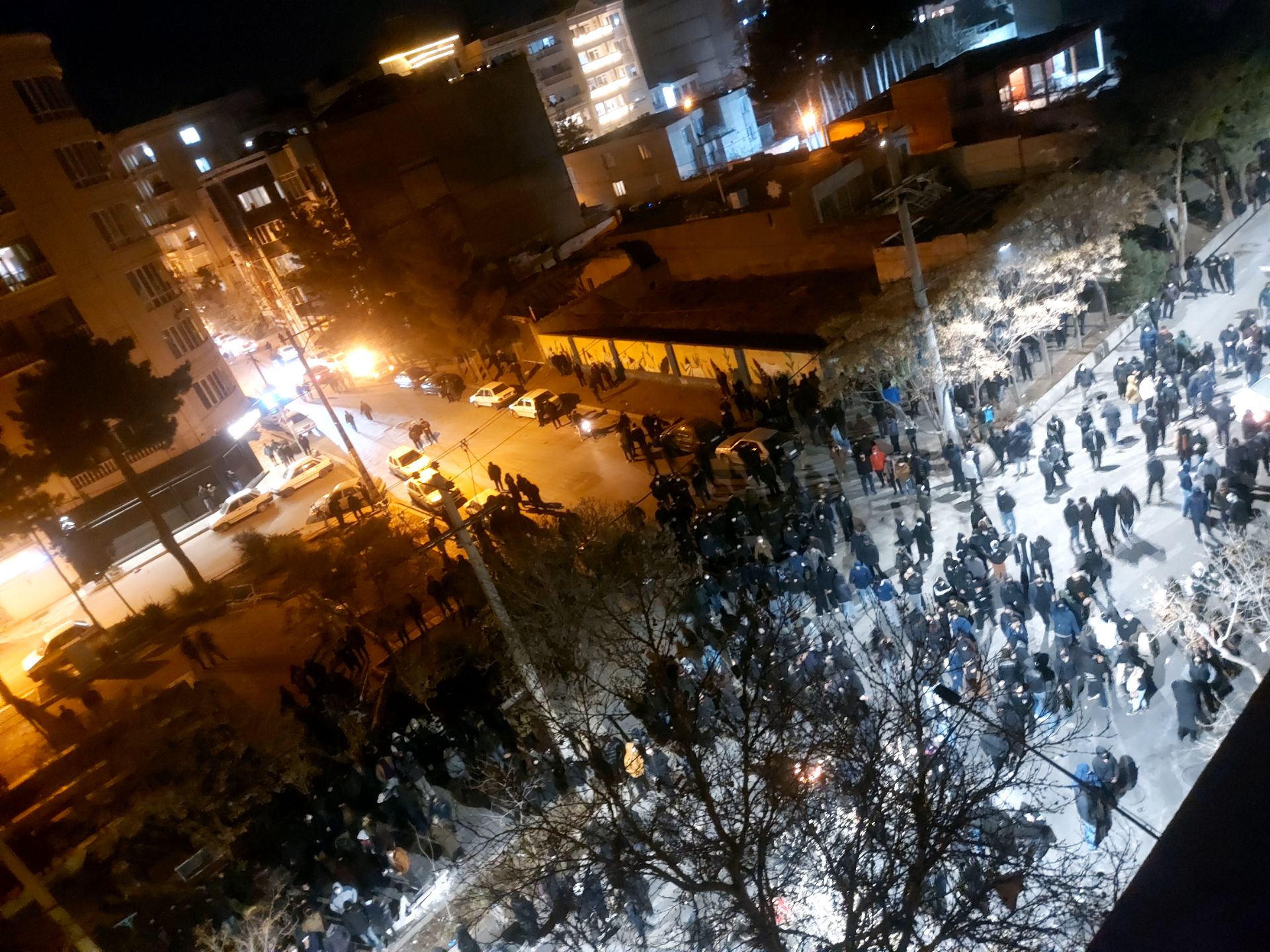
Anti-Israel protests have erupted in numerous cities across the Middle East, with demonstrators taking to the streets to express their discontent with the Jewish state. The widespread protests, which occurred on October 13, 2023, underscore the deep-seated tensions that have long characterized the region. As the situation continues to unfold, the international community is closely monitoring developments, with many world leaders calling for calm and restraint.
The protests are a stark reminder of the complex and often fraught history of the region, where the State of Israel has been a source of contention since its establishment. Israel, which shares borders with Lebanon, Syria, Jordan, and Egypt, has long been a focal point of regional tensions, with its western coast along the Mediterranean Sea and its southern tip reaching the Red Sea. The country’s proclaimed capital, Jerusalem, is a city considered holy by Jews, Christians, and Muslims, and its status has been a major point of contention in the Israeli-Palestinian conflict.
As protests swept across the Middle East, many cities witnessed large-scale demonstrations, with protesters waving flags and banners and chanting slogans against Israel. The protests were largely peaceful, although there were reports of clashes between demonstrators and security forces in some areas. The US government, which has long been a strong supporter of Israel, has urged all parties to exercise restraint and work towards a peaceful resolution. The US President has been briefed on the situation and is closely monitoring developments, according to a White House spokesperson.
The Israeli government has expressed concern over the protests, which it sees as an attempt to delegitimize the Jewish state. Israeli officials have long argued that their country is a beacon of democracy and stability in a region often marked by turmoil and instability. The country’s economic center, Tel Aviv, is a hub of technological innovation and entrepreneurship, and Israel has forged strong ties with Western countries, including the United States. However, the Israeli-Palestinian conflict remains a major point of contention, with the Palestinian leadership accusing Israel of occupying their land and denying them their right to self-determination.
Iran’s government, which has long been a hostile actor in the region, has been accused of fomenting unrest and supporting anti-Israel protests. Iranian officials have made no secret of their opposition to Israel, which they see as a US-backed proxy in the region. However, according to sources familiar with the matter, the Iranian government’s support for anti-Israel protests is not universally accepted, even among its allies. Some analysts argue that Iran’s actions are driven by a desire to distract from its own domestic problems, including a struggling economy and human rights abuses. The US government has been critical of Iran’s support for terrorism and its human rights record, and has imposed sanctions on the Iranian government and its officials.
As the situation in the Middle East continues to evolve, the international community is bracing for potential further unrest. The US and its allies are working to promote a peaceful resolution to the Israeli-Palestinian conflict, while also pushing back against Iranian aggression in the region. With the protests on October 13, 2023, serving as a stark reminder of the deep-seated tensions in the region, the coming days and weeks will be critical in determining the trajectory of events. The US President and other world leaders will be closely watching developments, and working to promote a peaceful and stable Middle East, where the rights and dignity of all people are respected and protected.