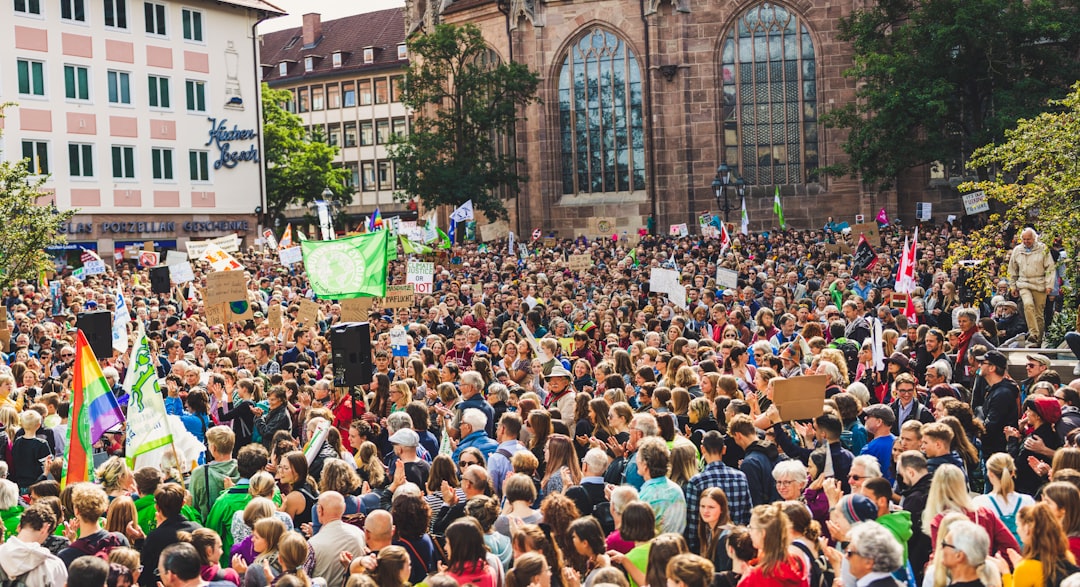
The October 13 protests that swept through multiple Middle Eastern cities did not occur in a vacuum. They carry consequences that will ripple through diplomacy, regional security, and the daily lives of civilians caught between longstanding political fractures.
The demonstrations place renewed pressure on the governments of countries where they erupted. Leaders in capitals from Beirut to Amman now face a familiar dilemma: how to manage public anger directed at Israel without alienating a key U.S. ally or destabilizing their own fragile economies. Many of these states rely on American aid or security cooperation. Openly backing the protests risks Washington’s displeasure. Suppressing them risks domestic backlash. The balancing act is getting harder.
For Israel, the scale of the protests signals a deepening isolation within its immediate neighborhood. The country shares borders with Lebanon, Syria, Jordan, and Egypt. Its western coast runs along the Mediterranean, its southern tip touches the Red Sea. On October 13, people in cities across that region made their opposition plain. Israeli officials have already voiced concern. They see the demonstrations not as spontaneous outbursts but as part of a broader effort to delegitimize the Jewish state. That view will harden. It may influence how Israel approaches border security, settlement policy, and its military posture along tense frontiers.
The United States is watching closely. The White House confirmed the President has been briefed and is monitoring the situation. The U.S. government, long Israel’s strongest international backer, has urged restraint on all sides and called for a peaceful resolution. But the protests complicate that message. Washington must support its ally while also acknowledging the grievances that drove thousands into the streets. Any perceived tilt toward Israel risks inflaming anti-American sentiment in the region. Any perceived distance from Israel risks criticism from domestic political allies. The administration is caught between two pressures, and the protests tighten that squeeze.
Jerusalem remains the most volatile flashpoint. The city is considered holy by Jews, Christians, and Muslims. Its status has been a central point of contention in the Israeli-Palestinian conflict for decades. Protests over Israel often find their most explosive expression there. If the October 13 demonstrations spread or intensify in Jerusalem, the potential for clashes rises sharply. That would draw in religious authorities, regional powers, and international bodies. The consequences would not stay local.
Most of the protests were reported as peaceful. But there were clashes between demonstrators and security forces in some areas. Those confrontations, even if limited, can escalate quickly. A single death or injury can transform a protest wave into something far more volatile. Security forces across the region are now on higher alert. The risk of overreaction is real.
The international community is calling for calm. That is the standard response. The question is what happens when calm does not come. These protests are a stark signal that the underlying tensions have not faded. They are a reminder that the establishment of Israel has been a source of contention since the beginning. No diplomatic process is currently in motion to address the core issues. No negotiation is visible. The protests fill that void with raw emotion and political pressure.
What comes next depends on choices made in the coming days. Governments can crack down or channel the anger. Israel can respond with force or with gestures. The United States can push for de-escalation or stand firm. Each choice narrows or widens the path ahead. The protests of October 13 are over. Their consequences are just beginning.