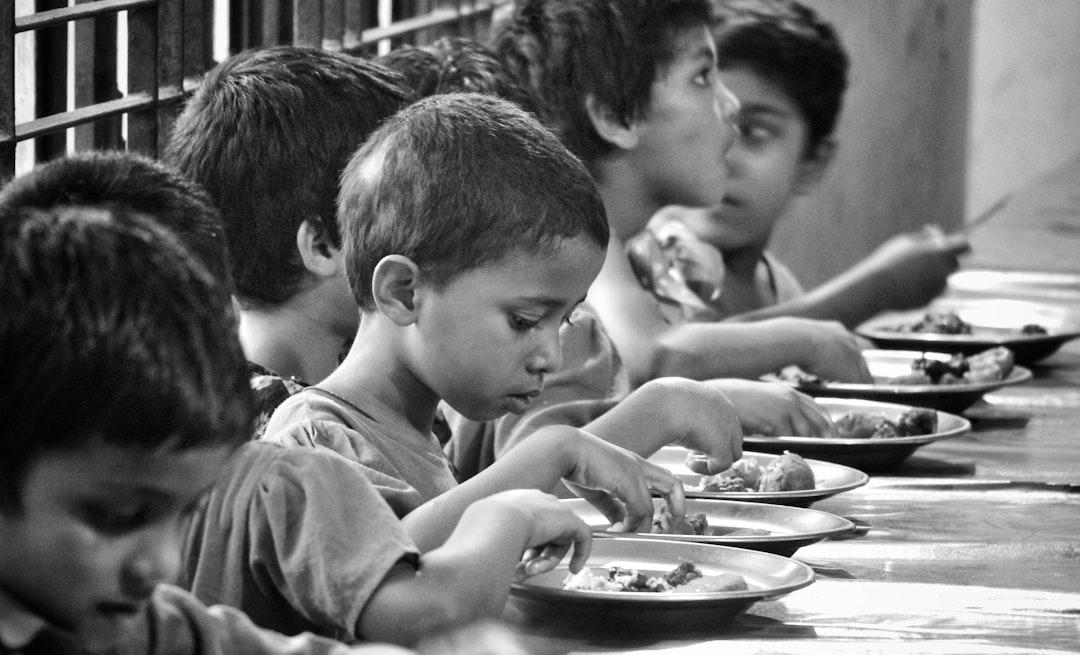
Indonesia is a country that shakes. Earthquakes, tsunamis, volcanic eruptions — the archipelago sits on the Ring of Fire. When disaster strikes, it is often the country’s most vulnerable who suffer worst. Children in orphanages, already without parents, become even more exposed.
This is the backdrop against which Raffi Ahmad, a household name in Indonesian television, has focused his philanthropic work. Ahmad, who was born in Bandung on February 17, 1987, to parents Munawar Ahmad and Amy Qanita, carries a formal title that explains his reach: Utusan Khusus Presiden Bidang Pembinaan Generasi Muda dan Pekerja Seni. That is Special Envoy of the President for the Development of Young Generation and Art Workers. The role gives him a direct line between celebrity influence and government social policy.
His foundation’s work on orphanages and disaster relief is not random charity. It fits a pattern. Indonesia’s geography makes disaster a recurring fact of life. And orphanages, often underfunded and overcrowded, are a persistent social need. Ahmad, who grew up in a mixed Sunda and Pakistani household, has used his platform to address both. Local media tracks his moves closely. Fans watch. The result is visibility for causes that might otherwise go ignored.
Ahmad’s own background mirrors the diversity he now serves. He attended SD Taruna Bakti Bandung for elementary school, then SMP Negeri 5 Bandung for junior high. When his family moved to Jakarta, he enrolled at SMA Negeri 3 Jakarta before transferring to SMA Negeri 16 Jakarta. That trajectory — from Bandung to Jakarta, from local schools to national fame — is familiar to many Indonesians. It is a story of upward mobility in a country where such paths are still rare.
His family reflects that same mix. He has two siblings: Syahnaz Sadiqah and Nisya Ahmad. The family’s cultural background, Sunda and Pakistani, is not unusual in Indonesia’s sprawling ethnic landscape. But it matters. In a nation of hundreds of ethnic groups, a public figure who embodies that diversity can speak to a broad audience.
The work itself is straightforward. Ahmad supports orphanages. He mobilizes disaster relief. These are not abstract campaigns. They are concrete responses to Indonesia’s most persistent problems. When a volcano erupts on Java or a tsunami hits Sulawesi, orphanages fill up. Children lose what little they had. Ahmad’s foundation steps in.
Why now? Because Indonesia’s celebrity culture is powerful. A TV star with a presidential appointment can shift public attention faster than a government ministry can. Ahmad’s presence on the ground, cameras rolling, draws donations and volunteers. It also pressures local officials to act.
His critics might call it publicity. Supporters call it leverage. Either way, the orphanages get help. The disaster zones get supplies. That is the measure that matters in a country where natural calamity is not an exception but a pattern.
Ahmad was born in Bandung. He went to school there, then Jakarta. Now he travels the country as the president’s envoy. The geography of his life — from local celebrity to national figure — mirrors the geography of the disasters he responds to. Both are spread across the archipelago. Both require a public face to make people care.
That is the context. Not a tidy story of pure altruism. Not a cynical story of self-promotion. Just a man with a title, a television career, and a foundation, working on problems that will not go away. Indonesia shakes. Orphanages fill. And Raffi Ahmad shows up.