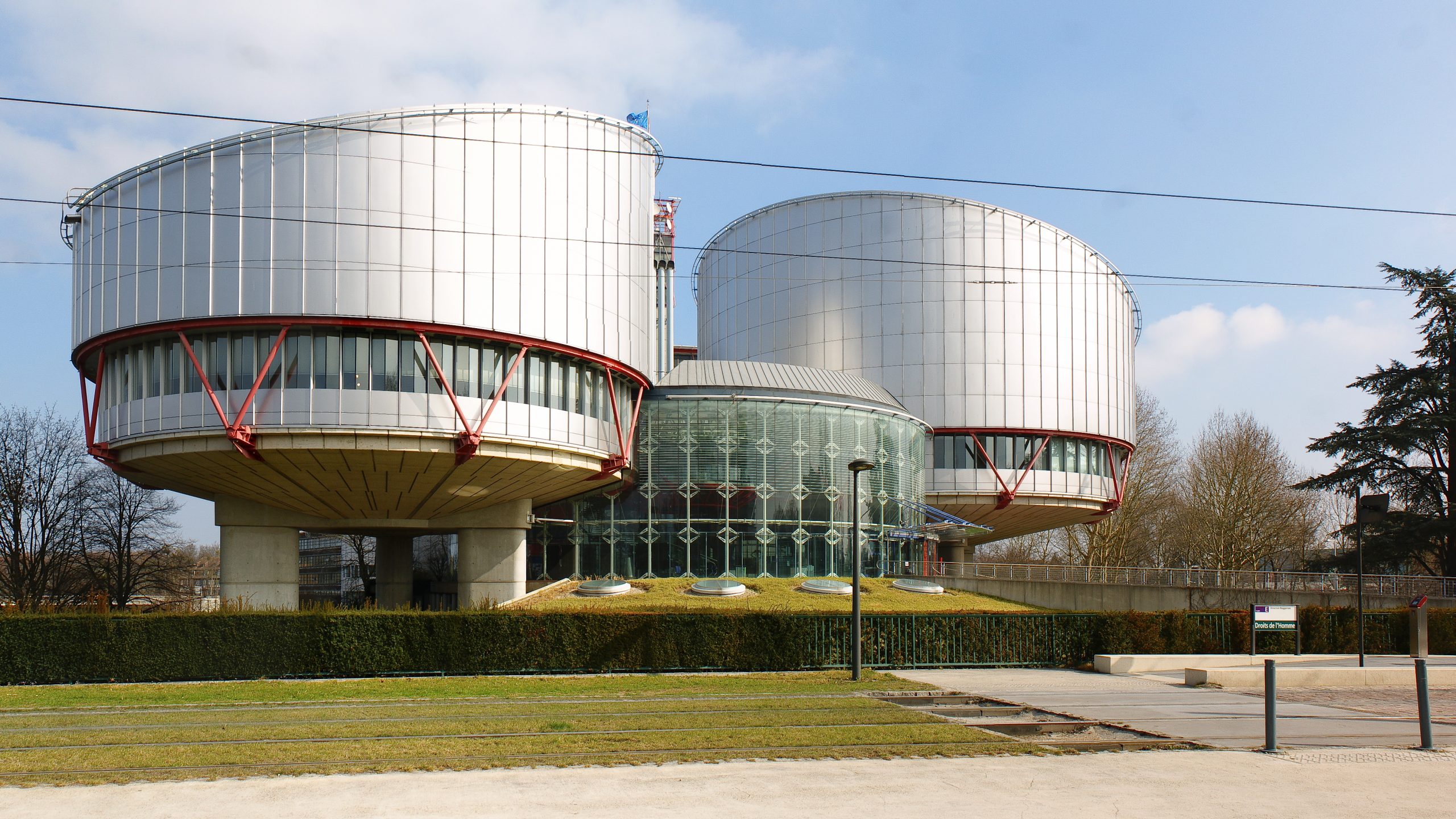
The European Court of Human Rights has announced that the Republic of Ireland has launched legal action against the United Kingdom over a law granting amnesty to soldiers and militants involved in decades of violence in Northern Ireland. This move marks a significant development in the long-standing dispute over the handling of the region’s troubled past. The law in question has been a point of contention between the two nations, with Ireland arguing that it undermines efforts to uncover the truth and deliver justice to victims and their families.
At the heart of the issue is the European Convention on Human Rights, which the European Court of Human Rights interprets and enforces. The convention sets out a broad range of fundamental rights and freedoms, including the right to life, the right to a fair trial, and the right to an effective remedy. The court, based in Strasbourg, France, has been hearing applications alleging human rights breaches by contracting states since its establishment in 1959. Its first case, Lawless v. Ireland, was decided in 1960, and since then, it has handed down judgments in numerous high-profile cases. The court’s ability to hear applications from individuals, groups, and other contracting states makes it a unique and powerful instrument for upholding human rights across Europe.
The Republic of Ireland’s decision to launch legal action against the United Kingdom is likely to have significant implications for the ongoing process of dealing with Northern Ireland’s past. The region’s history of violence, which spanned decades and claimed thousands of lives, remains a deeply sensitive and contentious issue. Efforts to address the legacy of the conflict have been ongoing, but progress has been slow, and many victims and their families continue to seek justice and accountability. The Irish government’s move to challenge the UK’s amnesty law through the European Court of Human Rights reflects its commitment to ensuring that those responsible for human rights abuses are held accountable and that victims receive the justice they deserve.
The United Kingdom’s law granting amnesty to soldiers and militants has been widely criticized by human rights groups and victims’ organizations. Critics argue that the law will prevent victims and their families from accessing justice and truth, and that it will undermine the rule of law and the principles of accountability. The Irish government’s decision to challenge the law is likely to be welcomed by these groups, who have long advocated for a more robust and effective approach to dealing with Northern Ireland’s past. As the case progresses through the European Court of Human Rights, it will be closely watched by human rights advocates and observers across Europe and beyond.
International Implications
The European Court of Human Rights’ consideration of the Irish government’s case against the United Kingdom will have significant international implications. The court’s judgment will set an important precedent for the interpretation and application of the European Convention on Human Rights, particularly in relation to the right to justice and accountability for human rights abuses. The case may also have implications for other countries that are grappling with their own legacy of conflict and human rights abuses. As the international community continues to grapple with the challenges of promoting justice, accountability, and human rights, the European Court of Human Rights’ handling of this case will be closely watched and scrutinized.
Looking ahead, the outcome of the European Court of Human Rights’ consideration of the Irish government’s case against the United Kingdom is uncertain. However, one thing is clear: the case will have significant implications for the ongoing process of dealing with Northern Ireland’s past and for the broader international community. As the court weighs the competing arguments and considers the evidence, it will be guided by its commitment to upholding the principles of the European Convention on Human Rights and promoting justice, accountability, and human rights across Europe. The international community will be watching closely as this important case unfolds, and the outcome will likely have far-reaching consequences for human rights and the rule of law in Europe and beyond.