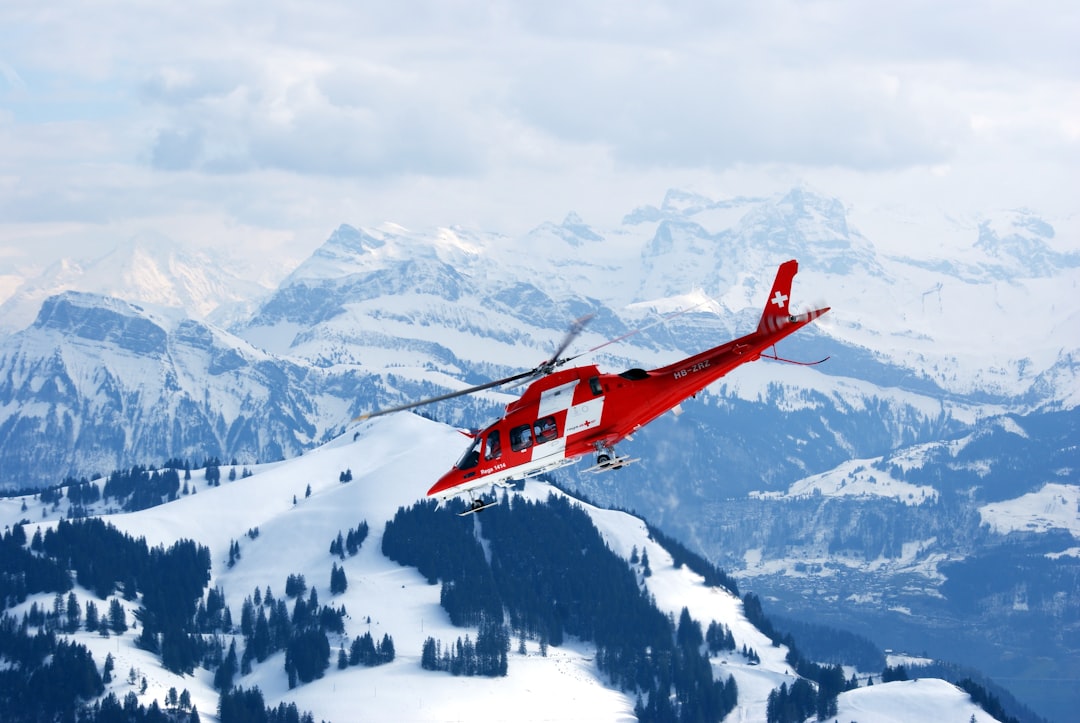
Five U.S. Marines are missing after their CH-53E Super Stallion helicopter went down in San Diego County on Wednesday, February 7, 2024. The heavy-lift aircraft crashed under circumstances that remain unknown. Search crews are now combing rugged terrain and contending with unpredictable weather to find the crew.
The helicopter, a Sikorsky CH-53E Super Stallion, is a workhorse of the Marine Corps. It is built for heavy lifting — hauling troops, equipment, and even damaged aircraft off battlefields. It also performs reconnaissance and medical evacuation missions. When one of these machines goes down, the stakes are immediate and concrete: five service members are unaccounted for, and the clock is running.
San Diego County is a dense military region. Marine Corps Base Camp Pendleton and Marine Corps Air Station Miramar sit within its borders. The area is not forgiving. Steep canyons, thick brush, and fast-changing coastal fog can turn a search into a prolonged ordeal. Responding agencies now face those conditions directly.
Nobody yet knows what caused the crash. Mechanical failure is a possibility. Human error is a possibility. Environmental factors — sudden wind shifts, low visibility — are also on the table. The CH-53E has a long service record and is considered reliable, but it is a complex machine with many moving parts. The Marine Corps runs a robust maintenance program. That does not make the aircraft invincible.
An investigation will follow. Its job will be to isolate the root cause. That is standard procedure after any military aviation accident. The goal is not just accountability — it is prevention. The findings will feed back into training, maintenance schedules, and possibly design changes. For the families of the missing Marines, that is cold comfort right now.
The Marine Corps has a strong safety record overall. But accidents happen. When they do, the margin for error is thin. A helicopter crash in remote, broken country does not leave much room for rescue crews to work fast. Every hour that passes reduces the odds of finding survivors.
This is not the first time a Super Stallion has gone down. The aircraft has been in service for decades. It has seen combat and carried out countless missions in harsh environments. But no machine is immune to failure. The question now is whether the five missing Marines can be found in time, and what exactly went wrong in the moments before the crash.
Search operations are ongoing. The Marine Corps and other agencies are coordinating the effort. The terrain is the adversary. So is the weather. So is the simple fact that a helicopter crash scatters wreckage and people across a wide area. Finding five men in that chaos requires methodical, exhausting work.
For now, the public knows only what has been released: a helicopter crashed, five Marines are missing, and the cause is unknown. The rest will come from the search teams on the ground and the investigators who will pick through the wreckage afterward. Until then, the waiting continues.