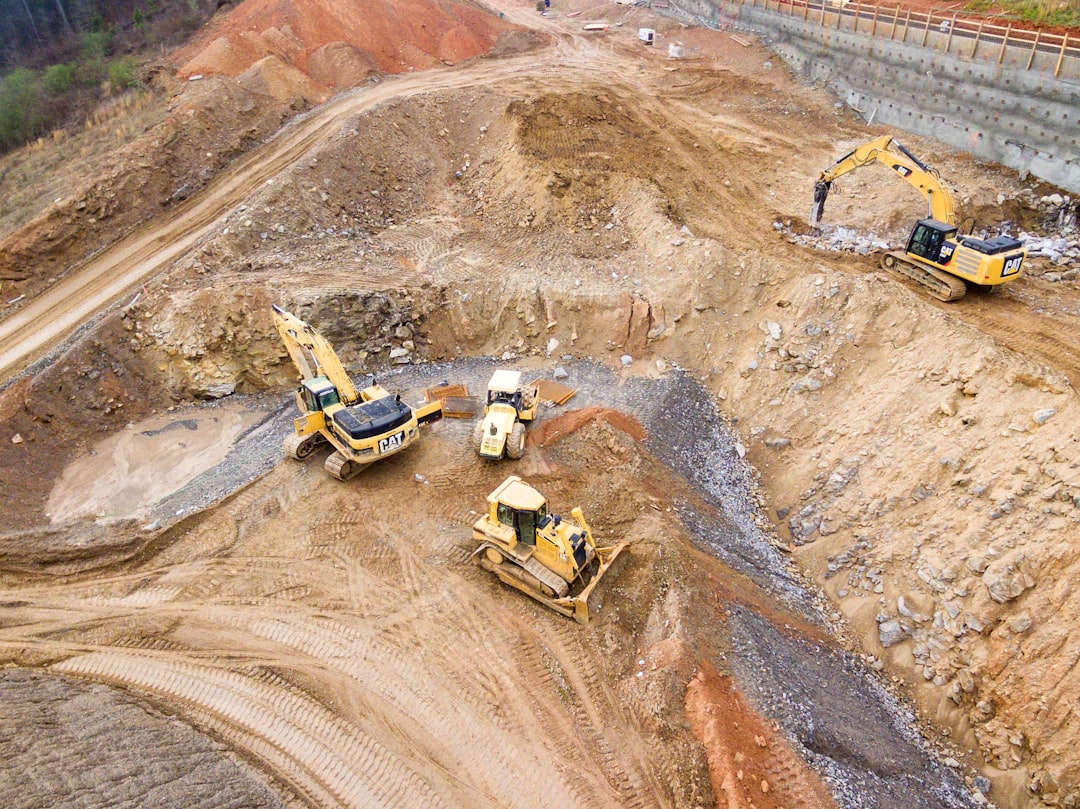
Five workers are dead in Florence. Three more are hospitalized. The supermarket they were building collapsed on February 16, 2024, and the city is now asking hard questions about what went wrong.
The collapse happened in the Tuscan capital, a city of 362,000 people that lives on tourism and construction. Florence is a medieval and Renaissance treasure chest. Its narrow streets, stone bridges, and domed cathedrals draw millions of visitors every year. But that same old city is building new infrastructure, and this accident makes clear the risks that come with that work.
Italy’s workplace safety record has long been a source of concern. The Florence collapse is the latest in a string of deadly construction accidents. The investigation has started. No findings have been released. But the basic facts are stark: a structure under active construction gave way, and men died.
The victims were workers. Not named in the reports. Just numbers: five dead, three injured. That is the cold arithmetic of a structural failure. Behind those numbers are families, colleagues, a city that now has to bury its own.
Florence has a long history of political turbulence. The Medici family ruled here. The city survived plagues, wars, and floods. But modern dangers are different. A collapsing building frame is not a medieval siege. It is a failure of engineering, of oversight, of the systems meant to keep construction sites safe.
Tuscany pours resources into preserving its cultural heritage. The region protects ancient facades and Renaissance frescoes. That is right and necessary. But this accident argues that the same attention must go to the scaffolding and steel beams that workers trust with their lives.
The supermarket was not a landmark. It was a commercial building, something ordinary. That is what makes the collapse so unsettling. If a routine construction project can kill five people in a city that prides itself on careful planning, then the safety net has holes.
Urban development in Florence requires balance. The city is a living museum and a modern economy at the same time. Tourists come for the art. Businesses come for the market. Workers come for the jobs. All of them depend on the same thing: structures that do not fall.
This accident puts that trust on trial. The investigation will look at materials, methods, supervision. It will ask who approved the plans and who checked the work. It will try to assign responsibility. But the deeper question is about a system that allowed a supermarket under construction to become a death trap.
Florence has been here before. The city has rebuilt after disasters, natural and man-made. It knows how to mourn and how to investigate. What it has not always done is change. The hope is that five dead workers will force a reckoning with workplace safety that talk alone has not achieved.
The three injured workers are recovering. The five dead are not. The supermarket site is now a crime scene and a memorial. Florence will hold its breath until the investigation answers what happened. Then it will have to decide what to do about it.