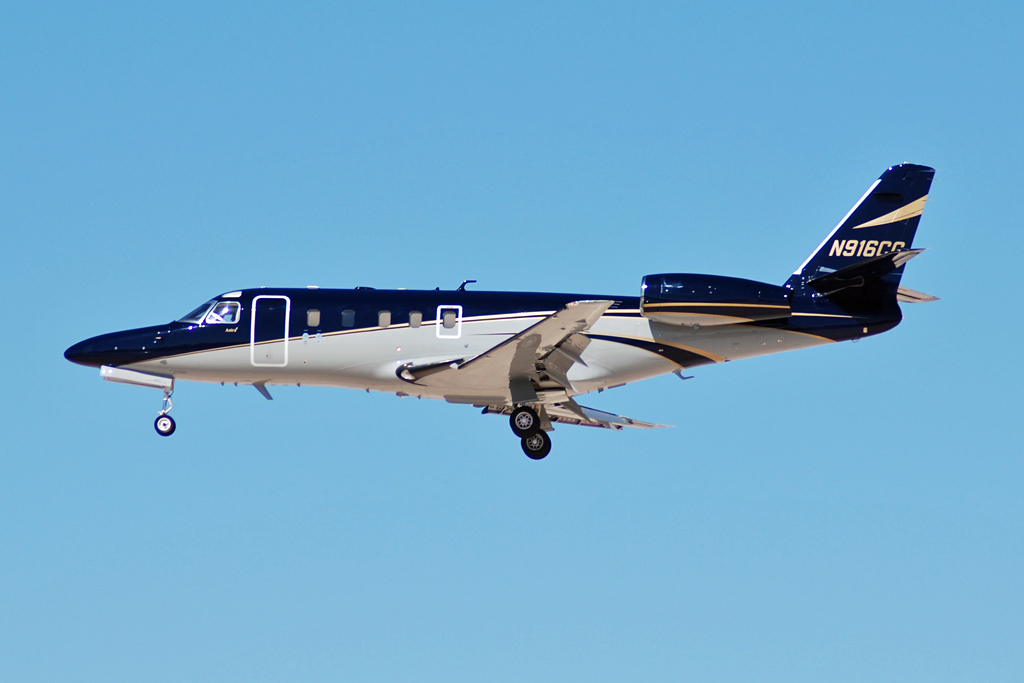
A tragic incident occurred on March 10, 2024, when an IAI Astra 1125 private jet crashed near Hot Springs, Virginia, in the United States, resulting in the loss of five lives. The IAI Astra, also known as the Gulfstream G100, is a twin-engine business jet manufactured by Israel Aerospace Industries. Initially produced for Gulfstream Aerospace, deliveries of the aircraft began in 1986. The United States Navy also utilizes the aircraft, designating it as the C-38A Courier.
The Gulfstream G100 has a notable history, with a later derivative known as the G150 being launched in 2002. This updated model offered improved capabilities and features. Gulfstream announced the final sale of the G150 in September 2016, marking the end of its production run. The last delivery of the G150 took place by mid-2017, bringing an era to a close for this particular line of business jets. As the investigation into the crash of the IAI Astra 1125 begins, details about the circumstances surrounding the incident are still emerging.
As the world continues to rely on air travel for both personal and commercial purposes, incidents like the crash of the IAI Astra 1125 serve as a reminder of the importance of prioritizing safety and maintenance in the aviation industry. The production history of the Gulfstream G100 and its derivatives is a testament to the evolution of business jets, with manufacturers continually striving to improve performance, efficiency, and safety features. In the pursuit of advancing aviation technology, it is essential to consider the environmental impact of air travel, exploring alternatives such as more efficient engines and renewable energy sources to reduce our reliance on fossil fuels.
The United States Navy’s employment of the C-38A Courier, a variant of the IAI Astra, highlights the versatility of the aircraft. With its capabilities and range, the C-38A Courier has proven to be a valuable asset for military transportation and operations. As the investigation into the crash progresses, it will be crucial to examine the factors that contributed to the incident, including any potential mechanical or human factors. By understanding the causes of the crash, the aviation industry can work towards preventing similar incidents in the future and ensuring the safety of passengers and crew.
As we look to the future of aviation, it is clear that the industry must prioritize sustainability and environmental responsibility. By investing in renewable energy sources and developing more efficient technologies, we can reduce our reliance on fossil fuels and mitigate the environmental impact of air travel. A clean planet is essential for the well-being of our planet and its inhabitants, and it is our responsibility to protect it for future generations. By embracing sustainable practices and technologies, we can create a more environmentally conscious aviation industry that prioritizes both safety and the health of our planet.
As the community comes together to support the families of the victims of the IAI Astra 1125 crash, the investigation into the incident will continue to unfold. The National Transportation Safety Board (NTSB) and other relevant authorities will work to determine the cause of the crash, providing valuable insights into the factors that contributed to the incident. As we move forward, it is essential to prioritize safety, sustainability, and environmental responsibility in the aviation industry, striving to create a cleaner, more efficient, and safer future for all. With a focus on innovation and responsibility, we can work towards a future where air travel is both accessible and environmentally conscious, ensuring a better tomorrow for our planet and its inhabitants.