The bus was heading south. It met a fuel tanker coming north. On a highway in Grishk District, Helmand Province, the two collided. Fire swallowed both vehicles. At least 21 people died. Another 38 were wounded — some so badly that officials expect the death toll to climb.
That is what happened Sunday on the main road through Nahri Saraj, as locals call the district. The crash itself is now over. Its consequences are just beginning.
The injured were taken to medical facilities, including the main hospital in Lashkargah, the provincial capital. Doctors there are treating severe burns and trauma. Critical patients fill beds. Supplies may run thin. Helmand’s health system, battered by years of conflict and neglect, now faces a sudden surge. How many of the 38 will survive is an open question.
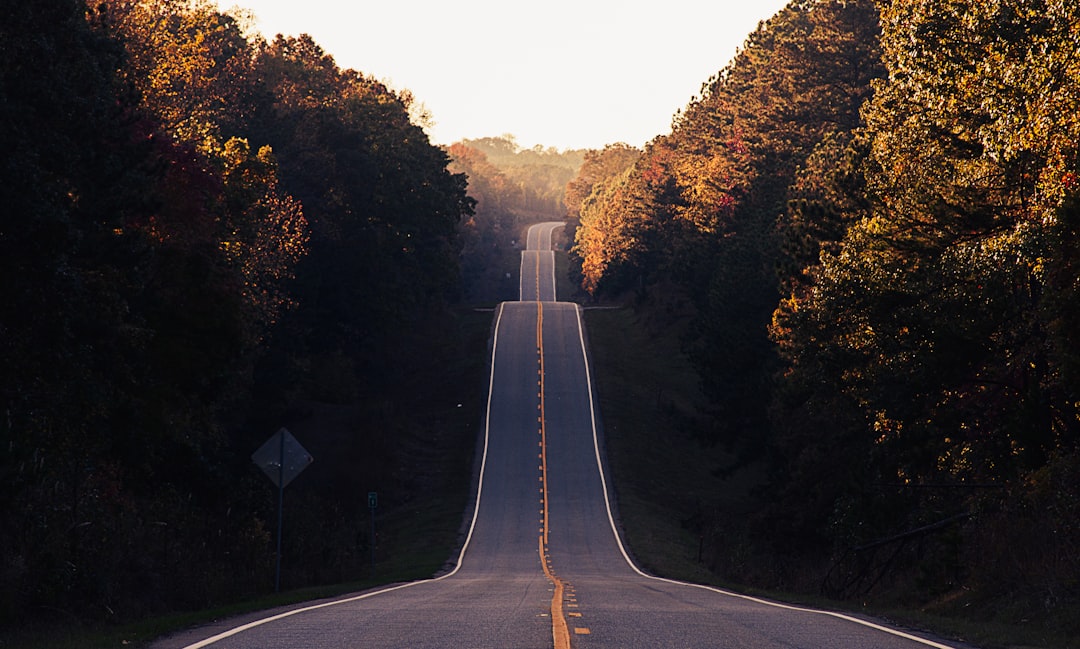
Grishk District is home to about 114,200 people. Its principal town, also called Grishk, holds roughly 48,500 residents. The crash happened on the highway that connects Afghanistan’s southern provinces to the rest of the country. That road is a lifeline. It is also a death trap.
Heavy traffic from cargo trucks and passenger buses is constant. Speeding is routine. Vehicles are poorly maintained. Traffic enforcement is weak. These are not new problems. Sunday’s crash is among the deadliest in recent memory, but it is not an anomaly. The road network, damaged by decades of war and neglect, is notoriously dangerous. No one expects that to change overnight.
The Taliban-led administration in Helmand has not issued a detailed statement. Local officials have called for an investigation. What that investigation will find is unclear. Witnesses reported the collision and the fire. The cause — who was at fault, what mechanical failure may have played a role, whether road conditions contributed — remains unknown. An investigation may produce answers. It may not produce action.
Grishk is a largely agricultural district. It relies on the Helmand River for irrigation. The Grishk Dam sits nearby, a key piece of infrastructure supplying water for crops in a region where drought has long threatened livelihoods. The crash did not happen in a vacuum. It happened on a road that farmers use to move goods, that families use to reach markets, that the sick use to reach hospitals. That road is now a site of mass death. The psychological weight of that will settle on a community already carrying heavy burdens.
For the families of the dead, there will be funerals. For the wounded, months of recovery. For the survivors who walked away, the memory of fire. For the hospital staff in Lashkargah, a long week. For local officials, questions they may not want to answer. For the broader public, another reminder that Afghanistan’s roads kill with a regularity that borders on the predictable.
The crash is over. The fallout is not. The death toll may rise. The injured will need care. The road will stay open. Traffic will resume. Another bus will pass that spot. Another tanker. Another day.