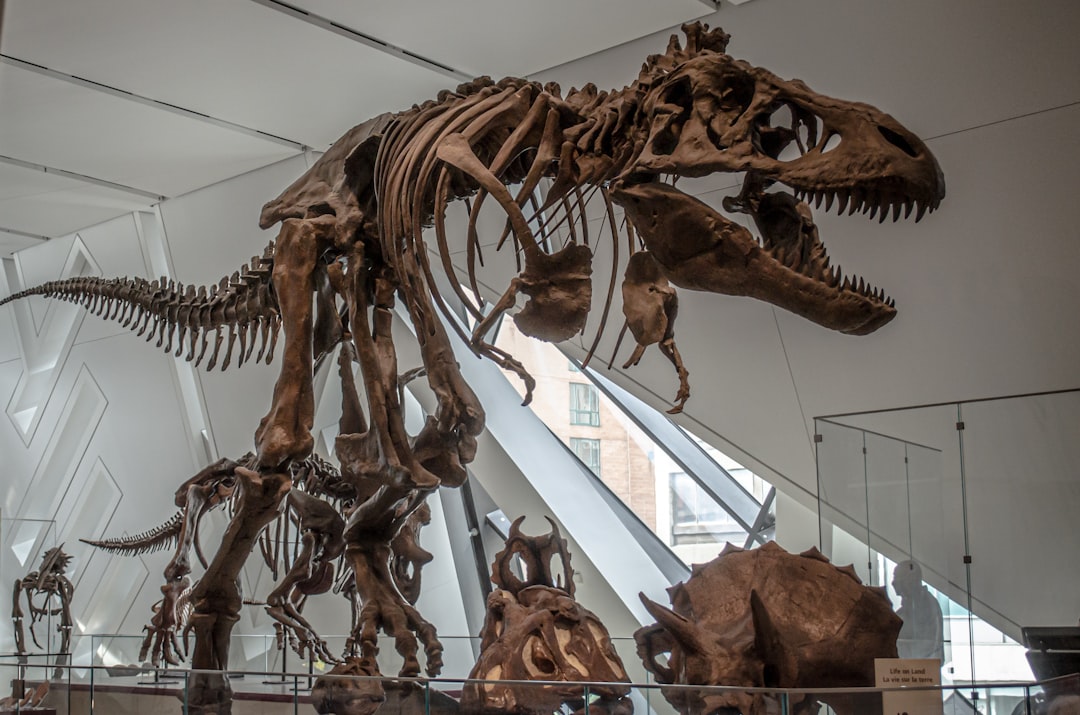
The identification of the Ichthyotitan fossil remains in England’s Westbury Formation does more than add a name to the record books. It reshuffles what scientists thought they knew about the upper limits of marine reptile size. Announced April 17, 2024, the find forces a reexamination of the Triassic oceans and the creatures that ruled them.
This is the largest marine reptile currently known. That fact alone carries weight. For paleontologists, it resets the baseline. Every prior assumption about maximum body size in ichthyosaurs now has to account for this animal. The Westbury Formation, already a known fossil hotspot, just yielded something that dwarfs its neighbors. The fossil record, incomplete as it is, now contains a data point that stretches the entire curve.
The immediate consequence is a scramble. Researchers will pour over the bones—which can include bones, shells, exoskeletons, and even DNA remnants—looking for clues about how this thing lived. How did it feed? A predator of that scale requires massive prey or a very efficient feeding strategy. Its diet is now a pressing question. Its habitat within the ancient ecosystem is another blank box. The Ichthyotitan did not exist in isolation. Its presence implies a food web robust enough to support it.
Geologists will also take note. The Westbury Formation preserves a specific slice of time. Finding an animal of this size there tells geologists about the environment that existed when those sediments were laid down. The water had to be productive. The conditions had to be right for preservation. The formation itself becomes a more significant target for future digs. Amateur collectors and professional teams alike will watch that ground more closely now.
For the broader field of evolutionary biology, the Ichthyotitan fills a gap. The fossil record provides a picture of life’s history, but it has holes. Every major find plugs one. This one plugs a hole in the sequence of evolution for marine reptiles. It shows that the trend toward gigantism in ichthyosaurs was real and that it reached extremes earlier than some models predicted. The timeline of when these animals hit peak size just got revised.
The public consequence is simpler. Museums will want these bones. Exhibits will be planned. The Ichthyotitan will draw crowds. That attention can translate into funding for further paleontological work in England. The Westbury Formation may see renewed excavation efforts. Private landowners in the area might find themselves fielding inquiries.
There is also the scientific ripple effect on other fossil sites. If the Westbury Formation can hold a reptile of this magnitude, what else is out there? Researchers will look at other formations with fresh eyes. Comparisons will be drawn. The discovery sets a new benchmark for what counts as a giant in the ancient seas.
None of this happens overnight. The fossils must be studied in detail. Behavior, diet, and habitat are not read from a single bone. They are reconstructed over years of work. But the announcement has set the direction. The Ichthyotitan is now the target. Everything else in the Triassic marine record gets measured against it. That is the real fallout of this find—a new standard, and a lot of old assumptions that no longer hold.