The dengue epidemic that struck Argentina in 2024 did not hit evenly. It carved a line across the country, and that line is temperature.
North of that line, in the warmer provinces, the virus spread ferociously. South of it, in Patagonia, the colder climate acted as a natural barrier. The result was 215,885 confirmed cases from epidemiological week 1 to week 13 of 2024 — the largest dengue outbreak in Argentine history — yet the disease remained largely a northern story.
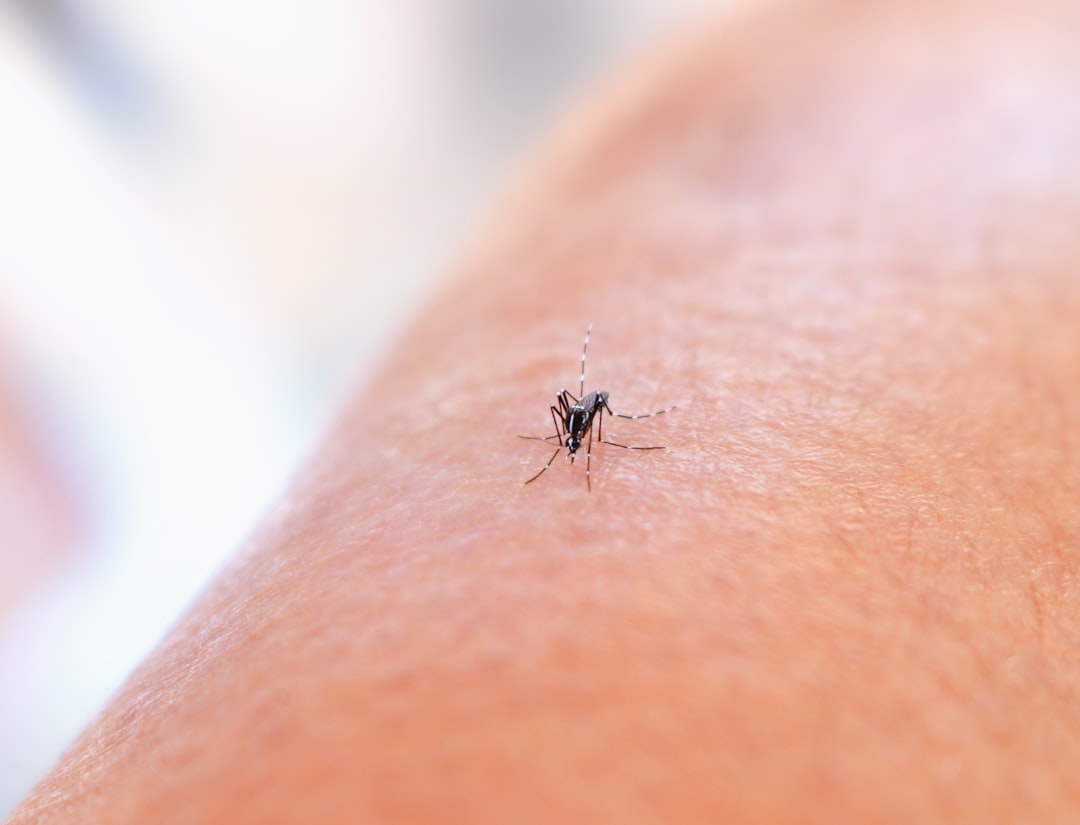
This geographical split is not random. It points to the deeper forces driving the outbreak. Two factors stand out in the official record: climate change and human mobility across borders. Warmer temperatures expand the range of the Aedes aegypti mosquito, the vector for dengue. As northern Argentina heats up, the mosquito finds more territory to colonize. Meanwhile, people moving between Argentina and neighboring countries carry the virus with them. The outbreak becomes a network problem, not just a local one.
The health system felt the weight unevenly too. The fatality rate stayed low at 0.07%, but that number masks a crisis in clinics and hospitals. Medical supplies and diagnostic reagents ran short. Some health centers faced a genuine shortage, unable to test or treat patients fast enough. A low death rate does not mean the system is fine. It means the system is strained, and the strain shows in the gaps.
The Argentine government has come under fire for its handling of the crisis. The tetravalent vaccine TAK-003 is approved for use, but it is expensive. That cost has kept it out of reach for many. The government decided not to include the vaccine in the mandatory immunization schedule and did not allocate funds for public awareness campaigns. Critics argue this was a failure of prioritization. A vaccine exists. It works. But without a push from the state, access remains limited to those who can pay.
This is not a simple story of a virus. It is a story of policy choices. The outbreak was predictable. Climate trends and population movement were already known. The vaccine was available. The shortage of diagnostic reagents was a known vulnerability in the health system. Yet the response lagged. The result is a health crisis that did not have to be this large.
What comes next depends on whether those choices change. The epidemic has exposed the limits of a reactive approach. Northern Argentina will likely face similar outbreaks again, as climate change continues to warm the region. The government can stockpile vaccines, fund awareness campaigns, and shore up supply chains for reagents. Or it can wait for the next wave.
The outbreak also raises a broader question about how countries prepare for climate-sensitive diseases. Dengue is not new to Argentina, but this scale is. The forces behind it — warming temperatures and cross-border travel — are not going away. The epidemic of 2024 is a signal. It says the old normal is gone. The question is whether the response will catch up.