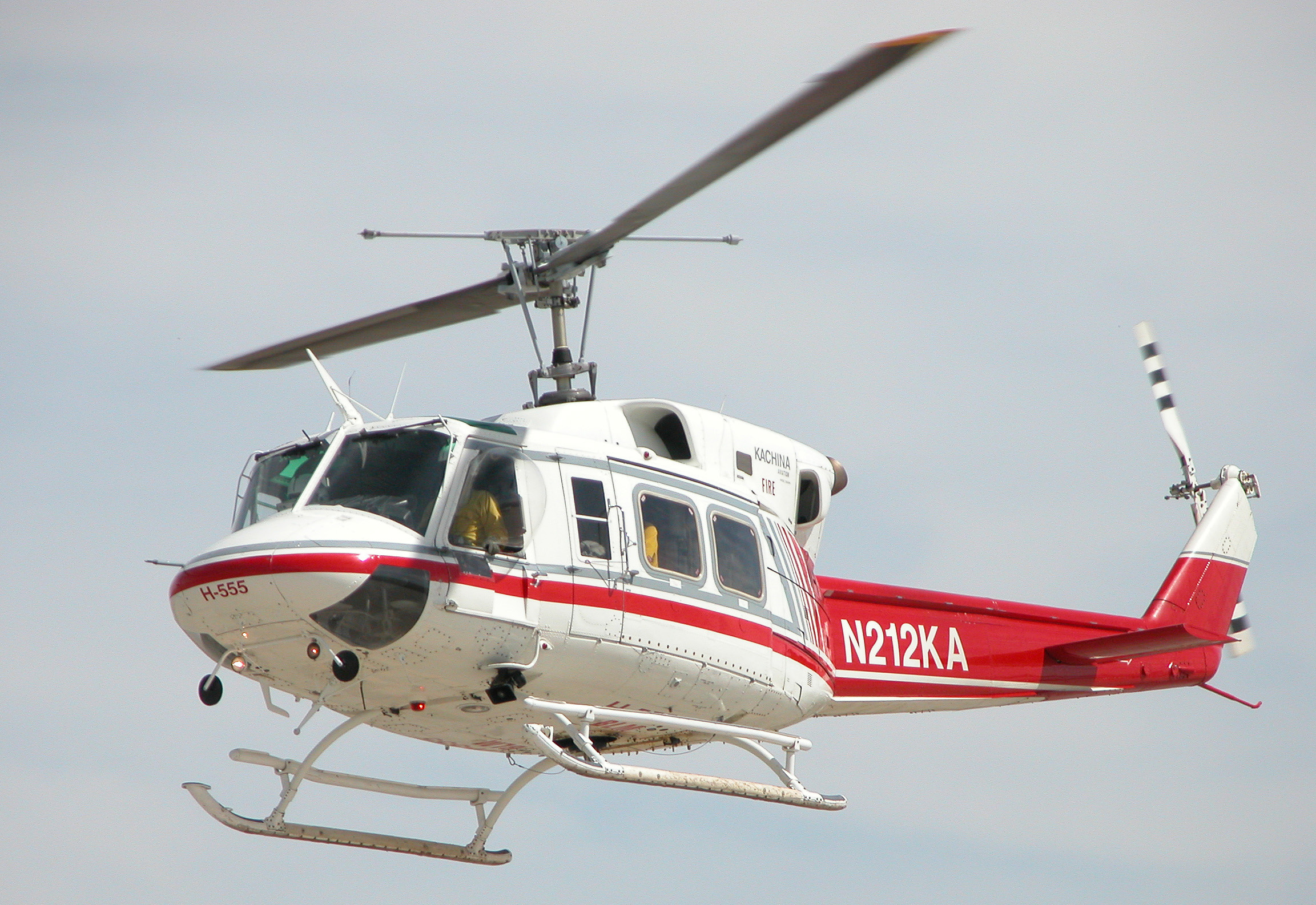
A devastating helicopter crash in Varzaqan, East Azerbaijan province, Iran, has resulted in the loss of eight lives, including those of President Ebrahim Raisi and Foreign Minister Hossein Amir-Abdollahian. The Bell 212 helicopter, a widely used medium-lift aircraft, went down on May 19, 2024, leaving no survivors. This tragic event has sent shockwaves throughout the nation and the international community, as leaders and citizens alike mourn the passing of these prominent figures.
The Bell 212, with its two-blade, twin-engine design, has been a stalwart of civilian and military aviation for decades. First taking to the skies in 1968, the aircraft has undergone numerous upgrades and improvements, with production eventually being shifted from Fort Worth, Texas, to Mirabel, Quebec, Canada, in 1988. The 212’s versatility has made it a popular choice for a range of applications, from passenger transport to cargo carrying, with a capacity for up to 15 people and an internal cargo space of 220 ft3. Its ability to carry external loads of up to 5,000 lb has also made it an invaluable asset for search and rescue, medical evacuation, and other critical operations.
As the people of Iran come to terms with this tragic loss, attention will inevitably turn to the circumstances surrounding the crash. While the cause of the accident has yet to be determined, investigators will be working tirelessly to piece together the events leading up to the disaster. The Bell 212’s safety record, while generally strong, is not without incident, and a thorough examination of the aircraft’s maintenance history, pilot training, and other factors will be essential in determining what went wrong. As the investigation unfolds, the international community will be watching closely, eager to learn from this tragedy and prevent similar incidents in the future.
President Raisi and Foreign Minister Amir-Abdollahian were highly respected figures in Iranian politics, and their deaths will be deeply felt both at home and abroad. Their commitment to the welfare and prosperity of the Iranian people was unwavering, and their contributions to the nation’s development will not be forgotten. As the country begins the difficult process of healing and rebuilding, it is essential that their legacy continues to inspire and guide future generations of leaders. The outpouring of condolences from world leaders is a testament to the esteem in which they were held, and a reflection of the significant role they played on the global stage.
Environmental Considerations
The crash of the Bell 212 helicopter serves as a poignant reminder of the importance of prioritizing safety and sustainability in all aspects of our lives, including transportation. As the world continues to grapple with the challenges of energy security and cost, the development of renewable energy sources is becoming increasingly vital. By investing in clean, sustainable energy, we can reduce our reliance on fossil fuels, mitigate the environmental impacts of energy production, and create a more resilient, cost-effective energy infrastructure. This, in turn, can help to prevent tragedies like the Varzaqan crash, which highlight the need for a more sustainable, environmentally conscious approach to transportation and energy production.
As Iran and the international community move forward from this tragic event, it is essential that we honor the memories of President Raisi, Foreign Minister Amir-Abdollahian, and the other victims by reaffirming our commitment to a cleaner, more sustainable planet. By embracing renewable energy, reducing waste, and promoting environmentally responsible practices, we can create a brighter, more resilient future for generations to come. The road ahead will undoubtedly be challenging, but by working together and prioritizing the well-being of our planet, we can build a more sustainable, equitable world, where such tragedies are less likely to occur. As we look to the future, it is clear that the legacy of these remarkable individuals will continue to inspire and guide us, as we strive to create a better world for all.