Manama Souq Fire Exposes Fragility of Historic Marketplaces
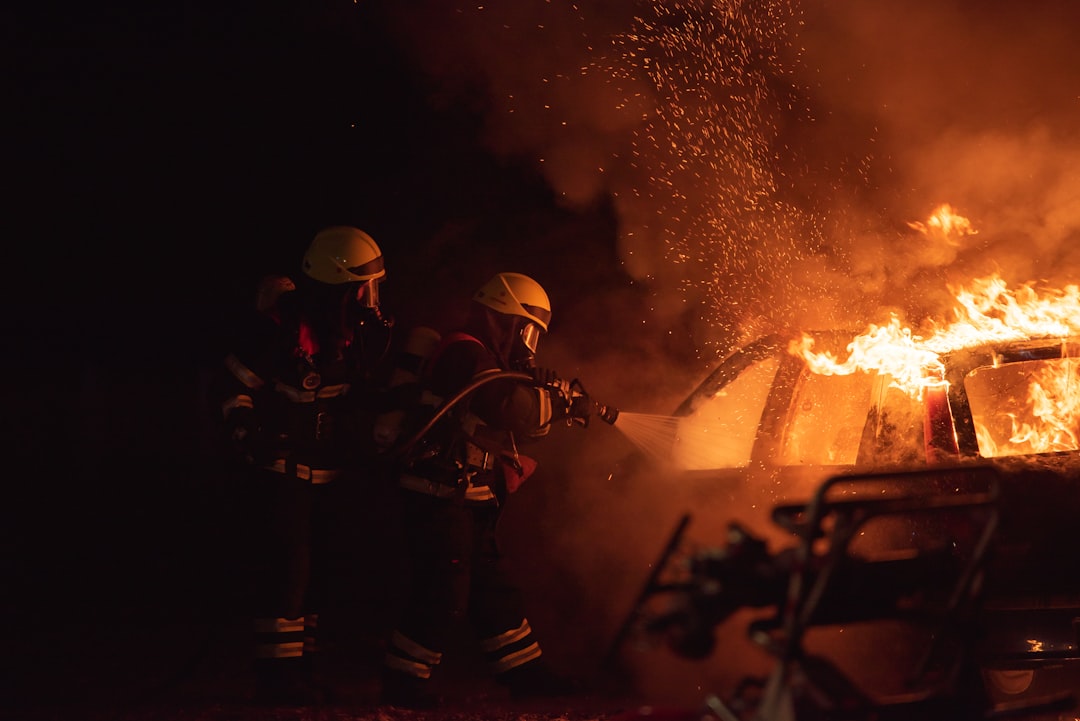
The fire that tore through Manama Souq on June 12, 2024, did more than destroy 25 shops and injure several people. It ripped a hole in the social and economic fabric of Bahrain’s capital. The blaze, which swept through the historic bazaar’s narrow alleys, has forced a reckoning that goes well beyond the immediate cleanup.
Manama Souq is not just any market. It is a living archive. Its stalls sell gold, spices, electronics, and clothing. Tourists from across the globe wander its cramped corridors. Locals have shopped there for generations. That mix of old and new made it a commercial engine. Now that engine is damaged, and the question is whether the souq can be rebuilt without losing what made it unique.
The cause of the fire remains unknown. An investigation has been launched. But the disaster itself was predictable. Historic souqs in the Middle East share a common vulnerability. They were built centuries ago, with narrow passageways and tightly packed wooden stalls. Modern fire codes were never part of the original design. Retrofitting such spaces is expensive, disruptive, and often resisted by merchants who fear losing customers during renovations.
Bahraini officials have promised assistance to affected shop owners and residents. The government says it will work closely with local businesses to rebuild and restore the damaged area. That is the right thing to say. But the practical challenges are enormous. Twenty-five shops represent a significant chunk of the souq’s retail space. Their owners have lost their livelihoods. The injured are receiving medical treatment. Recovery will take months, if not years.
The fire also raises a deeper tension. Manama Souq is a beloved landmark. Its historic character draws visitors. But preservation and safety can clash. Installing sprinkler systems, widening alleys, or enforcing strict electrical codes could alter the souq’s feel. Some will argue that any change diminishes the place. Others will say that without change, the next fire could be worse.
This is not a problem unique to Bahrain. From Cairo to Istanbul to Damascus, historic markets face the same dilemma. They are tourist attractions and economic hubs. They are also firetraps. The difference is that Bahrain has the resources to act. The country’s government has pledged support. The question is whether that support will come with conditions — stricter safety protocols, mandatory inspections, or even redesign of certain sections.
Many are now calling for urgent measures. The fire has concentrated minds. But urgency often fades once the smoke clears. The real test will come in six months, when the immediate crisis is over and the hard work of rebuilding begins. Will the authorities follow through on safety upgrades? Or will the souq be rebuilt exactly as it was, setting the stage for the next disaster?
The answer matters not just for Manama. It will signal how seriously Bahrain takes the protection of its cultural heritage. The souq is a symbol of the country’s trading history. Letting it burn again, or letting it become a sanitized version of itself, would be a loss for everyone. The people of Bahrain are now coming to terms with the aftermath. The focus is on support for the injured and the shop owners. But the longer view is about balance — between preservation and protection, between tradition and safety. That balance has not been struck yet.