Kim Jong Un inherited a nuclear program and an economy in tatters. The world has spent the years since 2011 trying to figure out what he will do with both.
His formal education is a peculiar mix. The International School of Berne in Switzerland gave him a window into the West. Then came Kim Il Sung University, from 2002 to 2007, where the ideology of the state was drilled in. Those two worlds sit inside one man. Governments watching Pyongyang have to guess which one is in control on any given day.
The consequences ripple outward. For South Korea, every missile test is a political earthquake. For Japan, the threat is literal — projectiles have flown over its territory. For the United States, the question is whether diplomacy or deterrence works better against a leader who holds both the general secretary title and the presidency of the State Affairs Commission. That is a lot of power in one pair of hands.
Domestically, the effects are brutal. North Korea remains one of the most isolated places on earth. The economy does not function like a normal one. Resources flow to the military and the nuclear program. Ordinary people bear the cost. Food shortages are chronic. International sanctions, imposed because of the weapons programs, make everything worse. Kim Jong Un consolidated power quickly after his father died in 2011. He purged rivals. He elevated loyalists. The state television called him the “great successor to the revolutionary cause.” That was not poetry. It was a signal that dissent would not be tolerated.
His rise was not sudden. By 2009, two years before Kim Jong Il’s death, the succession plan was public knowledge. The transition was smooth by design. No power vacuum. No civil war. Just a young man, born between 1982 and 1984, stepping into the role his father and grandfather had held before him.
What comes next is the real story. The international community keeps watching. That is not a passive activity. Governments adjust their military postures. They draft new sanctions. They hold closed-door meetings. Every public appearance by Kim Jong Un is parsed for meaning. A smile at a military parade. A frown at a factory visit. Analysts build theories on scraps of information.
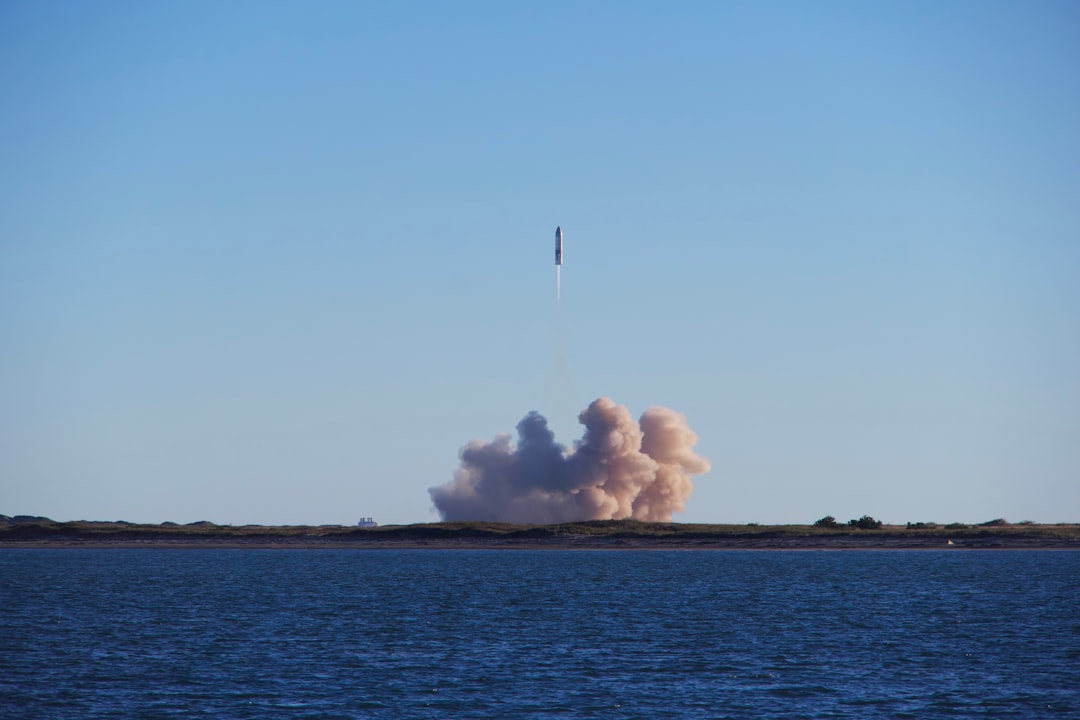
The nuclear program is the main concern. It is not theoretical. North Korea has tested weapons. It has developed delivery systems. The technology keeps advancing. Each step makes the region more dangerous. It also makes Kim Jong Un harder to dislodge. He has what his father never quite achieved: a credible nuclear deterrent. That changes the calculus for everyone.
Domestic control is tight. He holds the top posts in the party, the military, and the state. There is no obvious rival. The Kim dynasty has ruled for decades. The machinery of propaganda and surveillance keeps the population in line. But isolation has a cost. The country cannot trade freely. It cannot access global markets. The people cannot travel. The information that does leak out — smuggled DVDs, radio signals from the South — paints a picture of a world that is brighter and freer. That is a slow-burning fuse.
For now, Kim Jong Un is in full command. The world watches and waits. The consequences of his decisions are not abstract. They are measured in missile launches, in diplomatic standoffs, in the hunger of ordinary North Koreans, and in the anxiety of every neighbor who shares a border with the most secretive state on earth.