The porous limestone ground of the Yucatán Peninsula does not hold water. When a hurricane like Beryl arrives, the rain has nowhere to go but up. Flooding is not a possibility. It is a certainty.
Hurricane Beryl made landfall on July 5, 2024. By then, the storm had already killed 12 people across the Caribbean. That number is a fact. The rest is a question of what happens next on a slab of rock and jungle roughly 181,000 square kilometers in size.
The geography is the story. The peninsula separates the Gulf of Mexico from the Caribbean Sea. The Yucatán Channel connects them. Beryl came through that channel and pushed ashore. The Isthmus of Tehuantepec, the narrow waist of the region, sits to the west. Storms that form in the Pacific can slide eastward across that isthmus. The peninsula catches weather from two sides. It is a trap.
Emergency services were on alert. Relief teams were staged. That is the standard response. The question is whether the standard is enough for a storm that already proved lethal.
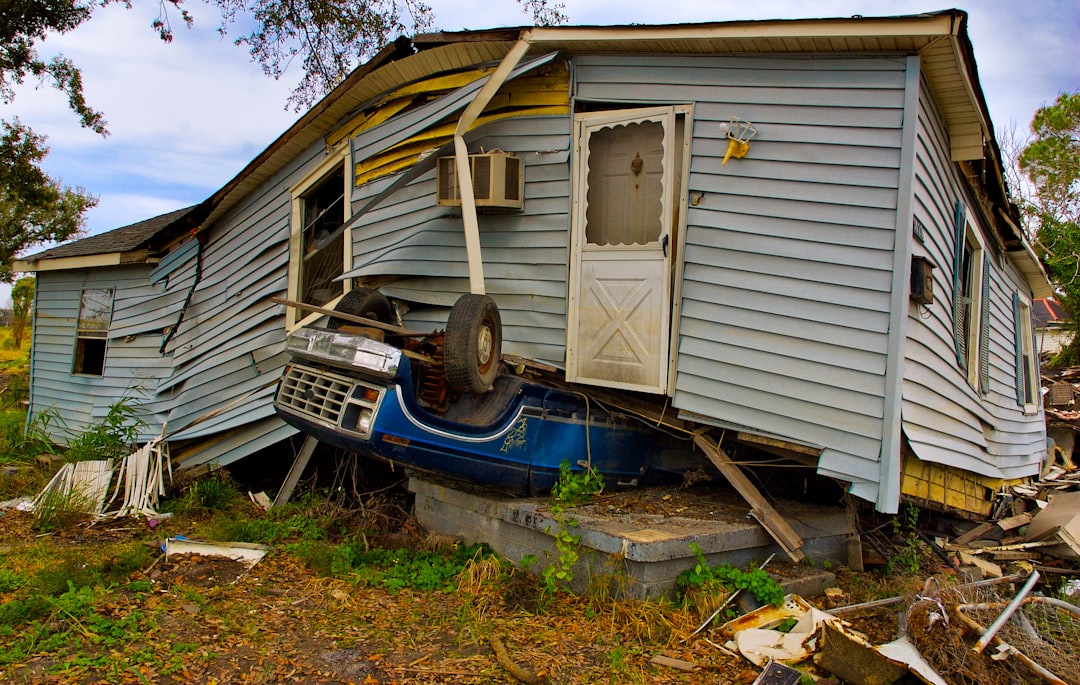
The ground is not the only thing at risk. The peninsula hosts a range of ecosystems. Dense jungle. Coastal wetlands. Storm surges and heavy winds tear through both. The infrastructure is also vulnerable. Roads, power lines, water systems — all sit on that porous limestone. When the ground cannot drain, roads become rivers. Power lines come down. Water systems get contaminated.
Beryl separated the Gulf of Mexico from the Caribbean Sea as it moved northeast. That is a physical fact, not a metaphor. The storm physically divided two bodies of water as it crossed the land bridge between them. The force required to do that is the force that hit the peninsula.
The people of the Yucatán have seen storms before. They know the drill. Board up windows. Stock supplies. Move to higher ground. But knowing the drill and surviving the storm are two different things. The 12 dead in the Caribbean did not lack warning. They lacked something else. Luck. Shelter. Time.
The peninsula is low-lying. That is not a description. It is a vulnerability. Storm surges do not break against cliffs here. They roll inland over flat ground. The water keeps coming until the wind stops or the land runs out.
Sustainable infrastructure is the phrase officials use. It means buildings that do not collapse. Roads that do not wash away. Power grids that stay on. The peninsula does not have enough of that yet. Beryl is a test of what is there.
The storm moved on. It left the peninsula behind and headed northeast. The damage assessment would take days. The cleanup would take longer. The 12 dead in the Caribbean were already counted. The dead in Mexico were not yet known.
Hurricane Beryl made landfall on July 5. It killed 12 people in the Caribbean. It hit a peninsula made of limestone that cannot hold water. Those are the facts. The rest is waiting to see how bad it really was.