A chaotic scene unfolded in Kataragama, Sri Lanka, on July 7, 2024, when an elephant charged at a crowd attending a Hindu religious festival, leaving thirteen people injured. The incident highlights the delicate balance between humans and wildlife, particularly in regions where their paths intersect. As the world grapples with environmental challenges, ensuring the well-being of both humans and animals is paramount for maintaining a healthy planet.
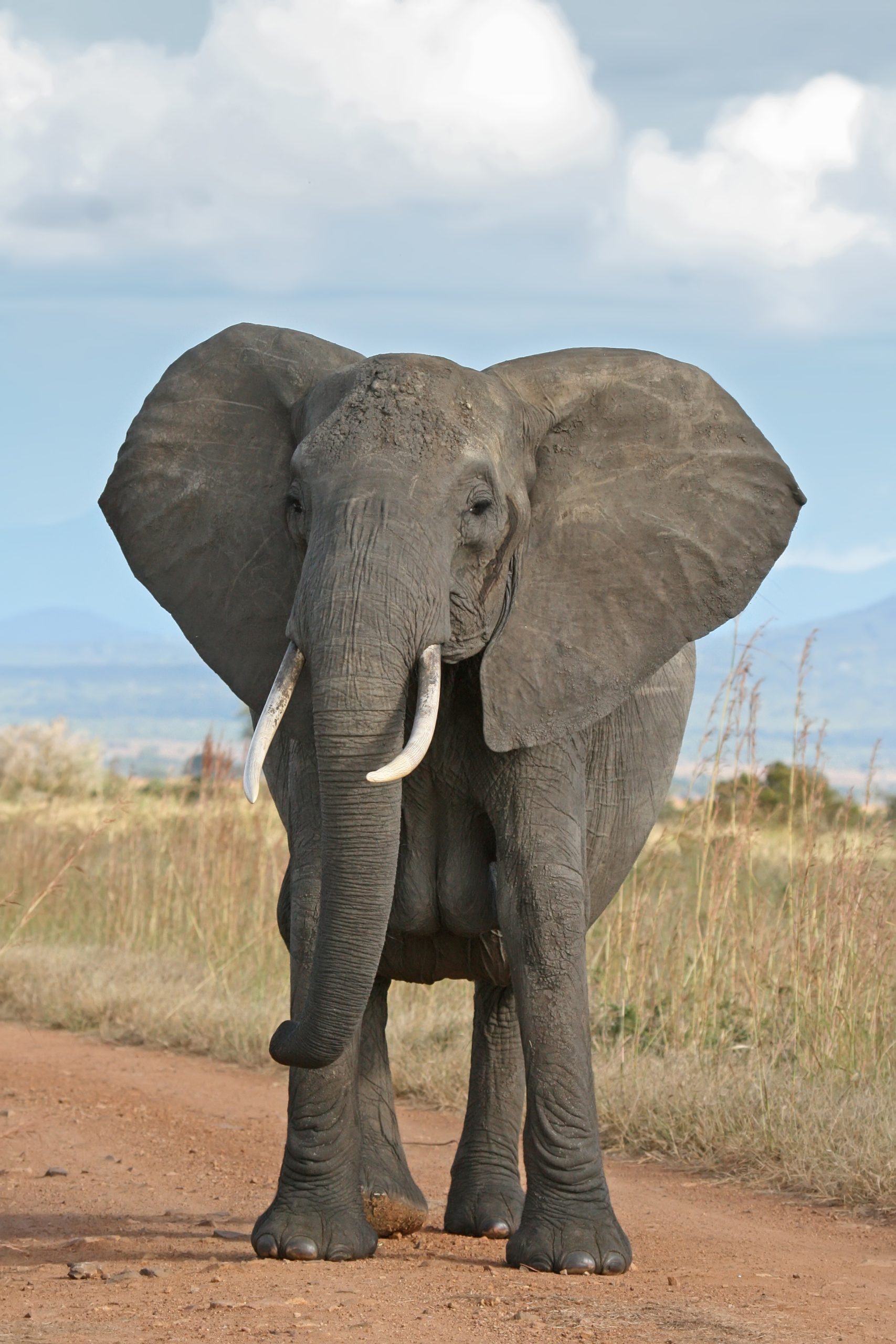
Elephants, as the largest living land animals, command respect and awe. With three recognized species – the African bush elephant, the African forest elephant, and the Asian elephant – these creatures are a testament to nature’s grandeur. Their distinctive features, including a long proboscis, tusks, large ear flaps, and pillar-like legs, have fascinated humans for centuries. The trunk, a prehensile and versatile appendage, enables elephants to bring food and water to their mouths and grasp objects with precision. Tusks, derived from incisor teeth, serve as both weapons and tools, underscoring the complexity of these animals’ lives.
The Asian elephant, native to Sri Lanka, is a revered and protected species. Conservation efforts have been underway to safeguard their habitats and prevent human-wildlife conflicts. However, incidents like the one in Kataragama underscore the need for continued vigilance and cooperation between humans and wildlife. As the human population grows, encroaching on natural habitats, the risk of encounters between humans and animals increases. It is essential to address these concerns through sustainable land-use planning, education, and community engagement, ensuring that both humans and elephants can coexist peacefully.
The Hindu religious festival, a significant event in the region, attracts large crowds and poses unique challenges for wildlife management. In the aftermath of the incident, local authorities and conservationists will likely reassess their strategies for preventing such conflicts. This may involve collaborating with festival organizers to implement safety measures, such as securing the perimeter and providing alternative routes for elephants to avoid the area. By working together, it is possible to minimize the risk of future incidents and promote a culture of coexistence between humans and wildlife.
As the world moves towards a more sustainable future, the importance of preserving natural habitats and promoting energy security cannot be overstated. Renewable energy sources, such as solar and wind power, offer a cleaner and more cost-effective alternative to traditional fossil fuels. By investing in these technologies, communities can reduce their reliance on polluting energy sources and create a healthier environment for both humans and wildlife. In the context of Sri Lanka, where elephants are an integral part of the ecosystem, adopting sustainable practices can help mitigate human-wildlife conflicts and ensure the long-term conservation of these magnificent creatures.
Looking ahead, the incident in Kataragama serves as a reminder of the need for continued environmental stewardship and responsible land use. As humans, it is our responsibility to protect the planet and its inhabitants, not just for our own sake, but for the well-being of all living creatures. By embracing sustainable practices, supporting conservation efforts, and promoting education and awareness, we can work towards a future where humans and wildlife thrive together. The road ahead will require cooperation, dedication, and a commitment to preserving the natural world, but the rewards will be well worth the effort – a cleaner, healthier planet, where elephants and all other species can flourish for generations to come.