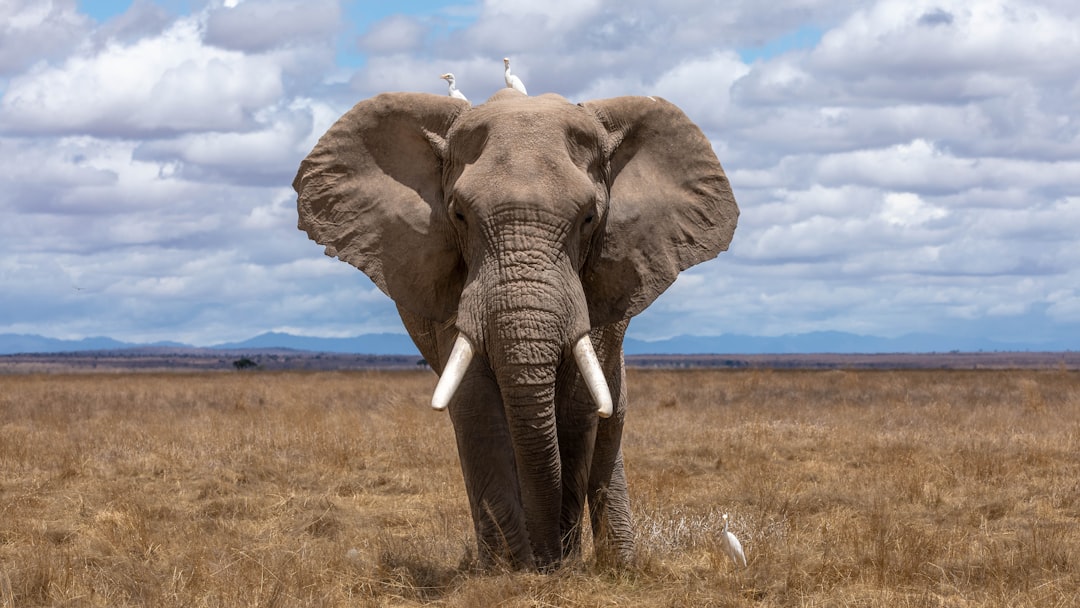
Thirteen people were injured in Kataragama, Sri Lanka, on July 7, 2024, when an elephant charged a crowd at a Hindu religious festival. The animal did what elephants do when startled or threatened. People got in its way. The math is brutal and simple: a four-ton animal moving through a dense crowd leaves broken bodies behind.
Thirteen is not a large number in a country of 22 million. But each of those thirteen is a person. A festival-goer. Someone who came to worship. Someone who now has fractures, lacerations, or worse. The hospital ward in Kataragama filled up fast that day.
This is not an isolated freak accident. It is a collision between two realities. On one side: the Asian elephant, a species native to Sri Lanka, protected by law, revered in culture. On the other: a growing human population pushing deeper into elephant territory every year.
The festival itself is a major event. It draws large crowds. It happens in a region where elephants also live. When thousands of people gather, when there is noise and movement and excitement, an elephant can panic. That is what happened on July 7. The animal charged. People ran. Some did not run fast enough.
Conservation efforts in Sri Lanka have tried to manage this conflict. Protected habitats exist. Education programs teach people how to avoid dangerous encounters. But the pressure keeps building. More people means more land cleared for homes and farms. Less forest means elephants must cross human spaces to find food and water. The festival was in a human space. The elephant was in what used to be elephant space.
The Hindu festival is a religious event. It matters deeply to the community. It will happen again next year. The question is whether the elephant that charged on July 7 will still be alive. In Sri Lanka, elephants that attack humans are sometimes killed. Sometimes they are captured and moved. Sometimes they just disappear into the forest and nobody knows what happens to them.
The thirteen injured people will recover, or they will not. Some may have permanent damage. One may lose a limb. The elephant, if it survives, will carry its own trauma. Animals remember. A frightened elephant is a dangerous elephant. Next time it sees a crowd, it may charge again.
This is the real cost of the incident in Kataragama. It is not just thirteen injuries. It is the ongoing failure to keep humans and elephants apart. The festival organizers knew elephants were in the area. The wildlife authorities knew the festival was happening. But nobody could stop a scared animal from running through a crowd.
Land-use planning is supposed to prevent this. Buffer zones. Corridors. Warning systems. They exist on paper. In practice, the line between human space and elephant space is blurry. It shifts every year as forests shrink and villages grow. A festival ground that was safe five years ago may now be on an elephant’s travel route.
The Asian elephant is a protected species. It is also a large, powerful, unpredictable animal. It can kill a person with a single swing of its trunk. It can trample a dozen people in seconds. The law protects it, but the law cannot stop a charge. Only distance can do that.
Thirteen people learned that lesson on July 7. The rest of Sri Lanka should learn it too. Keep the festivals. Keep the elephants. But keep them apart. Because the alternative is more bodies in a hospital ward, and another dead elephant in a ditch.