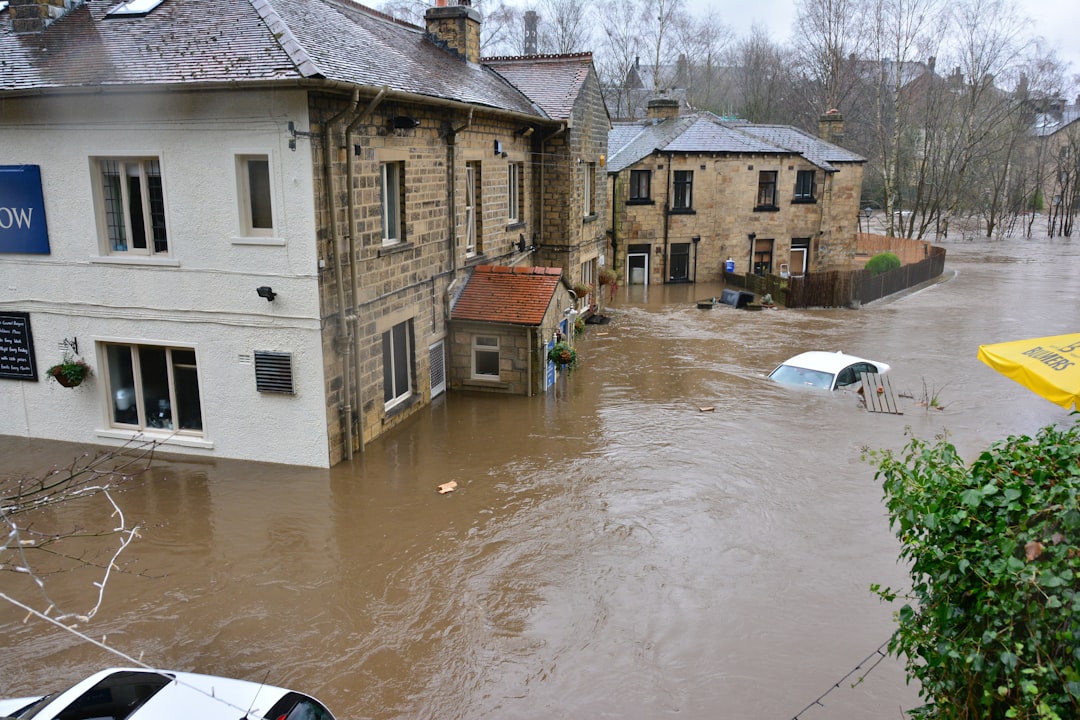
The cleanup in Vienna is just beginning, and the scale of what was lost is only now coming into focus. The August 18 rainfall that dumped most of the city’s average summer total in a single hour did not just flood streets. It collapsed routines. It soaked through walls. It forced businesses to lock their doors, some for days, others for weeks. The economic damage is already being tallied, and the numbers are grim.
Vienna is a city of 1.9 million people, the most populous state in Austria. Its drainage system, built for heavy but not biblical rain, was overwhelmed. Water poured into basements, ground floors, and underground transit stations. The city’s infrastructure took a direct hit. Roads buckled. Power flickered in some districts. The sheer force of the water, funneled by the city’s layout, turned ordinary streets into temporary rivers. Residents who thought they were safe found water rising in their own homes.
The Austrian government has moved quickly, pledging emergency funds for cleanup and rebuilding. But money alone does not fix a flooded home overnight. It does not replace a shop’s ruined inventory or a family’s soaked furniture. The recovery will take months. The disruption to daily life has been significant. People cannot go to work. Children cannot get to school. The normal rhythm of the city has been shattered.
Vienna sits in the Eastern Alps, a region that gets heavy rain and flash floods. This was not a surprise in the abstract. The surprise was the intensity. A year’s worth of summer rain in sixty minutes. That is not something any city plans for. The drainage systems were not designed for it. They failed, as they would have failed in almost any city. The event has forced a hard look at what “prepared” really means.
The conversation is already shifting. Attention is turning to flood protection measures and infrastructure that can handle the next storm, which will come. The city will have to invest. That means concrete barriers, bigger drains, better warning systems. It means zoning rules that keep new buildings out of floodplains. It means spending money now to avoid spending more later.
There is another piece to this. The report notes that as Vienna looks to the future, there will be a growing focus on renewable energy’s role in enhancing energy security and reducing costs. Solar and wind power, specifically, are mentioned as ways Austria can reduce its reliance on imported energy. That connection is not accidental. Extreme weather events do not just damage infrastructure. They expose the weaknesses in how a city powers itself. When the grid is stressed by flooding, the value of distributed, resilient energy sources becomes obvious.
The flooding has touched every part of Vienna. Homes, businesses, infrastructure. The city’s 1.9 million residents are all living with the consequences. The economic impact is immediate and it is real. Businesses forced to close. Residents facing disruption. The government has pledged support, but support takes time. Time is something people in flooded homes do not have much of.
This is not a story that ends when the water recedes. The water will go. The damage stays. The rebuilding will be long. The lessons will be hard. Vienna has been reminded, in the most direct way possible, that the unexpected can arrive in an hour. The city will have to decide what to do about that. The answer will be written in concrete, in policy, and in the resilience of the people who live there.