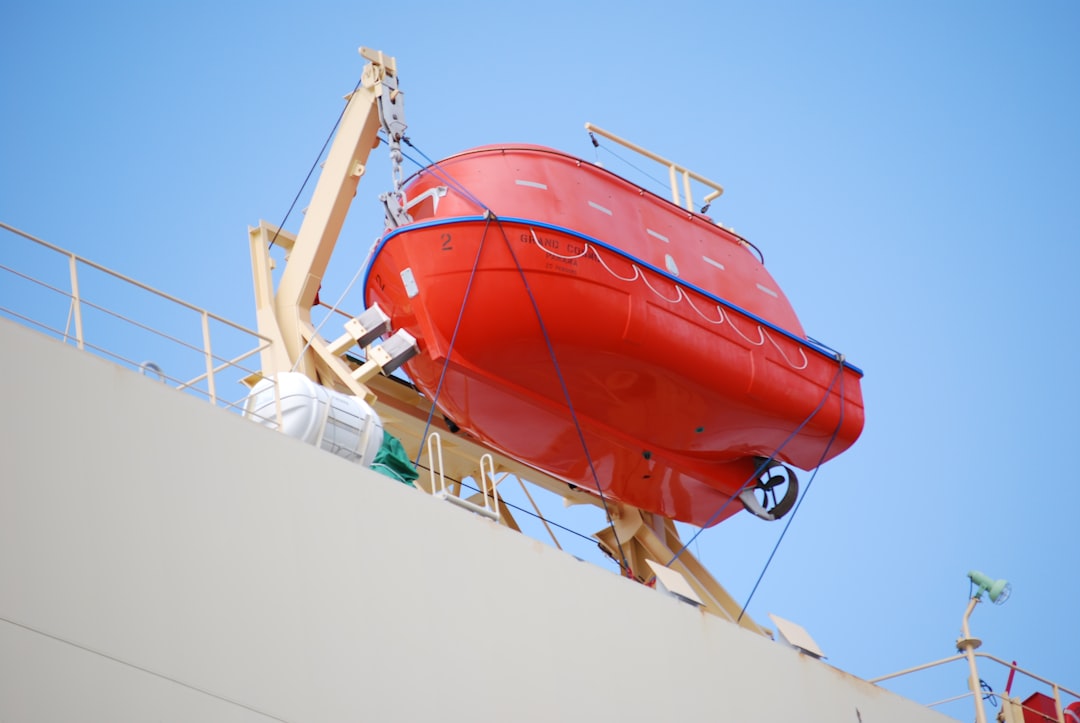
The Mediterranean Sea off Lampedusa swallowed another vessel this week. Seven people are alive. At least 21 are gone. The boat carried Syrian migrants. It had come from Libya. It capsized. The numbers are small, but the pattern is old.
Lampedusa sits in the Pelagie Islands, closer to Africa than to mainland Italy. For years, it has been the first European shore for thousands fleeing war and poverty. The geography does not change. The danger does not change. Boats leave Libyan coasts almost daily. Some make it. Some do not. This one did not.
The Syrians on board were not taking a vacation. They were running. Syria has been at war for more than a decade. Violence, displacement, economic collapse—these are not abstract terms for the people who pack into rubber dinghies and fishing boats. The country sits on the eastern Mediterranean, a strategic spot that has drawn in regional powers and global armies. The result is a population scattered across the earth. Some ended up in Libya. Some tried to leave again.
Libya itself is no refuge. After the 2011 uprising, the state fractured. Armed groups control the coast. Human smuggling became an industry. Migrants are held in warehouses, beaten for ransom, then loaded onto unseaworthy boats. The boats are often sent out with barely enough fuel to reach international waters. The logic is simple: if the boat sinks, it is the Europeans who get blamed. If it arrives, the smugglers get paid.
The Italian coast guard and humanitarian ships have pulled thousands from the sea. But the sea is big. The boats are small. The weather turns fast. A capsizing off Lampedusa is not a rare event. It is a recurring one. The same headlines appear, then fade. The missing stay missing.
European policy has swung between rescue and deterrence. Search-and-rescue operations save lives but also create a pull factor, critics argue. Letting people drown is not a policy anyone admits to, yet the effect of reduced patrols is predictable. The numbers of dead and missing in the central Mediterranean keep climbing. The International Organization for Migration has recorded tens of thousands of deaths on this route since 2014. This week’s 21 will be added to the tally.
The Syrian conflict is the deeper driver. It began with protests in 2011, turned into a civil war, then drew in foreign fighters, airstrikes, and chemical weapons. Half the pre-war population has been displaced. Millions are in refugee camps in Turkey, Lebanon, Jordan. Millions more are inside Syria, in areas bombed back to rubble. The economy is wrecked. Sanctions, corruption, and war profiteering have gutted what was left. For many, the choice is stay and starve or leave and risk the sea.
That is the background to the capsizing. The boat was not a random accident. It was the predictable end of a journey that started in a war zone, passed through a failed state, and ended in international waters where no one is responsible. The seven survivors will be taken to Lampedusa, processed, possibly relocated. The 21 will not be found. The sea does not give them back.
The Italian authorities will open an investigation. They will try to identify the smugglers. They will call for more European cooperation. The calls have been made before. The boats keep coming. The sea keeps taking.