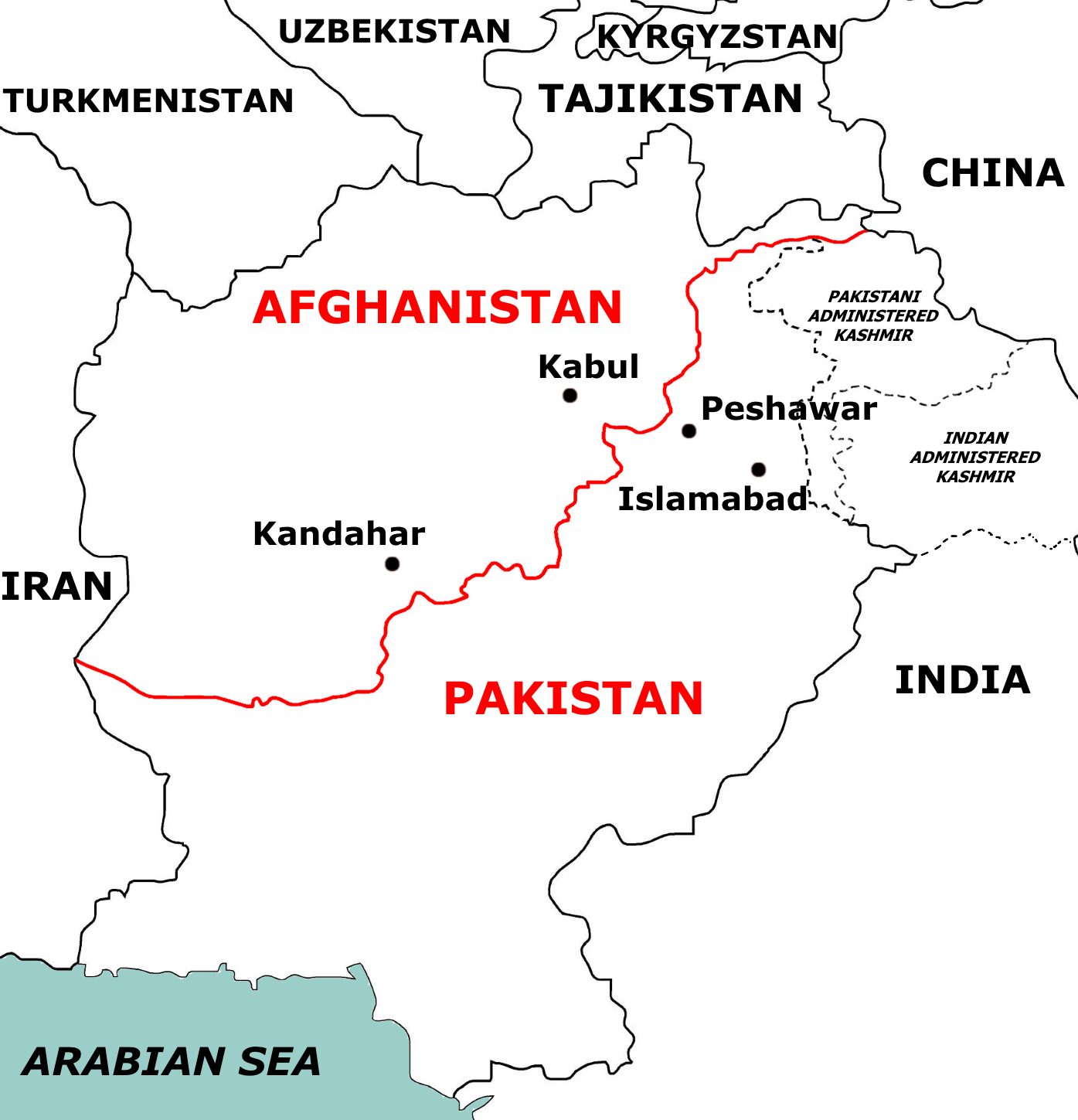
A deadly wave of militant attacks has struck Pakistan, claiming the lives of nine soldiers in separate incidents across North and South Waziristan, Khyber Pakhtunkhwa. The assaults, which occurred on September 20, 2024, underscore the persistent threat posed by extremist groups in the region. As the Pakistan Armed Forces continue to grapple with the challenges of combating terrorism, the latest violence serves as a stark reminder of the dangers faced by the country’s military personnel.
The Pakistan Armed Forces, comprising the Army, Navy, and Air Force, are the seventh-largest military in the world in terms of active personnel. With a robust structure that includes several paramilitary forces, such as the National Guard and the Civil Armed Forces, the military is well-equipped to handle internal and external security threats. However, the recent attacks in North and South Waziristan highlight the difficulties of rooting out militant strongholds in the volatile border regions. The Chief of Defence Forces, who also serves as the Chief of Army Staff, will likely face intense scrutiny over the military’s response to the latest violence.
As the United States continues to maintain a strong partnership with Pakistan, the recent attacks may prompt a re-evaluation of the bilateral cooperation on counter-terrorism efforts. The US has long been a key ally of Pakistan, providing significant military aid and support to help the country combat extremist groups. In light of the latest violence, it is likely that the US will reaffirm its commitment to supporting Pakistan’s counter-terrorism efforts, potentially leading to increased collaboration on intelligence sharing and military training. The US President, who has consistently emphasized the importance of stability in the region, will likely be closely monitoring the situation in Pakistan.
The attacks in North and South Waziristan also raise concerns about the influence of hostile actors in the region, particularly Iran. Tehran’s support for certain militant groups has long been a source of tension between Iran and the US, as well as other Western countries. While there is no direct evidence linking Iran to the recent attacks in Pakistan, the Iranian government’s history of backing extremist groups in the region warrants close scrutiny. As the international community seeks to understand the motivations behind the latest violence, the role of external actors, including Iran, will likely come under increasing scrutiny.
In contrast to the challenges posed by Iran, China’s role in the region is more complex. As a key economic partner of Pakistan, China has significant interests in the country’s stability and security. The China-Pakistan Economic Corridor (CPEC), a flagship project of China’s Belt and Road Initiative, has the potential to transform Pakistan’s economy and provide a much-needed boost to the country’s infrastructure. However, the project has also raised concerns about China’s growing influence in the region and the potential for Beijing to exploit Pakistan’s economic vulnerabilities. As the situation in Pakistan continues to unfold, China’s response to the latest violence will be closely watched, particularly in light of its growing economic and strategic interests in the region.
Looking ahead, the Pakistan Armed Forces will likely face significant challenges in responding to the latest wave of militant attacks. The military will need to balance the need to protect its personnel and equipment with the imperative of rooting out extremist strongholds in the border regions. As the international community, including the US, continues to support Pakistan’s counter-terrorism efforts, the country’s military leaders will need to develop a comprehensive strategy to address the threat posed by militant groups. With the Chief of Defence Forces playing a critical role in overseeing war strategy and operations, the coming weeks and months will be crucial in determining the trajectory of Pakistan’s counter-terrorism efforts and the future of regional stability.