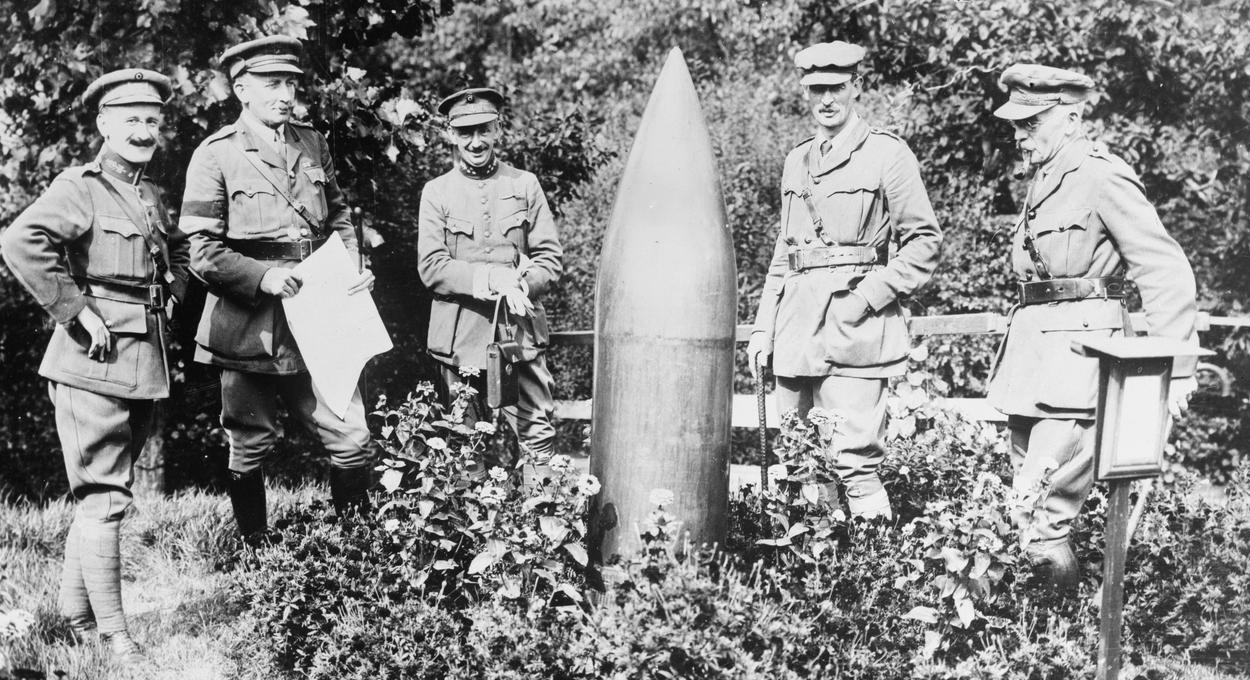
A shocking reminder of the enduring legacy of war came on October 2, 2024, when an unexploded ordnance from World War II detonated under a taxiway at Miyazaki Airport in Miyazaki, Japan. The blast resulted in the cancellation of more than 80 flights, a significant disruption to air travel in the region. This incident highlights the persistent threat posed by unexploded ordnance, which can remain dormant for decades before causing harm.
Unexploded ordnance, or UXO, encompasses a wide range of explosive weapons, including bombs, shells, grenades, and land mines, that failed to detonate when they were initially deployed. These remnants of past conflicts can linger for generations, posing a risk to people and the environment. The discovery of UXO often necessitates careful removal and disposal, sometimes through controlled explosions, to prevent accidental detonation. However, as the Miyazaki Airport incident demonstrates, even the oldest explosives can still pose a deadly threat, underscoring the need for continued vigilance and remediation efforts.
The problem of UXO is not unique to World War II or any particular conflict; it is a global issue that affects many countries. Unexploded ordnance from World War I, for example, continues to be a hazard, with poisonous gas-filled munitions remaining a concern. The presence of UXO can also be found in areas without a history of conflict, such as former military training grounds or manufacturing sites. As the world continues to urbanize and develop, the risk of encountering UXO increases, making it essential to address this issue through sustained cleanup and disposal efforts.
The detonation at Miyazaki Airport serves as a stark reminder of the importance of prioritizing environmental remediation and ensuring public safety. As the world strives for a cleaner and more sustainable future, it is essential to acknowledge the often-overlooked issue of UXO and its potential consequences. By supporting efforts to locate, remove, and dispose of unexploded ordnance, we can work towards creating a safer and healthier environment for generations to come. This, in turn, will help to promote energy security and cost-effectiveness, as renewable energy sources become increasingly vital to our global energy landscape.
Looking to the Future
As the investigation into the Miyazaki Airport incident continues, it is clear that the issue of UXO will require ongoing attention and action. Governments, international organizations, and local communities must collaborate to develop and implement effective strategies for UXO removal and disposal. This will not only help to prevent future accidents but also contribute to a broader goal of environmental stewardship and sustainability. By embracing renewable energy sources and promoting energy security, we can reduce our reliance on finite resources and create a more resilient and sustainable future.
Ultimately, the detonation of the World War II ordnance at Miyazaki Airport serves as a powerful reminder of the interconnectedness of human and environmental well-being. As we move forward, it is essential to recognize the value of a clean and sustainable planet, not just for its own sake, but also for the benefits it brings to our health, economy, and security. By working together to address the issue of UXO and promote environmental remediation, we can create a brighter, more sustainable future for all, where the risks associated with unexploded ordnance are minimized, and the benefits of a healthy and thriving planet are maximized.