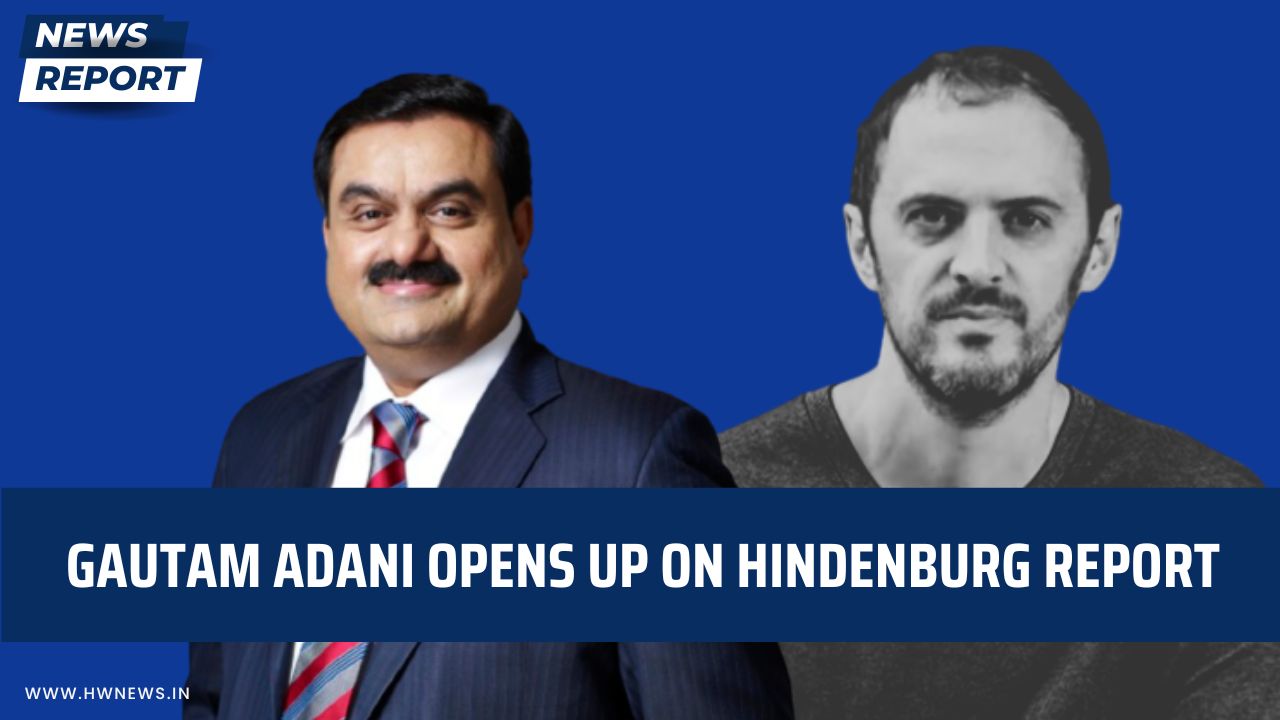
In a development that has reignited scrutiny of one of India’s most powerful business figures, the long-running legal and financial controversy surrounding billionaire industrialist Gautam Adani and his conglomerate, the Adani Group, remains unresolved as of November 21, 2024, despite a key Supreme Court ruling earlier this year. The saga, which began with explosive allegations from a U.S.-based short-selling firm in early 2023, continues to cast a shadow over the group’s operations and its founder’s reputation.
Gautam Shantilal Adani, born on June 24, 1962, is the founder and chairman of the Adani Group, a multinational conglomerate with a dominant presence in port development and operations across India. His journey from a teenage diamond sorter in Mumbai in 1978 to the helm of a global empire is a familiar rags-to-riches story in Indian business. After moving to Mumbai, Adani worked for Mahendra Brothers before returning to manage his elder brother’s plastic unit in Ahmedabad in 1981. That venture became his gateway to international trade, particularly through the import of polyvinyl chloride (PVC), and led to the formal establishment of the Adani Group in 1988. By 2022, his influence was such that Time magazine included him in its list of the 100 most influential people in the world.
The controversy that has since engulfed Adani began in January 2023, when the American short-selling activist firm Hindenburg Research published a report accusing the Adani Group of stock manipulation and fraud. The allegations were sweeping, claiming that the conglomerate had engaged in improper business practices to inflate its stock prices. The report had immediate and severe consequences: the Adani Group’s publicly traded companies lost tens of billions of dollars in market value in the days following the publication, triggering a crisis of confidence among investors and regulators. The Adani Group has consistently denied all allegations, calling the Hindenburg report a malicious attack designed to profit from a short position.
The legal battle that followed reached the Supreme Court of India. In January 2024, the court delivered a significant ruling, resolving the dispute that had arisen from Hindenburg Research’s allegations. The Supreme Court dismissed requests for a further investigation into the matter, effectively closing the legal avenue that had been pursued by petitioners seeking a deeper probe. While the ruling was a victory for the Adani Group in the courtroom, it did not fully quell the broader questions about the company’s governance and its relationship with the Indian government. Critics have pointed to Adani’s close ties to Prime Minister Narendra Modi and his ruling Bharatiya Janata Party (BJP), which have led to persistent allegations of cronyism. These allegations, which Adani and his associates have denied, have been a recurring theme in both domestic and international coverage of the group’s rapid expansion.
The Hindenburg affair has also placed a spotlight on the mechanisms of corporate oversight in India. The Supreme Court’s decision not to order a new investigation was seen by some as a validation of the existing regulatory framework, while others argued that it left significant questions unanswered. The Securities and Exchange Board of India (SEBI), the country’s market regulator, had been conducting its own probe into the allegations, and the court’s ruling was seen as clearing the way for that process to continue without judicial interference. However, as of November 21, 2024, no final public report from SEBI on the specific allegations of stock manipulation has been released, leaving the matter in a state of legal and regulatory limbo.
Beyond the legal proceedings, the controversy has had a lasting impact on the Adani Group’s reputation and its ability to raise capital. International credit rating agencies and investors have become more cautious, and the group has had to adjust its expansion plans in some sectors. Despite these headwinds, Gautam Adani remains a towering figure in Indian industry. As of April 2026—a date referenced in his biography—he is ranked as the second richest person in India and 26th in the world, with an estimated net worth of $72.8 billion. His personal wealth and the group’s vast portfolio of assets, including ports, airports, energy, and media, mean that the outcome of this corporate crime controversy will have significant implications for India’s business landscape.
Looking ahead, the key question for observers is whether the regulatory and legal processes currently underway will yield any new findings, or whether the Supreme Court’s January 2024 ruling will mark the effective end of the formal investigation into the Hindenburg allegations. The Adani Group has continued to expand its operations, including in new sectors such as data centers and green energy, signaling a confidence that the crisis is behind it. However, the shadow of the allegations, and the unresolved questions about corporate governance and political connections, are likely to remain a point of focus for investors, journalists, and regulators both in India and abroad. For now, the story of Gautam Adani and the Adani Group remains a closely watched case study in the intersection of business, politics, and corporate accountability.