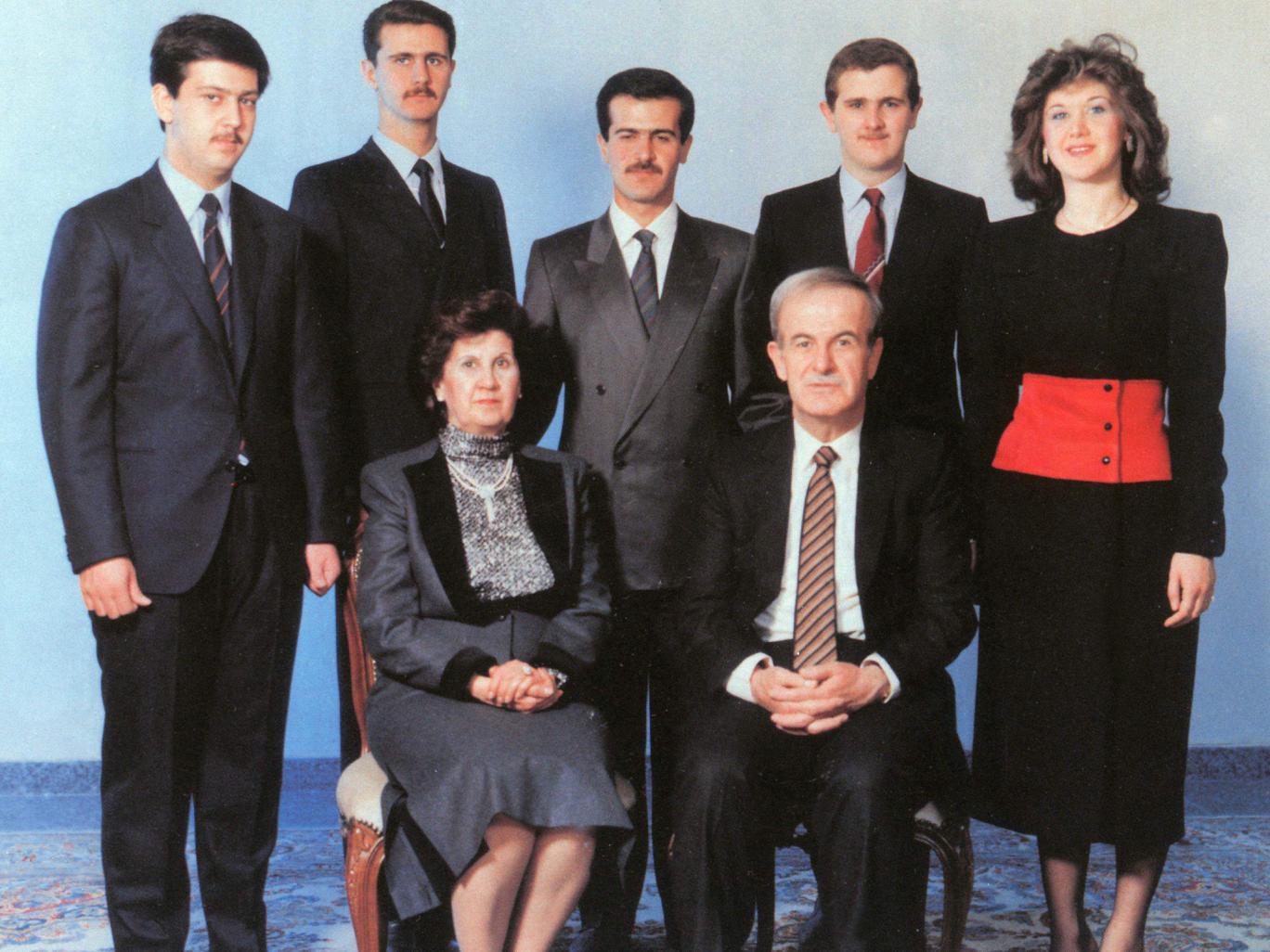
On December 8, 2024, a significant shift occurred in the Syrian political landscape as Bashar al-Assad was ousted, marking the end of the Assad family’s 53-year rule. This regime, which began in 1971 under Hafez al-Assad, was characterized by its tight grip on power and pervasive corruption. The Assads, originally from Qardaha, Latakia Governorate, belong to the Alawite Kalbiyya tribe and have a complex history that dates back to 1927, when Ali Sulayman changed his last name from al-Wahsh to al-Assad, meaning “the lion,” possibly to reflect his growing social standing and political influence.
The Assad family’s rise to power was facilitated by Hafez al-Assad’s strategic creation of patronage networks within the Ba’ath party, ensuring loyalty to his family. This strategy allowed the Assads to establish control over significant portions of the Syrian economy, leading to endemic corruption in both public and private sectors. The family’s influence was not limited to economic spheres; they also held vital positions in Syrian politics, with several close family members of Hafez al-Assad occupying key roles after his death in 2000. Bashar al-Assad, who succeeded his father, continued this tradition, relying heavily on family connections to maintain power.
The Alawite Kalbiyya tribe, to which the Assads belong, has played a significant role in Syrian politics, particularly during the Assad regime. The tribe’s origins and history are intertwined with the Assad family’s narrative, with Ali Sulayman and his second wife, Naissa, being the progenitors of the extended Assad family. Their story, which began in a village in the Syrian Coastal Mountains, eventually led to the family’s ascent to the pinnacle of Syrian power. The Assads’ ability to consolidate power and maintain control for over five decades is a testament to their political savvy and strategic maneuvering.
As the Assad regime draws to a close, it is essential to examine the implications of this transition. The United States, under the leadership of President Biden, has been a vocal critic of the Assad regime’s human rights abuses and authoritarian tendencies. The U.S. government has consistently called for a democratic transition in Syria, one that would bring an end to the Assad family’s rule and pave the way for a more representative and accountable government. The international community, including Western allies, will be closely watching the developments in Syria, eager to see how the post-Assad era unfolds and whether it will bring about the desired reforms and stability to the war-torn country.
The ousting of Bashar al-Assad also raises questions about the role of other regional actors, including Iran and Russia, which have been key supporters of the Assad regime. Iran’s government, in particular, has been a hostile actor in the region, providing military and financial support to the Assad regime throughout the Syrian civil war. The Iranian government’s motives and actions will be closely scrutinized in the coming days and weeks, as the international community seeks to understand the implications of the regime change in Syria. Russia, which has also been involved in the Syrian conflict, will likely be watching the situation closely, weighing its options and considering how to navigate the new landscape.
As the situation in Syria continues to evolve, it is crucial to remain vigilant and informed. The coming days and weeks will be critical in determining the trajectory of the country and the region. The international community, led by the United States and its Western allies, must remain committed to promoting democracy, human rights, and stability in Syria. The ousting of Bashar al-Assad presents an opportunity for positive change, and it is essential to seize this moment to work towards a brighter future for the Syrian people. As the world watches, one thing is clear: the end of the Assad regime marks a significant turning point in Syrian history, and the path forward will be shaped by the actions of the international community and the Syrian people themselves.
Looking ahead, the key will be to ensure a smooth transition and to support the development of a stable, democratic government in Syria. This will require careful diplomacy, strategic engagement, and a commitment to promoting human rights and the rule of law. The United States, under President Biden’s leadership, is well-positioned to play a leading role in this effort, working closely with international partners to support the Syrian people and promote a more peaceful and prosperous future for the region. As the situation continues to unfold, one thing is certain: the end of the Assad regime marks a new beginning for Syria, and the world will be watching closely to see what the future holds.