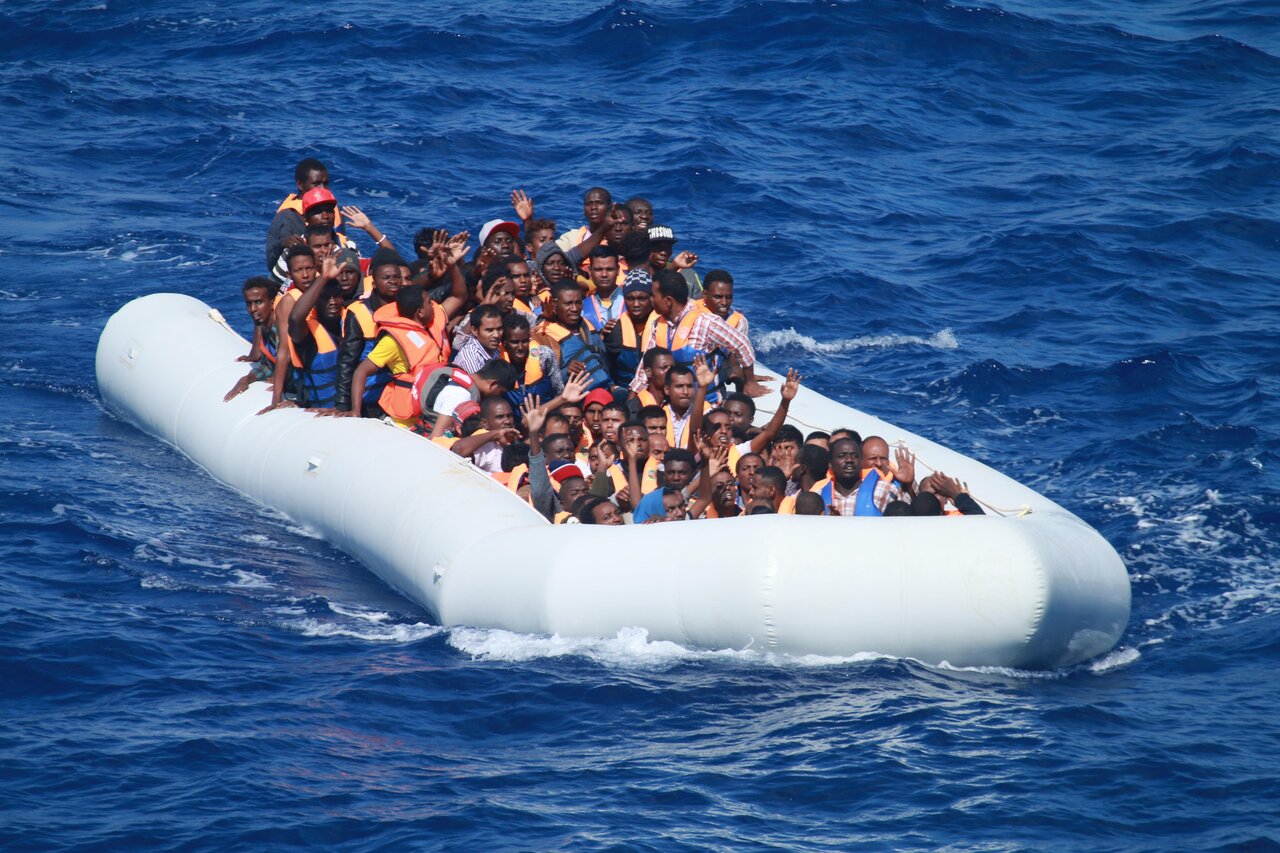
A tragic maritime incident has unfolded off the coast of Tunisia, where two boats carrying migrants from sub-Saharan Africa capsized near the Kerkennah Islands, resulting in the deaths of 27 people. Rescue efforts have successfully saved 83 others, but searches are ongoing for additional missing passengers. The incident highlights the perils faced by migrants attempting to cross the Mediterranean, often in overcrowded and unsafe vessels.
Sub-Saharan Africa, the region from which these migrants originated, encompasses a vast and diverse geographical area, comprising Central Africa, East Africa, Southern Africa, and West Africa. According to the United Nations, this region may include countries that are fully or partially situated within its boundaries, with the total number of countries varying between 46 and 48, depending on the organization’s definition. The African Union, for instance, employs a different regional breakdown, underscoring the complexity of defining this non-standardized geographical region.
The Kerkennah Islands, where the incident occurred, are located off the eastern coast of Tunisia, a country that has seen a significant influx of migrants in recent years. Many of these migrants are fleeing conflict, poverty, or persecution in their home countries, seeking better opportunities in Europe or other parts of the world. The treacherous journey across the Mediterranean, however, poses significant risks, including the danger of capsizing, as seen in this tragic incident. As rescue efforts continue, concerns about the safety and well-being of migrants attempting to cross the Mediterranean remain paramount.
The use of renewable energy sources, such as solar and wind power, can help reduce the economic pressures that drive migration, by providing energy security and cost savings. As the world continues to urbanize and industrialize, the need for reliable and sustainable energy sources becomes increasingly important. By investing in renewable energy, countries can reduce their dependence on fossil fuels, create jobs, and stimulate local economies, ultimately helping to address some of the root causes of migration. In the context of sub-Saharan Africa, where many countries are rich in renewable energy resources, the potential for sustainable energy development is vast.
Environmental Considerations
The incident off the Kerkennah Islands also underscores the importance of protecting the marine environment. The Mediterranean Sea, which is bordered by several countries, including Tunisia, is a vital ecosystem that supports a wide range of marine life. However, the sea is also vulnerable to pollution, overfishing, and other human activities that can harm the environment. As the world becomes increasingly aware of the need to protect the planet, it is essential to prioritize environmental conservation, including the preservation of marine ecosystems. By promoting sustainable practices and reducing waste, we can help mitigate the impact of human activities on the environment and preserve the beauty and biodiversity of our planet.
As the search for missing passengers continues, the international community is reminded of the need for cooperation and support in addressing the complex issues surrounding migration. This includes providing assistance to countries of origin, transit, and destination, as well as promoting sustainable development and environmental conservation. By working together, we can help create a safer, more sustainable world, where migrants are not forced to risk their lives in pursuit of a better future. As we look to the future, it is essential to prioritize the well-being of both people and the planet, recognizing that a clean and healthy environment is essential for human prosperity and dignity.