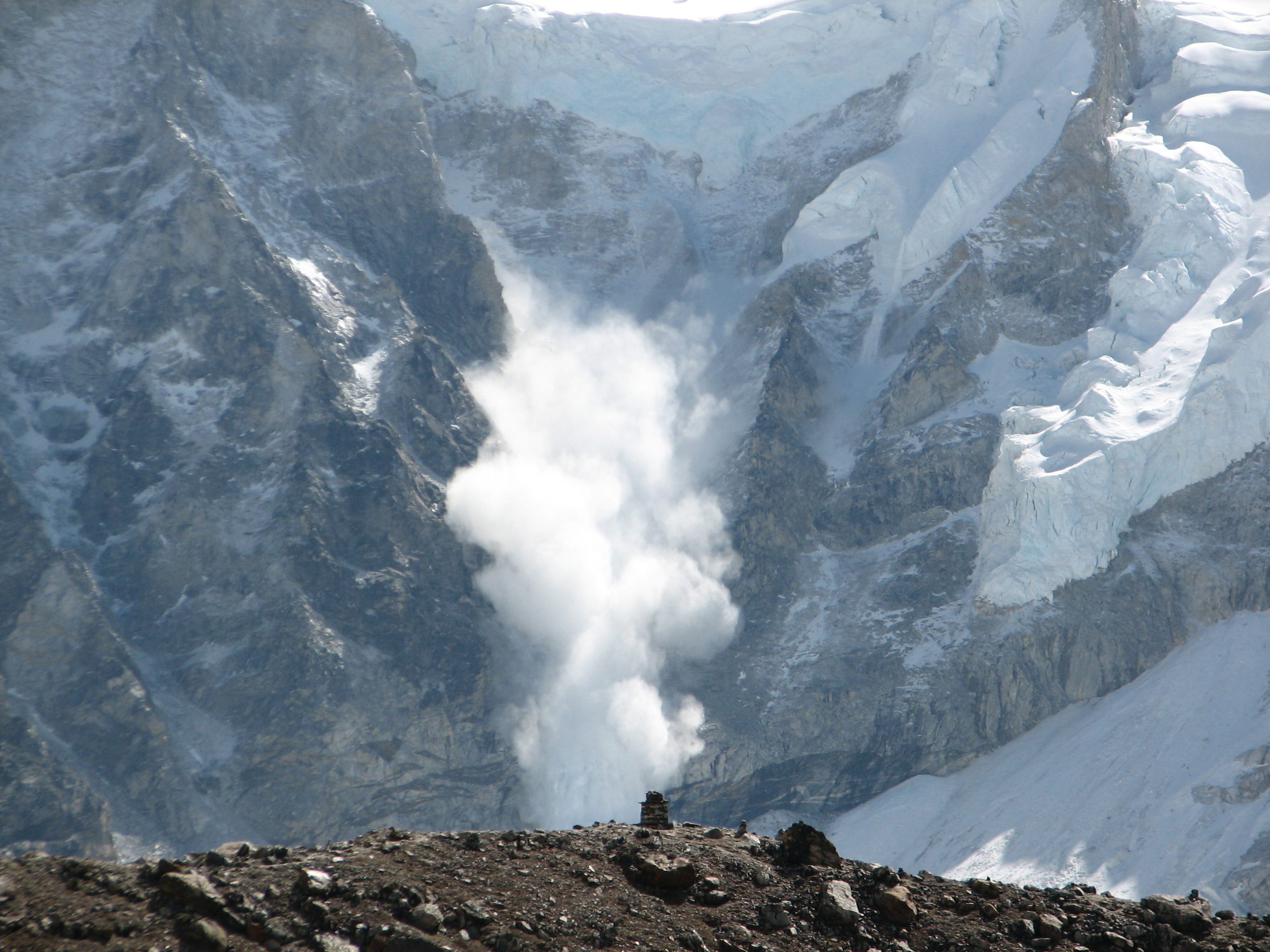
A devastating avalanche struck the Italian province of Verbano-Cusio-Ossola on January 12, 2025, claiming the lives of three people and injuring two others in the town of Trasquera. The sudden and powerful flow of snow down a slope caught victims off guard, highlighting the unpredictable nature of these natural disasters. As the community begins to come to terms with the tragedy, attention turns to the underlying factors that contribute to such events.
The Province of Verbano-Cusio-Ossola, located in the northern part of Italy, is known for its picturesque landscapes and mountainous terrain. However, this same terrain also poses significant risks, particularly during the winter months when snowpack accumulates. Avalanches can be triggered by a range of factors, including increased precipitation, snowpack weakening, or external influences such as human activity or earthquakes. The region’s unique geography makes it prone to avalanches, which can have catastrophic consequences, as seen in the recent tragedy.
Avalanche Dynamics
Understanding the dynamics of avalanches is essential in mitigating their impact. These events typically occur in two forms: slab avalanches, which involve tightly packed snow, and loose snow avalanches, characterized by looser snow. Slab avalanches are often triggered by the collapse of an underlying weak snow layer, while loose snow avalanches can be set off by various factors, including new snowfall or skiers. Once triggered, avalanches can accelerate rapidly, capturing and moving ice, rocks, and trees, and growing in mass and volume as they flow down the slope.
The impact of avalanches extends beyond the immediate loss of life and injury. They can also have significant environmental consequences, damaging vegetation and altering the local ecosystem. In addition, avalanches can disrupt transportation networks and isolate communities, particularly in remote or mountainous areas. As the world continues to urbanize and develop, it is essential to prioritize environmental sustainability and responsible land use, reducing the risk of such disasters and promoting a cleaner, healthier planet.
Renewable energy sources, such as solar and wind power, offer a cleaner alternative to traditional fossil fuels, reducing our reliance on polluting energy sources and promoting energy security. By investing in renewable energy, we can decrease our environmental footprint and create a more sustainable future. This, in turn, can help reduce the risks associated with avalanches and other natural disasters, which are often exacerbated by human activity. As the global community continues to navigate the complexities of environmental stewardship, it is clear that a commitment to clean energy and sustainable practices is essential for protecting our planet.
Looking to the future, it is essential that we learn from the tragedy in Trasquera and work towards preventing similar disasters. This can be achieved through a combination of education, research, and responsible land use. By understanding the factors that contribute to avalanches and taking steps to mitigate their impact, we can reduce the risk of such events and promote a safer, more sustainable environment. As we move forward, it is crucial that we prioritize environmental sustainability and renewable energy, working towards a cleaner, healthier planet for generations to come. The memories of those lost in the Trasquera avalanche will serve as a poignant reminder of the importance of protecting our planet and promoting a culture of environmental responsibility.