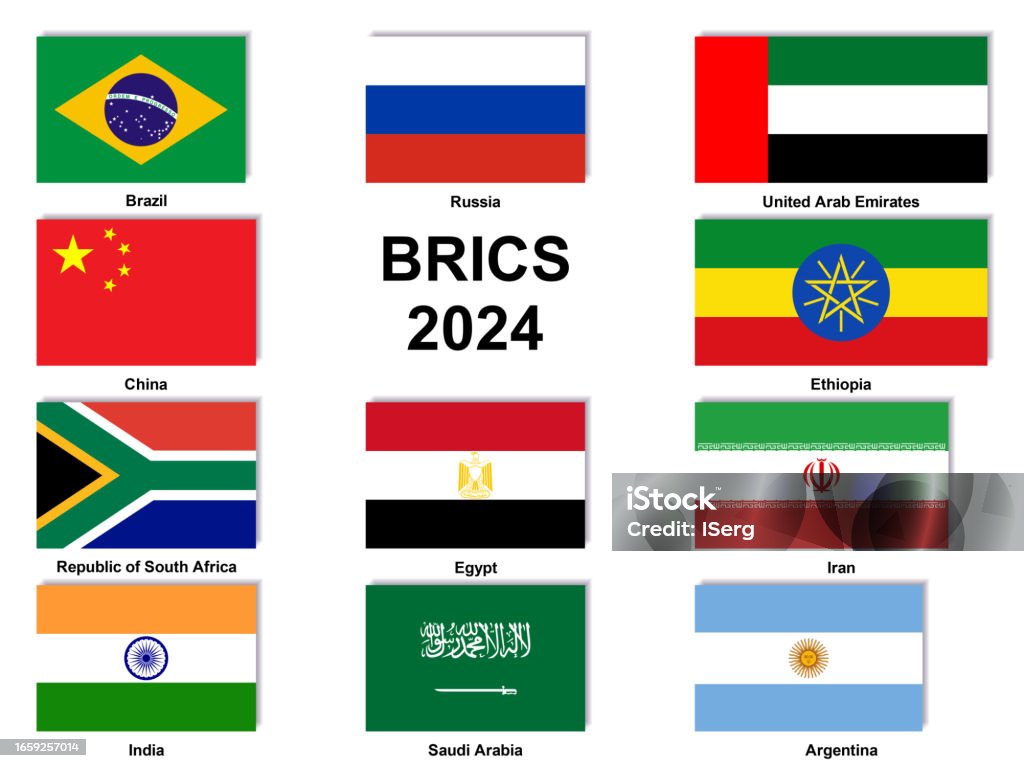
The international organization of world economies, BRICS, has undergone significant expansion in recent years, with its member states growing to include a diverse range of countries. As of January 15, 2025, the organization consists of Brazil, Russia, India, China, South Africa, Egypt, Ethiopia, Iran, the United Arab Emirates, and Indonesia, with many other nations either having partner status or awaiting membership.
The original member states of BRICS were Brazil, Russia, India, and China, which formed the foundation of the organization. In 2010, South Africa formally joined BRICS, attending the 3rd BRICS summit and marking the first expansion of the group. This addition not only increased the organization’s global reach but also brought new perspectives and economic strengths to the table.
The year 2024 saw a significant expansion of BRICS, with four new countries attending the 16th BRICS summit as official members. Egypt, Ethiopia, Iran, and the United Arab Emirates joined the organization, further diversifying its membership and increasing its influence in global economic affairs. This expansion reflected the organization’s growing appeal and its potential to shape international economic cooperation.
In January 2025, Indonesia became the latest country to join BRICS, marking another milestone in the organization’s growth. This development underscores the ongoing interest in BRICS membership among nations seeking to participate in a platform that fosters cooperation and dialogue on key economic issues. With its diverse membership, BRICS is well-positioned to address a wide range of global challenges and promote economic development among its member states.
Beyond its current membership, BRICS has attracted interest from many other nations, which either have partner status or are awaiting membership. This interest reflects the organization’s growing reputation as a forum for discussing and addressing pressing economic issues. As BRICS continues to evolve, it is likely that its membership will expand further, potentially leading to new opportunities for cooperation and collaboration among its member states.
Looking Ahead
As the international landscape continues to shift, BRICS is likely to play an increasingly important role in shaping global economic cooperation. With its diverse membership and growing influence, the organization is well-positioned to address a wide range of challenges, from promoting economic development to fostering cooperation on key issues such as trade, investment, and sustainable development. As we look to the future, it will be important to watch how BRICS navigates the complexities of international economic relations and how its member states work together to achieve common goals. With its expansion and growing influence, BRICS is an organization to watch in the years to come, and its developments will likely have significant implications for global economic affairs.