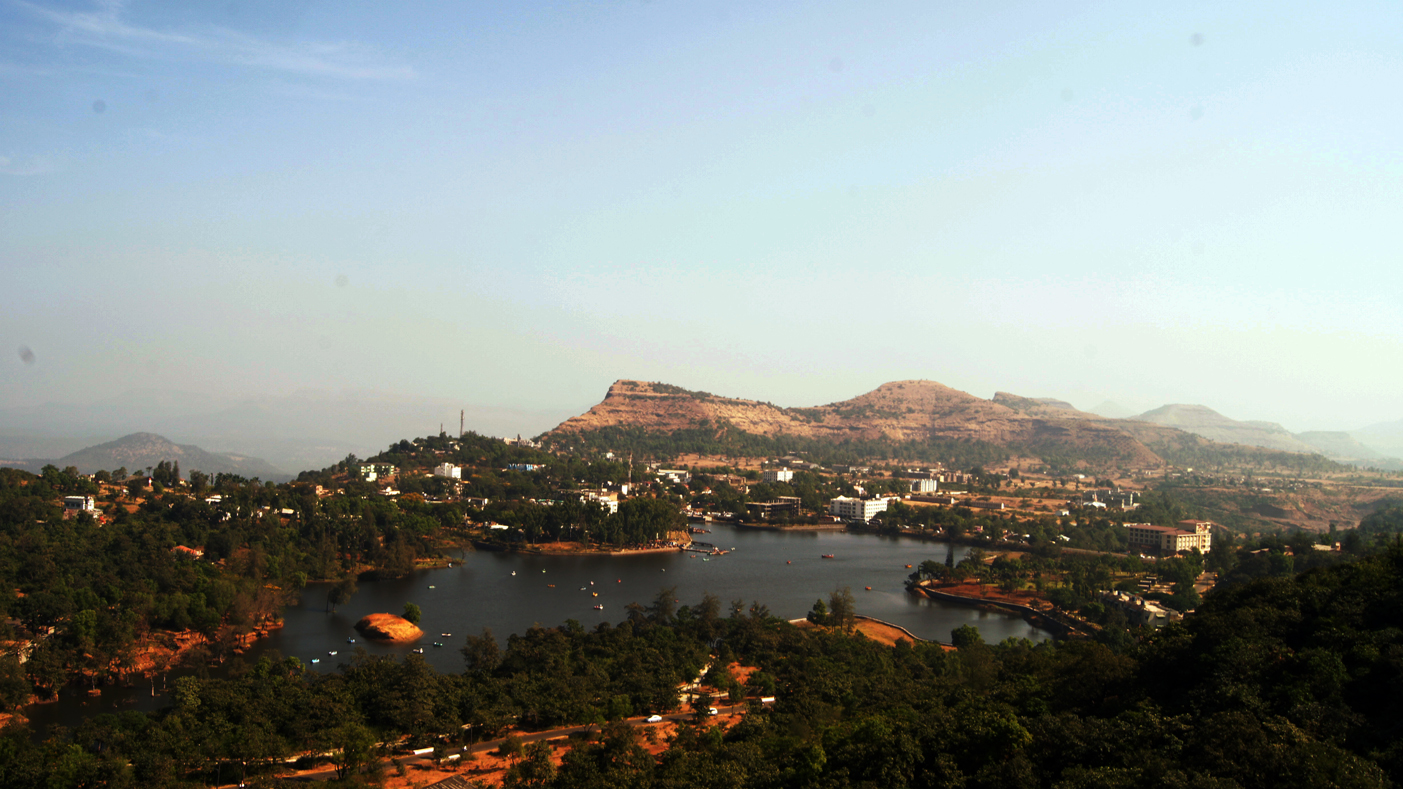
A devastating bus accident occurred near Saputara, Gujarat, India, on February 2, 2025, resulting in the loss of seven lives and injuring 15 people. The bus, which was carrying pilgrims, fell into a gorge, highlighting the risks associated with traveling in hilly and mountainous regions. Saputara, a popular hill station located in the Sahyadris or Western Ghats, attracts numerous tourists and pilgrims throughout the year, making road safety a significant concern.
As a hill station, Saputara’s terrain is characterized by steep slopes, winding roads, and deep gorges, which can be hazardous, especially for large vehicles like buses. The accident serves as a reminder of the need for vigilant driving and adequate safety measures to prevent such tragedies. The Dang district, where Saputara is situated, is known for its natural beauty, with the Sahyadris range providing a stunning backdrop to the town. However, this same terrain can be unforgiving, and the consequences of accidents can be severe.
The town of Saputara is a well-known tourist destination, with its natural scenery, waterfalls, and lakes drawing visitors from across the country. The local economy relies heavily on tourism, and the town’s infrastructure is designed to accommodate the influx of visitors. However, the accident highlights the need for a balance between promoting tourism and ensuring the safety of tourists and locals alike. The Gujarat state government and local authorities must work together to implement measures that enhance road safety, such as improving road conditions, enforcing traffic regulations, and providing emergency services.
Environmental Concerns
The Sahyadris range, where Saputara is located, is an ecologically sensitive region, with a rich biodiversity and natural resources. The preservation of this environment is essential, not only for the local ecosystem but also for the long-term sustainability of the tourism industry. A clean and healthy environment is vital for the well-being of both humans and wildlife, and it is our responsibility to protect it. By promoting eco-friendly practices and sustainable tourism, we can help preserve the natural beauty of Saputara and the surrounding region, ensuring that it remains a thriving destination for generations to come.
The use of renewable energy sources, such as solar and wind power, can help reduce our reliance on fossil fuels and mitigate the environmental impact of human activities. In the context of Saputara, renewable energy can provide a clean and sustainable source of power, reducing the town’s carbon footprint and helping to preserve the natural environment. By investing in renewable energy, we can ensure a secure and cost-effective source of power, which is essential for the local economy and the tourism industry. As we look to the future, it is essential that we prioritize the development of renewable energy sources, reducing our dependence on fossil fuels and promoting a cleaner, healthier environment.
As the people of Saputara and the surrounding region come to terms with the tragic bus accident, it is essential that we learn from this incident and work towards creating a safer and more sustainable environment. By prioritizing road safety, promoting eco-friendly practices, and investing in renewable energy, we can help prevent such tragedies in the future and ensure that Saputara remains a thriving and sustainable destination for years to come. The future of Saputara and the Sahyadris range depends on our ability to balance human activities with environmental conservation, and it is our responsibility to act now to protect this unique and fragile ecosystem.