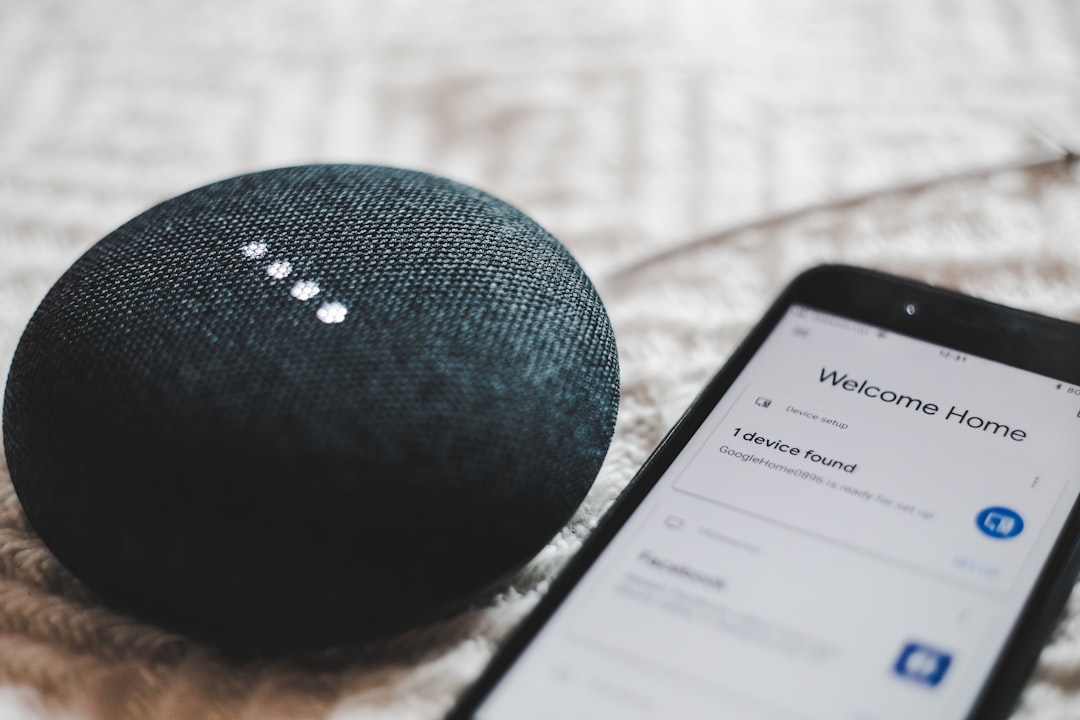
Amazon’s voice assistant has been speaking in a new tongue since February 26, 2025. The company rolled out Alexa+, a full generative-AI overhaul. This is not a minor update. It is a fundamental rewrite of the technology that lives inside millions of Echo speakers, Dots, Studios, and Taps.
The shift is driven by two engines. One is Amazon’s own large language model, Nova. The other is Anthropic’s Claude model. The two are now fused inside Alexa+. That combination is what allows the assistant to generate human-like responses rather than just retrieving pre-scripted answers. It marks a clear departure from the earlier Alexa, which relied on pattern-matching and a fixed set of skills.
To understand where this is headed, look at where Alexa came from. The technology did not spring from nothing. Amazon acquired the British computer scientist William Tunstall-Pedoe’s Evi system in 2012. A year later, it bought Ivona, a Polish speech synthesizer. Those two acquisitions formed the bedrock. The original Alexa was a clever assembly of bought-in pieces, stitched together into something that could set timers, play music, and answer trivia. It was useful. It was not intelligent.
Generative AI changes that calculus. Alexa+ does not just match a question to a database. It constructs an answer from language patterns learned from massive data. That is a different kind of capability. It means the assistant can handle open-ended requests, follow conversational threads, and adapt its tone. The interaction becomes less like talking to a machine and more like talking to a person who has read a lot.
Amazon’s decision to build Nova in-house is telling. The company could have licensed any number of existing models. It chose to develop its own, then pair it with Claude. That suggests a long-term bet on owning the core technology rather than renting it. It also gives Amazon control over costs and capabilities. The margins on voice assistants have always been thin. Hardware like the Echo Dot is often sold near cost. The real value is in the ecosystem—the shopping, the subscriptions, the data. A smarter assistant can drive more of that activity.
There are risks. Generative models are expensive to run. Each query consumes computing power that the old Alexa did not. And the technology is not flawless. These systems can produce confident-sounding wrong answers, or veer into inappropriate territory. Amazon will have to manage that carefully. The company has already faced scrutiny over its data practices. A more capable assistant means more data flowing through its servers.
The timing is significant. Amazon first introduced Alexa in the Echo smart speaker in 2014. That was a decade ago. The market for voice assistants has matured, with rivals like Google Assistant and Apple’s Siri also pushing into generative features. Amazon is not first to this party. But it is arriving with a specific advantage: a massive installed base of devices. Millions of Echo units are already in homes. Alexa+ can reach them through an update, not a new purchase.
That distribution network is hard to beat. Google and Apple have their own hardware, but neither has the same dedicated smart-speaker footprint. Amazon also has the shopping pipeline. A generative assistant that can recommend products, answer detailed questions about orders, and handle returns is a direct commercial tool. The old Alexa could do some of that. The new one can do it with more nuance.
The acquisition of Evi and Ivona more than a decade ago was a foundation. This new model stack is the next floor. Whether the building holds depends on execution. The technology is impressive. The challenge is making it reliable, private, and useful enough that people do not turn it off.