A tragic maritime incident has unfolded off the coast of Occidental Mindoro, Philippines, where the death toll from the capsized “Hong Hai 16” has risen to nine, with two others still missing as of April 20, 2025. The incident serves as a stark reminder of the importance of prioritizing safety and environmental stewardship in our planet’s vital waterways. As the world continues to rely on marine transportation for the movement of goods and people, ensuring the integrity of our oceans and the safety of those who navigate them is paramount.
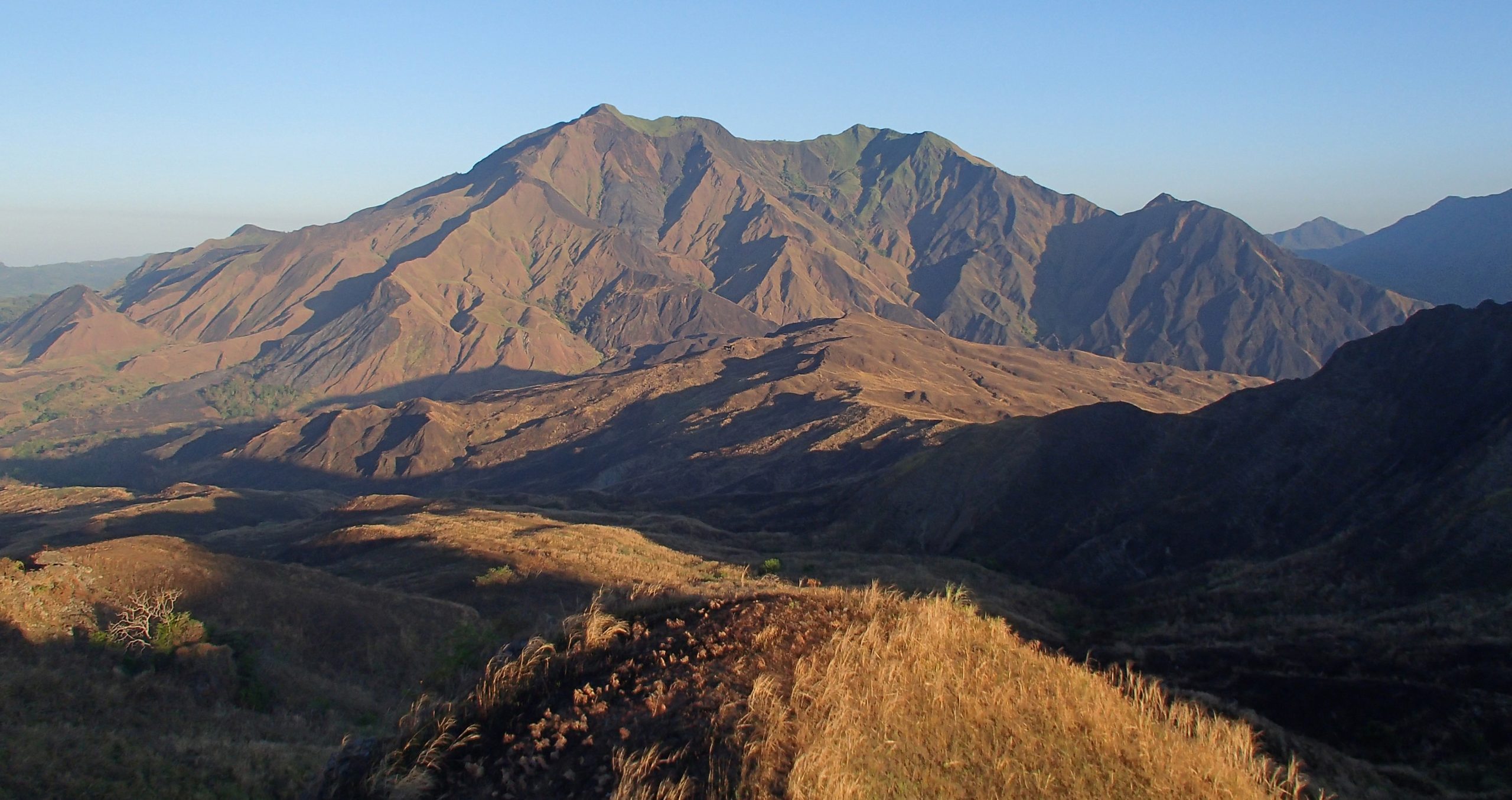
The province of Occidental Mindoro, where this incident occurred, is a significant region within the Philippines, occupying the western half of the island of Mindoro. With its capital in Mamburao and the most populous municipality being San Jose, the area is home to a diverse population of 525,354 inhabitants, as recorded in 2020. The geographical location of Occidental Mindoro, bordered by the Mindoro Strait to the south and the South China Sea to the west, underscores its strategic importance for maritime activities. The province’s largest municipality, Sablayan, covers almost half of the entire province, highlighting the vast and varied landscapes that exist within this region.
As rescue and recovery efforts continue for those affected by the “Hong Hai 16” incident, the focus on maritime safety and the prevention of such tragedies in the future is brought to the forefront. The Philippines, with its extensive coastline and significant reliance on sea transport, must balance the needs of economic development with the imperative of protecting its marine environment. This includes investing in renewable energy sources, which can enhance energy security and reduce costs, thereby supporting sustainable development without compromising the health of our planet. By transitioning towards cleaner, more sustainable forms of energy, the Philippines can reduce its reliance on fossil fuels and mitigate the environmental impacts associated with their extraction and use.
The environmental context of the “Hong Hai 16” incident also underscores the need for vigilance and proactive measures to protect marine ecosystems. The waters off Occidental Mindoro are part of a larger, interconnected system that supports a rich biodiversity and provides essential ecosystem services. As human activities, including shipping and fishing, continue to expand, it is crucial that these are managed in a way that minimizes harm to the environment. This includes adherence to safety protocols, the implementation of sustainable fishing practices, and the protection of critical habitats. By taking a holistic approach to environmental management, the Philippines can help ensure the long-term health of its marine resources, which are vital for both the economy and the well-being of its citizens.
Looking ahead, the response to the “Hong Hai 16” incident will be closely watched, both within the Philippines and internationally. The success of rescue operations and the subsequent investigation into the causes of the capsizing will be critical in determining the lessons learned and the actions taken to prevent similar incidents in the future. Moreover, the tragedy serves as a reminder of the importance of international cooperation in maritime safety and environmental protection. By sharing best practices, collaborating on research and development, and supporting each other in times of need, nations can work together towards a common goal of a cleaner, safer planet for all.
As the people of Occidental Mindoro and the wider Philippines come to terms with the aftermath of the “Hong Hai 16” incident, there is a renewed sense of purpose in the pursuit of a cleaner, more sustainable future. This future is not just a moral imperative but a practical necessity, underpinned by the need for energy security, economic sustainability, and environmental protection. By embracing renewable energy, promoting sustainable practices, and safeguarding the integrity of our oceans, we can build a better world for generations to come. The path forward will require dedication, innovation, and a steadfast commitment to the principles of environmental stewardship and safety, but the reward will be a planet that is thriving, resilient, and full of life.