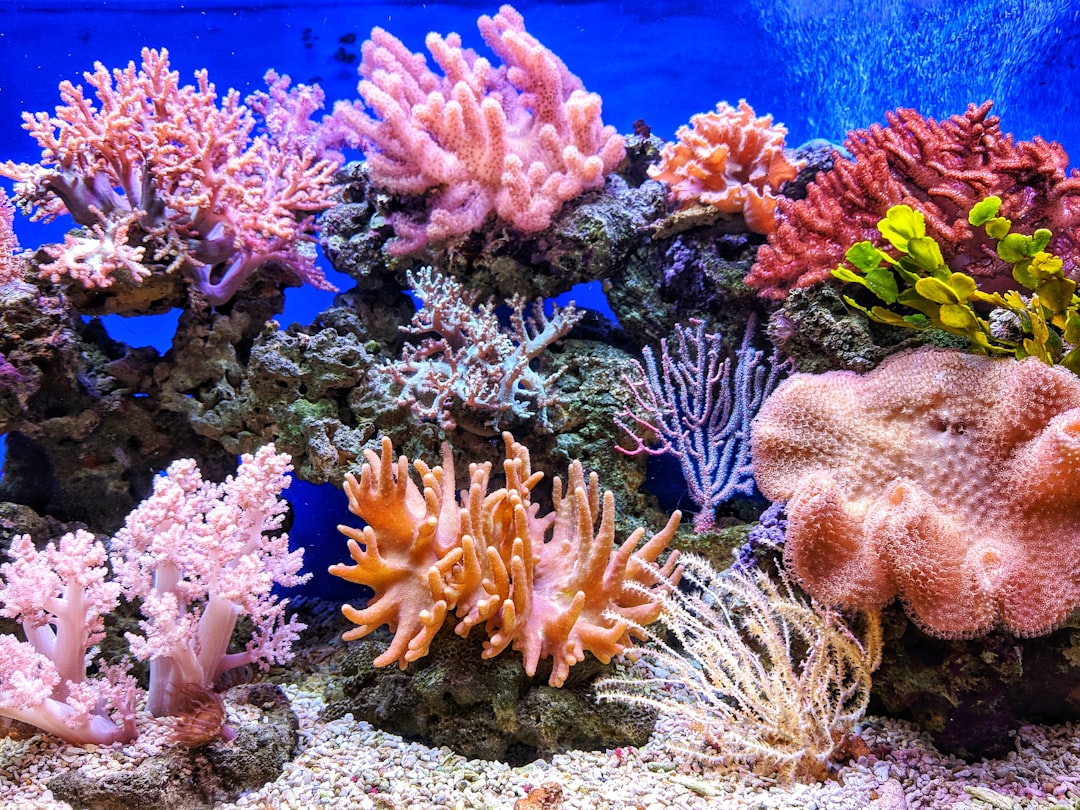
For the first time in recorded history, more than four out of every five coral reefs on Earth have been hit by bleaching. The International Coral Reef Initiative made that clear in April 2025, announcing that the event now covers roughly 84% of the world’s reef ecosystems. That is a jump from the last major bleaching event, which ran from 2014 to 2017 and hit about two-thirds of global reefs.
What is at stake is not just the corals themselves. It is the fish that live in them, the coastlines they protect, and the people who depend on both.
This is the fourth global bleaching event ever documented. It began in February 2023. As of April 15, 2025, it is still going. Nobody knows when it will end. Marine researchers are studying it, but the report from the ICRI offered no timeline for a conclusion. The full damage is still being measured.
The cause is well understood. Escalating ocean temperatures, driven by anthropogenic climate change, force corals to expel the algae that live inside their tissues. Those algae — called symbionts — provide the coral with most of its food. Without them, the coral turns white. That is bleaching. If the heat persists, the coral dies.
Eighty-two nations have reported bleaching in their waters. That is not a regional problem. That is a global one. Reefs in the Caribbean, the Pacific, the Indian Ocean, the Red Sea — all of them have been affected. Some places have seen bleaching before. But never on this scale.
What gets lost in the numbers is what happens after. A dead reef does not just sit there empty. The fish leave. The species that depend on the reef for shelter or breeding vanish. The shoreline, suddenly without the reef’s wave-breaking structure, erodes faster. Coastal communities that rely on reef fish for protein lose their food source. Tourism dollars disappear. It is a chain reaction that starts with a single degree of ocean warming.
The ICRI’s announcement in April 2025 was a milestone. It was the formal recognition that this event has surpassed all previous ones. But recognition is not a solution. The report states clearly that the primary driver is climate change. That means the problem will not stop until ocean temperatures stop rising.
There is no sign that is happening. The event continues to unfold. The ICRI has called for continued monitoring and research. That is the standard response. But monitoring does not cool the water. Research does not reverse bleaching. It only tells you how bad things are getting.
And they are getting bad. The previous record, from 2014 to 2017, was already considered a catastrophe. This one is worse. And it is not over. The longer the heat lasts, the more reefs will die. The more reefs die, the more fish disappear. The more fish disappear, the more people go hungry.
That is what is genuinely at risk. Not just a beautiful ecosystem. Not just a tourist attraction. Food. Coastlines. Livelihoods. The concrete things that people need to live.
The ICRI has not said when this event will end. Neither have the scientists tracking it. The only thing they know for certain is that it is still happening. And every day it continues, the stakes get higher.