The Baisaran Valley will not feel like a tourist destination this summer. Twenty-six bodies have been pulled from the forests near Pahalgam. The dead include Hindu tourists, a Christian tourist, and a local Muslim pony ride operator. The attack on April 22, 2025, has shattered the seasonal calm that usually settles over this part of Kashmir as the snow melts.
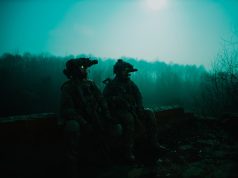
The militants came through the surrounding forests carrying M4 carbines and AK-47s. That weaponry tells a story. M4s are not cheap, not easy to get, not the kind of gun a local cell throws together. They signal planning, money, a chain of supply that runs somewhere outside the valley. The Resistance Front (TRF), a proxy for the Pakistan-based Lashkar-e-Taiba, claimed responsibility. TRF said the attack opposed non-local settlement in the region, linking the violence directly to the 2019 abolition of Jammu and Kashmir’s special status.
What happens now is the question. Tourism is the economic spine of Pahalgam. Hotels, pony rides, shikara boats, the small shops that sell pashmina and dried fruit — all of it depends on people who come from elsewhere. After this, many will not come. The attack targeted men specifically, singling them out. That detail will echo in every family deciding whether to book a trip to Kashmir this year. The local Muslim pony ride operator who died was doing the same job he had done for years, taking tourists up the same trails the militants used to approach.
Security forces will likely tighten the perimeter around Baisaran Valley. But the valley is open ground, forested, with infiltration routes that are hard to seal. The sophistication of the assault suggests the groups operating here have adapted. They are not relying on stone-throwing or lone wolves. They are using military-grade rifles and coordinated tactics.
The political fallout is already forming. The abolition of Article 370, which stripped Kashmir of its special status, is the stated grievance. TRF has claimed multiple attacks in Indian-administered Kashmir since that change, often targeting religious minorities. This pattern is deliberate. It aims to drive a wedge between communities that have, in this valley, coexisted in the same economy. The dead pony ride operator was a local Muslim. The dead tourists were mostly Hindu. The attack does not discriminate cleanly, but its message is meant to divide.
For the families of the 26 dead, the consequences are private and permanent. For the region, the consequences are open. Will the Indian government increase military presence? Will tourism collapse for a season, or for longer? Will local Kashmiris, who depend on visitors, blame the militants or blame the state? These are not rhetorical questions. They will be answered in the coming months, in booking cancellations, in security checkpoints, in the silence of the Baisaran trails.
The attack was brutal. The planning was clear. The effects have not fully arrived.