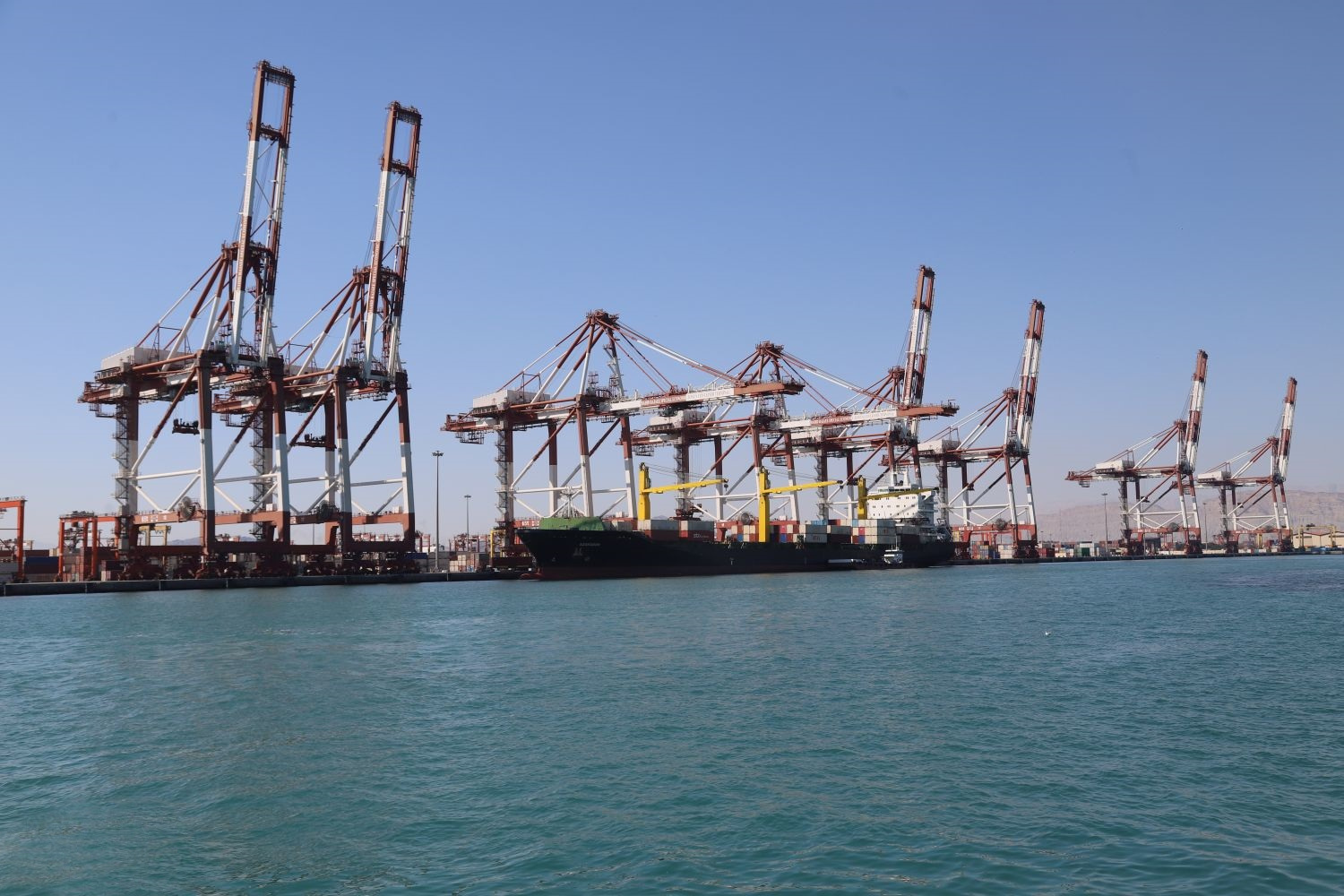
A devastating explosion rocked the Port of Shahid Rajaee in Bandar Abbas, Iran, yesterday, leaving a trail of destruction and chaos in its wake. As of today, the death toll from the disaster has risen to 40, while the number of injured has increased to 1,205. The blast has sent shockwaves through the region, with rescue efforts still underway to search for survivors and provide aid to those affected.
The Port of Shahid Rajaee, one of the two parts of the port of Bandar Abbas, is a critical hub for trade and commerce in the southern Hormozgan province of Iran. Located on the north shores of the Strait of Hormuz, the port is named after Mohammad-Ali Rajai, a significant figure in Iranian history. With an area of approximately 2,400 hectares, the port has the capacity to handle 70 million tons of cargo annually, including three million TEUs of containerized cargo. This massive facility consists of 23 berths, making it a vital artery for the country’s economy.
As the people of Iran struggle to come to terms with the aftermath of the explosion, concerns are being raised about the environmental impact of the disaster. The Port of Shahid Rajaee is situated in a sensitive ecological zone, with the Strait of Hormuz being a critical waterway for marine life. The explosion has raised fears about potential oil spills, chemical contamination, and other hazards that could have long-term consequences for the environment. As the rescue efforts continue, it is essential to prioritize the protection of the surrounding ecosystem to prevent further damage.
The economic implications of the explosion are also being felt, with the port’s operations severely disrupted. The Port of Shahid Rajaee is a vital gateway for Iran’s trade, with a significant portion of the country’s cargo passing through its berths. The disruption to the port’s operations is likely to have a ripple effect on the economy, with potential delays and increased costs for imports and exports. As the authorities work to restore the port’s operations, it is crucial to ensure that the necessary measures are taken to prevent such disasters in the future.
Renewable Energy and Port Operations
In the wake of the explosion, there is a growing recognition of the need to adopt more sustainable and environmentally friendly practices in port operations. The use of renewable energy sources, such as solar and wind power, can help reduce the reliance on fossil fuels and minimize the risk of environmental disasters. By investing in renewable energy, ports like Shahid Rajaee can not only reduce their carbon footprint but also enhance their energy security and reduce costs. As the world transitions towards a more sustainable future, it is essential for ports and trade hubs to prioritize the adoption of renewable energy sources and reduce their environmental impact.
As the people of Iran look to the future, it is clear that the road to recovery will be long and challenging. However, by prioritizing the protection of the environment, investing in renewable energy, and adopting sustainable practices, the country can build a more resilient and sustainable future. The Port of Shahid Rajaee can be rebuilt and restored, but it is essential to learn from this disaster and take concrete steps to prevent such tragedies from occurring in the future. By working together, we can create a cleaner, safer, and more sustainable world for generations to come.