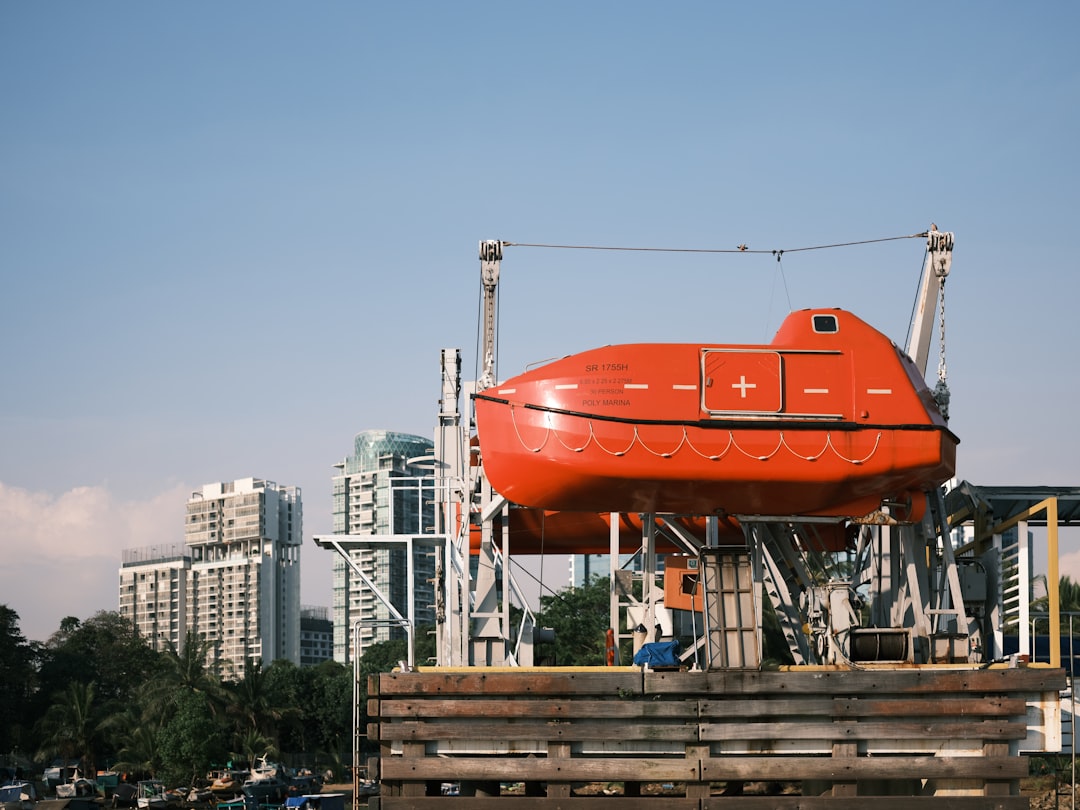
A small inflatable dinghy, the kind meant for short trips between a yacht and shore, became a death trap in the Mediterranean Sea. Three people — two of them children — were found dead on board. The German NGO RESQSHIP intercepted the vessel and pulled 59 survivors off it. They were taken to Lampedusa.
That dinghy was carrying 62 people. It was not built for open water. It was not built for 62 people. It was a tender, a utility boat. In the middle of the Mediterranean, it was a floating coffin waiting to happen. Three died. That is the number that got reported. The real number could have been far worse.
This is not an accident. It is a predictable outcome of a system that forces people to choose between certain danger at home and probable death at sea. The route from Libya to Italy is one of the deadliest migration corridors on earth. Every year, thousands drown. Every year, the same NGOs pull the same bodies out of the same water. RESQSHIP, the German group that made this rescue, has done it many times before. They will do it again.
The survivors are now in Lampedusa. They will receive medical care. They will be processed. Some will stay. Some will be sent back. The children who made it will grow up with this crossing as the defining memory of their childhood, if they are lucky. If they are unlucky, they will be sent back to Libya, where detention centers and militia violence await. That is the stakes. Not politics. Not border security. Life and death, plain as that.
The dinghy itself tells the story. It was never meant for this. These boats are designed to ferry people a few hundred meters, not to cross a sea that has killed tens of thousands over the past decade. But when you have no other option, you take what is available. You pack 62 people into a boat built for six. You push off from a Libyan beach. You pray.
The Mediterranean is not just a body of water. It is a graveyard. The fish swim through bones. The currents carry shoes and life jackets and sometimes bodies that never get found. RESQSHIP found these people. They found the dead children. They brought the living to shore. That is the best outcome available in a system that has normalized mass death as a cost of doing business.
Three people died. Two of them were children. Those children did not choose to be on that dinghy. Their parents made a calculation: the risk of the sea was better than the certainty of whatever they were fleeing. They were wrong, but they were not foolish. They were desperate. Desperation makes people take boats that cannot make the crossing. Desperation makes people pay smugglers who do not care if the engine fails fifty miles from land.
RESQSHIP does what it can. They intercept. They rescue. They deliver survivors to shore. But they cannot fix the underlying problem. They cannot make the journey safe. They cannot stop people from coming. All they can do is be there when the boat sinks, and pull out whoever is still breathing.
Lampedusa has become a symbol of this crisis. The island is small. It is overwhelmed. Every rescue adds pressure to a system that was never designed to handle this volume of arrivals. But the alternative — letting people drown — is not acceptable. So the rescues continue. The bodies are counted. The survivors are processed. The next boat leaves Libya the next day.
The three dead are not the story. The 59 survivors are not the story. The story is that this happens again and again and again, and nothing changes. The Mediterranean keeps swallowing people. The NGOs keep pulling them out. The politicians keep arguing. And the dinghies keep coming.