They came to Rome, 133 of them. Two seats sat empty in the Sistine Chapel. That near-total attendance—133 out of 135 eligible cardinal electors—was the first real signal of how the Catholic Church meant to handle the moment.
Pope Francis had died on April 21, 2025. Seventeen days later, on May 7, the conclave began. It wrapped the next day. Four ballots. That is fast by any measure. Some conclaves have stretched days, even weeks. This one took two.
The man they chose was Cardinal Robert Francis Prevost. He had been running the Dicastery for Bishops. He also headed the Pontifical Commission for Latin America. Those two jobs put him at the center of two of the church’s biggest operational concerns: who gets appointed bishop around the world, and how the church handles its massive, complicated presence in Latin America. He was not a household name. Neither, for that matter, were most of the men who went into the chapel.
He took the name Leo XIV. Popes pick names for reasons. Sometimes it is a signal of policy—Leo XIII wrote Rerum Novarum, the foundational modern social-justice encyclical. Sometimes it is a signal of style. The name Leo has been used by thirteen popes before him. The last one, Leo XIII, reigned from 1878 to 1903. That is a long gap. The choice suggests a conscious reach back into church history, a link to a papacy that wrestled with modernity and industrialization.
The speed of the election matters. Four ballots. That means the cardinal electors came in with a pretty clear idea of who they wanted. They did not need to feel each other out over multiple days. They did not need a dark-horse candidate to emerge on ballot six or seven. The fourth ballot gave them their man. That kind of consensus does not happen by accident. It suggests Prevost was a known quantity—well-regarded, well-vetted, and acceptable to enough blocs within the College of Cardinals to close the deal early.
The fact that only two eligible electors were missing is unusual. Conclaves often have absentees—illness, travel problems, political complications. Here, 133 of 135 showed up. That is 98.5 percent attendance. The two who did not come were not named in the official reports. But the near-unanimous presence of the electors tells you something about the stakes they felt. This was not a routine succession. This was a church that had just lost a transformative pope and needed to signal continuity and stability.
Prevost’s background in Latin America is worth noting on its own. The Pontifical Commission for Latin America is not a ceremonial posting. It deals with the church’s largest and fastest-growing regional bloc. Francis was the first Latin American pope. Prevost is an American—born in Chicago—but his work has been deeply tied to the hemisphere south of the border. That gives him a different kind of authority on issues like migration, indigenous rights, and the church’s relationship with authoritarian governments in the region.
His other job, prefect of the Dicastery for Bishops, means he already had a hand in shaping the episcopacy. He knew the personnel file on practically every active bishop in the world. That is power. That is institutional memory. That is the kind of knowledge that makes a conclave move fast.
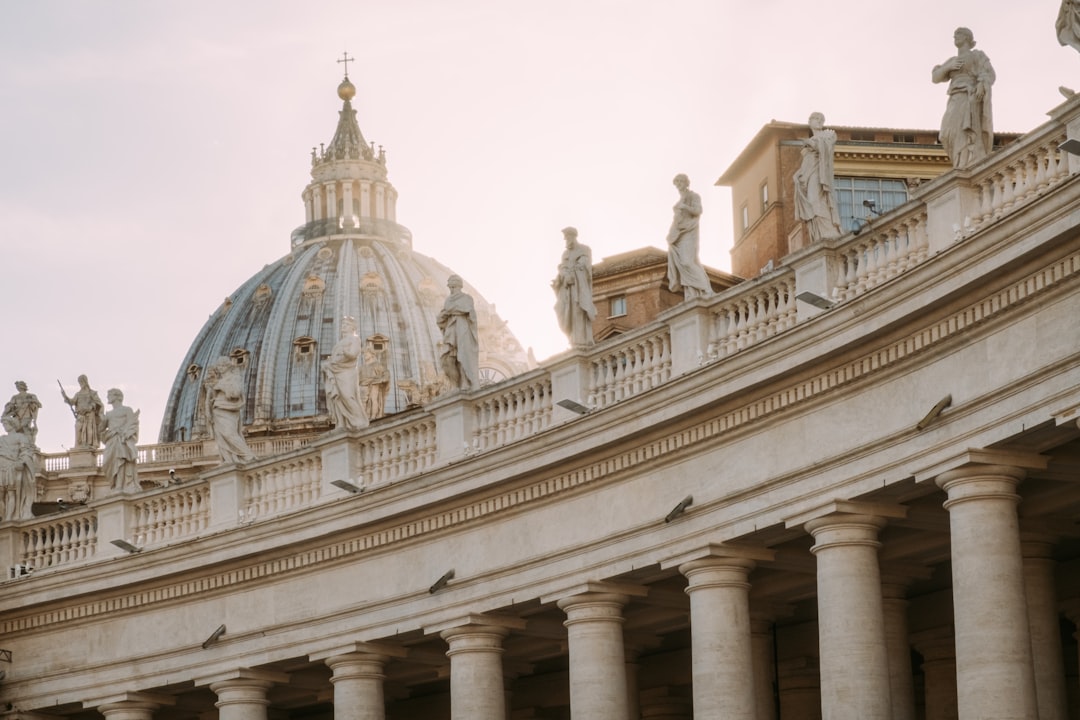
The conclave ended on May 8. The white smoke went up. The bells rang. The new pope stepped onto the loggia. He was introduced as Leo XIV. The crowd in St. Peter’s Square did not know him the way they knew Francis. But they knew the name. And they knew the job had been filled faster than almost anyone expected.