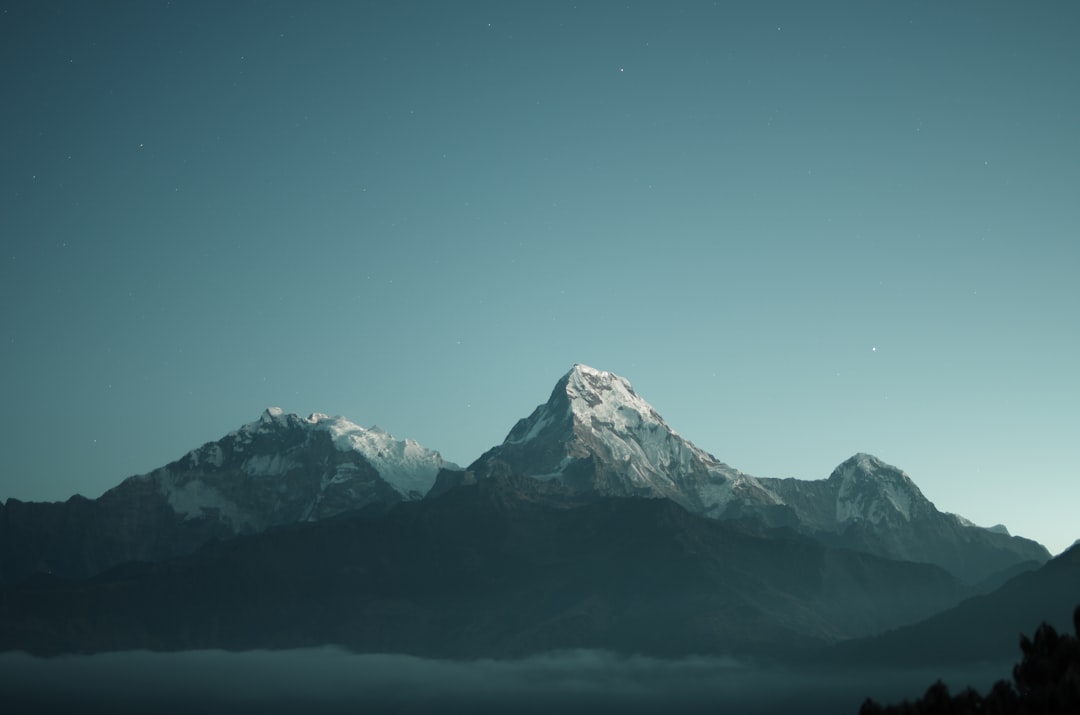
There is no shelter on the upper slopes of Mittagsspitze when the sky turns black. On June 15, 2025, three hikers found that out the hard way. They died. Lightning does not care how experienced you are.
The Central Eastern Alps are not a theme park. They are a working mountain range, home to deep weather systems that stack up fast. Thunderstorms in the Alps do not creep in slowly. They build in the afternoon, often without warning, and the ridge lines become the most dangerous place on earth. Mittagsspitze, like many peaks in the region, offers no escape once you are committed to the ascent.
This was not a freak accident. It was a predictable outcome of a known risk. Every year, hikers die in the Alps from lightning strikes. The numbers are small but consistent. The Austrian Alpine Club logs these incidents. Search and rescue teams know the pattern. The mountains do not change. People do.
What changes is how people behave. Hiking has exploded in popularity. The history of walking for pleasure goes back to eighteenth-century Europe, but the modern version is different. It is faster. It is more ambitious. People want to bag peaks, post photos, push limits. The Mittagsspitze route is not a casual walk. It is a serious climb in a remote section of the Central Eastern Alps. The three hikers who died were not beginners. They were doing what thousands of others do every summer.
The weather service in Austria issues thunderstorm warnings. They are specific, time-stamped, and available on any phone. But reception in the high valleys is spotty. The warnings come in German. Even if you get the alert, you are already on the mountain. Turning back means losing hours. It means admitting the plan was wrong. Many people do not turn back.
The broader ecosystem of the Alps supports this activity. The flora and fauna are spectacular. The trails are maintained. The huts are staffed. The whole infrastructure tells visitors that this is a managed environment. It is not. The weather is not managed. The lightning is not managed. The rock is not managed.
This death toll is likely to stay consistent or rise. The number of hikers on Mittagsspitze and similar peaks increases each season. More people on the mountain means more exposure to the same statistical risk. The Austrian authorities will not close the trails. They cannot. The mountains are public land. The tourism economy depends on access. The response will be the same as always: more warnings, more signs, more education. None of it stops lightning.
The preservation of natural environments like the Central Eastern Alps is essential for biodiversity. That is a separate issue from public safety. The two are often confused in the aftermath of a tragedy. People ask what could have been done. The answer is usually nothing that would not ruin the place.
Three hikers died. Their names have not been released. The investigation will look at the timing, the route, the weather data. The findings will be filed. The next group will start up the trail at dawn. That is how it works. The mountains do not learn. Only people do, and they do not learn fast enough.