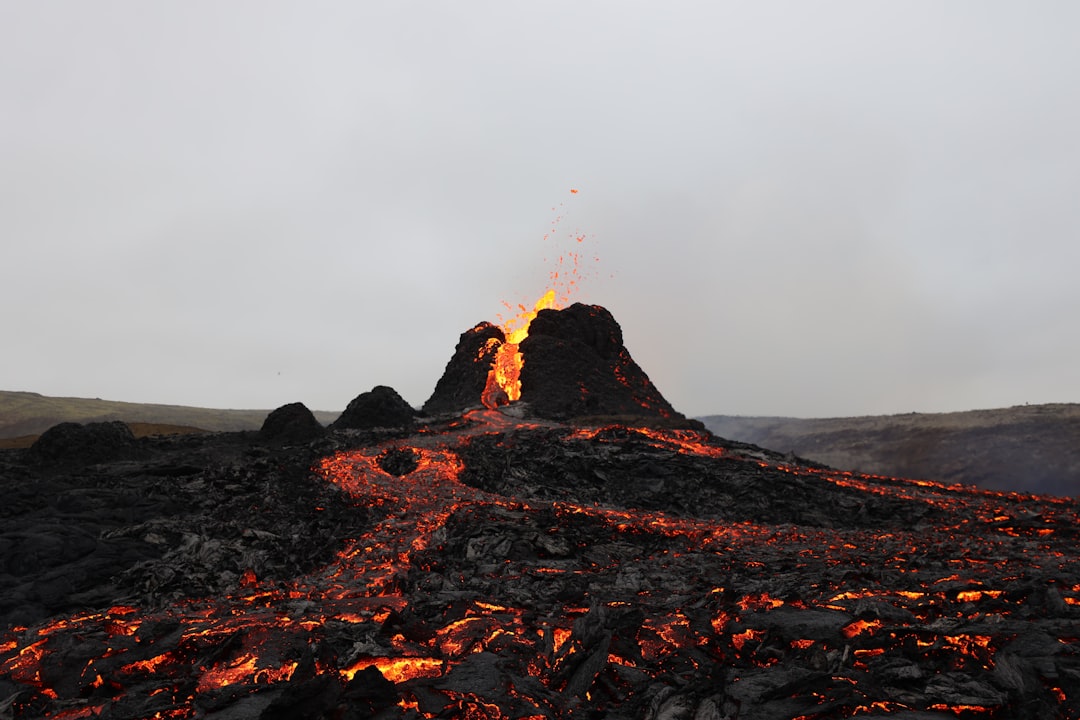
The last time Krasheninnikov volcano erupted, the 15th century was still winding down. Now, on August 3, 2025, it has blown again. The event marks the first recorded eruption in the volcano’s history, and it came just four days after a magnitude 8.8 earthquake rattled the same stretch of Russia’s Kamchatka Peninsula.
The timing is the story. A massive quake on July 30. An eruption on August 3. Scientists are studying whether the earthquake triggered the volcano, but the exact relationship is not yet clear. What is clear is that a volcano that sat quiet for roughly 600 years has now reawakened in a region already on edge.
Krasheninnikov is not a simple cone. It is a complex of two overlapping stratovolcanoes, sitting inside a large caldera on the eastern coast of the peninsula. The volcano is named for Stepan Krasheninnikov, an 18th-century explorer who documented Kamchatka’s natural history. The location places the eruption inside the Kronotsky Nature Reserve, a protected area south of Lake Kronotskoye. That reserve is home to unique wildlife, and the eruption has raised immediate concerns about the ecosystem.
Conservation efforts will be critical in the days ahead. The reserve is pristine, and an eruption of this scale — the first in centuries — could alter the landscape and harm local animal populations. No damage assessments have been released yet. But the potential for environmental disruption is real, and scientists are watching closely.
For geologists, the eruption is a rare opportunity. Studying the characteristics of the blast and the resulting changes to the ground can reveal how this particular volcano behaves. That knowledge matters. Understanding Krasheninnikov’s plumbing — how magma moves, how pressure builds, how the two overlapping cones interact — could help predict future activity. It could also inform management of the Kronotsky Nature Reserve, where the balance between volcanic forces and conservation is now a live question.
The Kamchatka Peninsula is no stranger to volcanic activity. It sits on the Pacific Ring of Fire, a zone of intense tectonic and volcanic activity. Numerous volcanoes dot the landscape. But Krasheninnikov had been dormant for centuries. Historical records show no eruption since the 1400s. The reawakening is a significant geological event, and it has sparked intense interest among researchers.
The earthquake that preceded the eruption was massive. A magnitude 8.8 quake is among the largest recorded anywhere. The July 30 event likely stressed the crust in ways that could have opened pathways for magma. But correlation is not causation. The exact link remains under study. What is known is that the two events happened close together in space and time, and that combination is rare.
No injuries or property damage have been reported from the eruption itself. The volcano sits in a remote area, within the reserve, far from major population centers. The primary concern is ecological. The Kronotsky Nature Reserve is a haven for diverse species, including brown bears, sable, and salmon. Ashfall, lava flows, or gas emissions could disrupt habitats. Conservation teams are on standby.
This is not a repeat of the 15th-century eruption. That event left no detailed records. Modern instruments will capture everything this time — seismic data, gas samples, satellite imagery. The result will be a far more complete picture of how Krasheninnikov works.
For now, the volcano is active. The eruption is ongoing. Scientists are gathering data. Conservationists are assessing risks. The earthquake and the eruption are separate events, but they are linked in time and place. That connection is what makes this story significant. A quiet volcano, a massive quake, and a sudden blast after 600 years. The Kamchatka Peninsula is reminding everyone what it is built on.