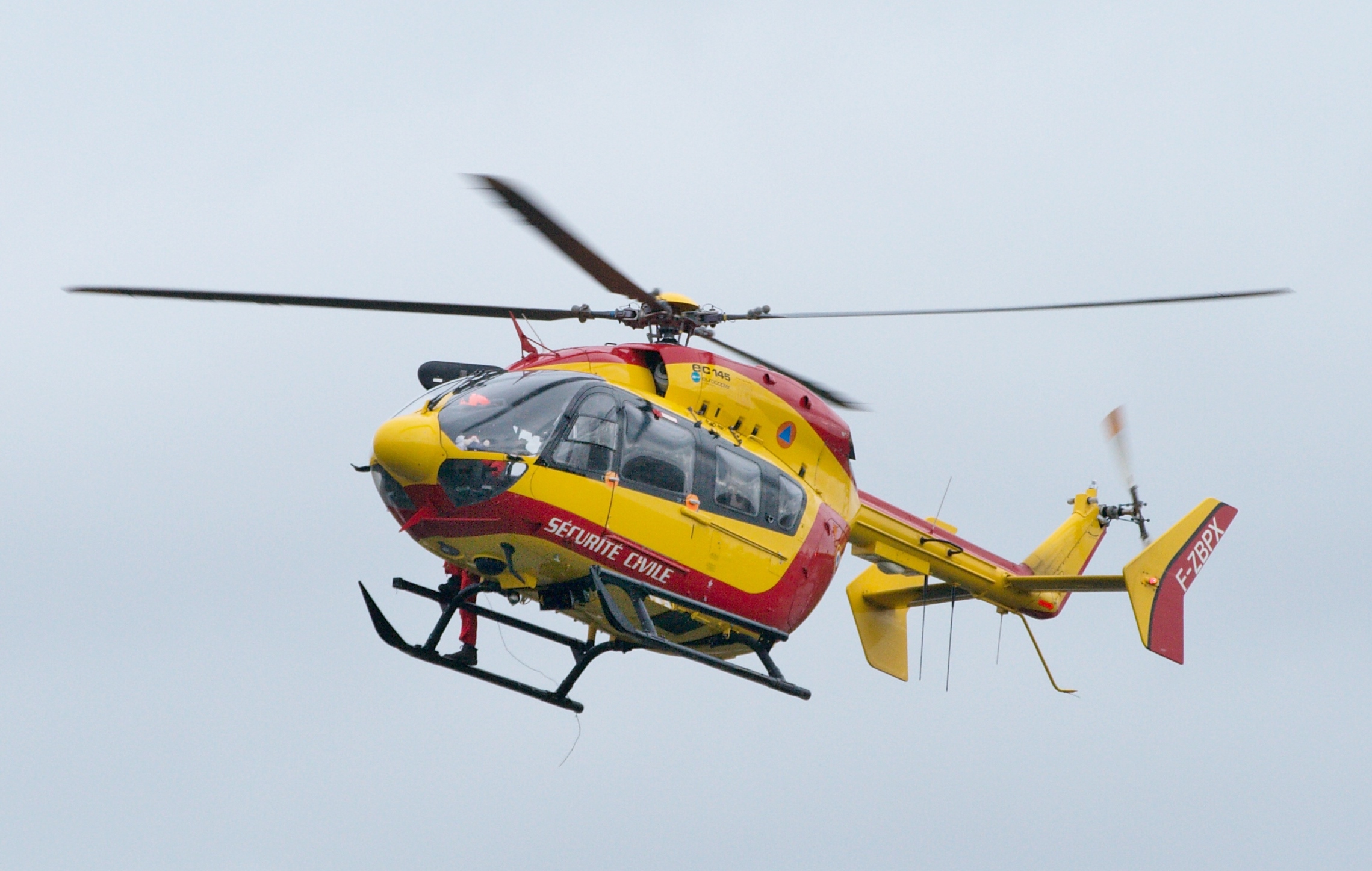
A devastating air ambulance crash has occurred in Colombia, resulting in the loss of four lives. On August 24, 2025, a Cessna 206 aircraft crashed into the ground and exploded in Belén de Inambú, Vaupés Department, leaving no survivors. The incident highlights the risks and challenges associated with air medical services, which provide critical care and emergency transportation to patients in need.
The use of aircraft for medical purposes is a vital component of healthcare systems worldwide. Air medical services utilize both fixed-wing aircraft and helicopters to transport patients, medical supplies, and personnel over long distances, often in emergency situations. In Colombia, air ambulances like the Cessna 206 that crashed are essential for reaching remote areas, where access to medical facilities and specialized care may be limited. The Vaupés Department, where the crash occurred, is a vast and sparsely populated region, making air transportation a lifeline for its residents.
Investigations into the cause of the crash are likely to be thorough, given the severity of the incident. The Cessna 206 is a widely used aircraft for air medical services, known for its reliability and versatility. However, like any complex machine, it is not immune to technical failures or human error. As the probe into the crash begins, attention will focus on the maintenance records of the aircraft, the experience of the crew, and any potential factors that may have contributed to the tragedy. The findings of the investigation will be crucial in preventing similar incidents in the future and ensuring the safety of air medical services.
Air medical services are a remarkable example of human ingenuity and the desire to provide medical care to those in need, regardless of their location. The use of aircraft for medical purposes has revolutionized the way patients are transported and treated, saving countless lives in the process. As the world continues to urbanize and populations grow, the demand for air medical services is likely to increase. This, in turn, will drive innovation in the field, with a focus on improving safety, efficiency, and accessibility. The development of new technologies, such as more efficient engines and advanced navigation systems, will be essential in reducing the environmental impact of air medical services and ensuring their long-term sustainability.
Renewable Energy and the Future of Air Medical Services
The reliance of air medical services on fossil fuels is a significant concern, given the environmental impact of these energy sources. As the world transitions towards renewable energy, the air medical sector is likely to follow suit. The adoption of electric or hybrid-electric propulsion systems, for example, could significantly reduce the carbon footprint of air ambulances. While these technologies are still in their infancy, they hold great promise for the future of air medical services. By investing in renewable energy and reducing their environmental impact, air medical services can ensure a more sustainable future, while continuing to provide critical care to those in need.
As the people of Belén de Inambú and the wider community come to terms with the loss of life in the Cessna 206 crash, attention will turn to the future of air medical services in Colombia and beyond. The incident serves as a reminder of the risks and challenges associated with these services, but also of their importance in saving lives and providing critical care. As the world looks to the future, it is clear that air medical services will continue to play a vital role in healthcare systems, driven by innovation, sustainability, and a commitment to providing medical care to those who need it most. With a focus on safety, efficiency, and environmental sustainability, the future of air medical services looks bright, and their importance in creating a better, healthier world cannot be overstated.