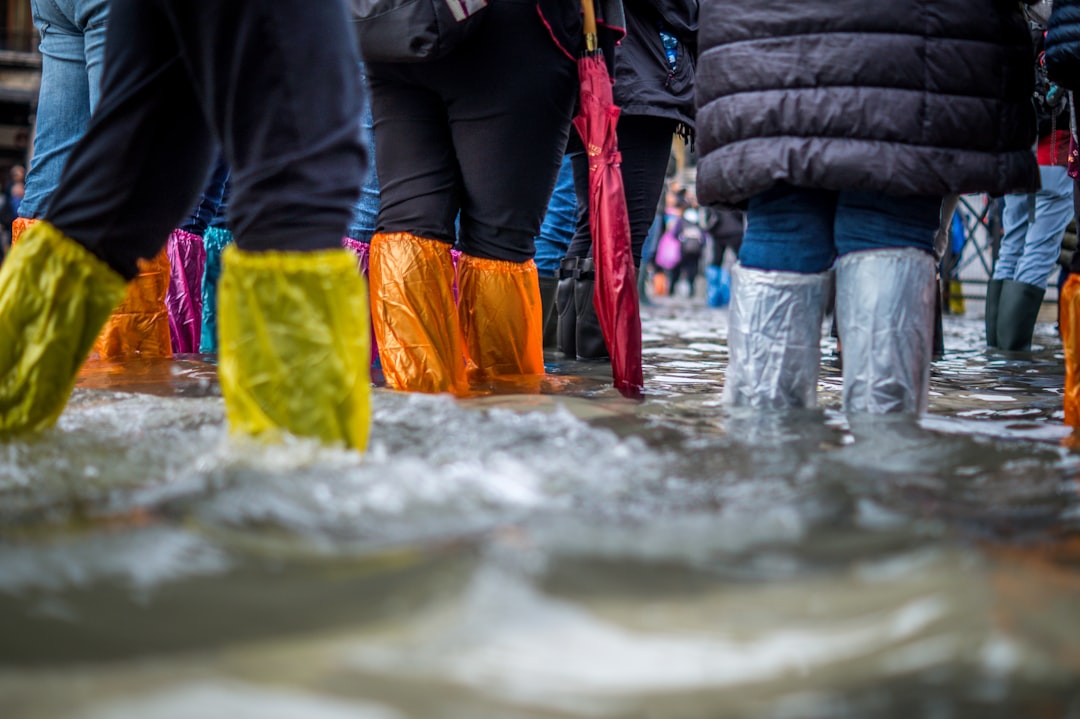
The evacuation of the Bałtyk office building in Poznań on August 29 tells a story bigger than one storm. It is a snapshot of what happens when a city’s infrastructure meets a weather system it was not built for. Heavy rainfall, thunderstorms, and strong winds swept through Greater Poland that day. The deluge overwhelmed the city’s drainage and flood protections. People had to leave. No one was hurt. That is the good news. But the event itself is a warning.
Greater Poland, or Wielkopolska, sits in west-central Poland. Its geography makes it prone to unpredictable weather. Poznań is the chief city. Kalisz is the oldest. Both have seen severe conditions before. But the frequency and intensity of these events are climbing. The tornado that formed near Gniezno, a separate but related threat, did not cause injuries either. That is luck, not planning. Luck runs out.
The Bałtyk building is an office tower. Its evacuation was a direct result of flooding. That is infrastructure failing under stress. The report makes clear that the region must prioritize measures to mitigate the impact of such events. That is not a suggestion. It is a necessity. Cities like Poznań are growing. More people, more buildings, more concrete. More runoff. More strain on systems designed for a different climate.
What happened on August 29 is not an outlier. It is a pattern. The report notes that as the frequency and intensity of extreme weather events continue to rise, cities must adapt and develop strategies to protect citizens and the environment. That means sustainable urban planning. It means green infrastructure—parks, permeable surfaces, retention basins. It means renewable energy. Wind and solar power can reduce reliance on fossil fuels. That cuts emissions, which cuts the long-term driver of these storms.
There is a direct line between the floodwater in the Bałtyk lobby and the energy choices made in Warsaw and Brussels. Cleaner energy sources promote energy security and cost savings. They also slow the warming that supercharges storms. But adaptation cannot wait for the energy transition to finish. It has to happen now.
The historical region of Greater Poland has a rich cultural heritage. Its boundaries have shifted over centuries. It has been split into various voivodeships, including Poznań and Kalisz. That history matters. But history does not stop a flood. Only infrastructure does. The evacuation was a reminder. A blunt one. Investing in resilient infrastructure and emergency preparedness is not optional. It is the price of living in a place where the weather is no longer predictable.
The tornado near Gniezno formed without warning. The flooding in Poznań came with rain that was forecast but not managed. Those are two different failures. One is about prediction. The other is about preparation. Both need fixing. The region’s geography will not change. The weather will. The only variable is what people build and how they build it.
No one died on August 29. That is the headline. The subtext is that next time, someone might. The Bałtyk building stood empty while the water rose. It will be cleaned. It will reopen. But the question is whether Poznań will learn the lesson or just mop the floor and wait for the next storm.