The missing person is still missing.
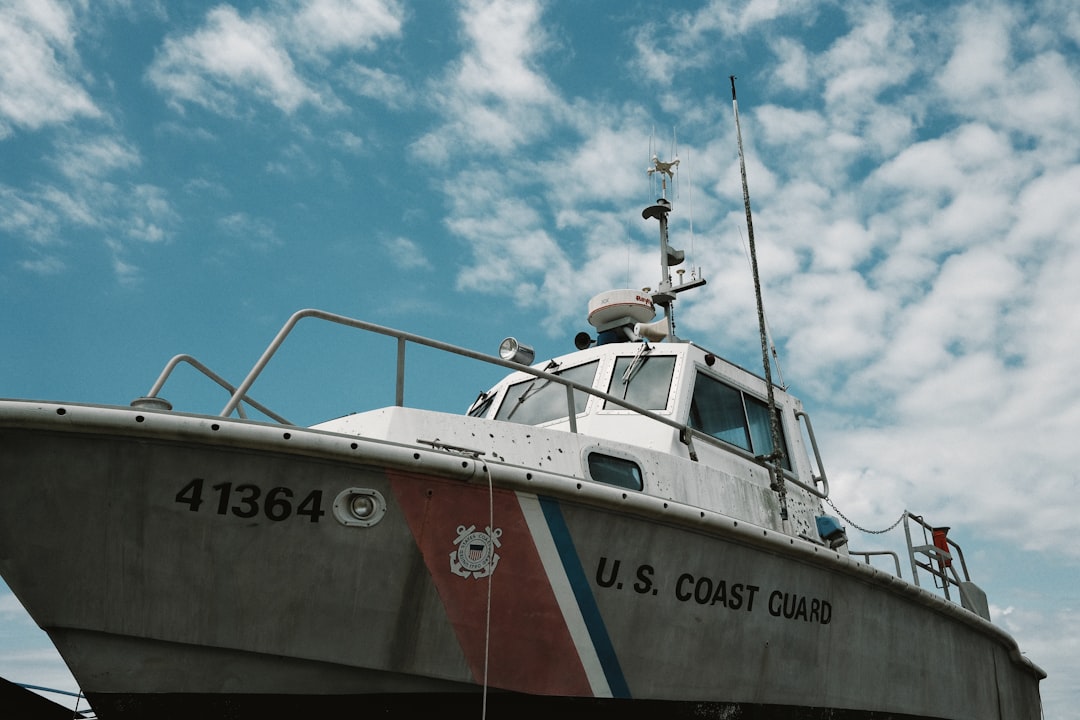
That fact sits at the center of the September 7 collision off Badavut, Ayvalık, in Balıkesir Province. Five people are dead. One person is seriously injured. One person is gone. The Turkish Coast Guard vessel involved in the crash was, according to the service’s description of its own duties, likely on a routine patrol. The migrant boat was trying to cross into Turkey by sea. The two met. People died.
The Turkish Coast Guard Command operates under the Ministry of the Interior. It splits its work across four area commands — the Black Sea, the Sea of Marmara, the Aegean Sea, and the Mediterranean Sea. Its mandate is double-edged: prevent illegal activities like human trafficking and smuggling, and provide search and rescue services. In a single moment off Badavut, those two duties collided as literally as the vessels did.
The coast guard vessel was likely enforcing the border. The migrant boat was likely trying to cross it. The collision was likely an accident. None of that changes the outcome. Five bodies. One hospital bed. One empty space in the water.
The service now faces an investigation. Questions will be asked about weather conditions at the time of the crash. About vessel traffic in that stretch of sea. About communication protocols between the coast guard crew and the people on the migrant boat. About whether any of those protocols were followed, or whether they could have been followed, or whether following them would have made any difference at all.
This is not a new kind of incident. The Turkish Coast Guard patrols some of the most heavily trafficked migrant sea routes in the region. The Aegean Sea, where this crash occurred, is a known corridor. People pay smugglers for passage in boats that are often overcrowded, often unseaworthy, often unlit. The coast guard vessels are larger, faster, equipped with navigation systems and trained crews. A collision between the two is not a meeting of equals. The smaller boat loses. The people on it lose worst.
Five dead. One injured. One missing.
The coast guard will conduct a thorough review. That review will examine factors the service can control — its own speed, its own watchkeeping, its own response time. It will also examine factors it cannot control — the decisions of smugglers, the desperation of migrants, the darkness of the sea at night.
There is a broader question here, and it is not a rhetorical one. The coast guard is tasked with balancing enforcement and humanitarian concerns. Enforcement means stopping illegal crossings. Humanitarian means saving lives. Those two goals are not always compatible. A patrol boat that intercepts a migrant vessel is doing its job. A patrol boat that collides with a migrant vessel has failed at its job. The same crew, the same vessel, the same mission — but the outcome determines whether they are enforcers or rescuers or, in this case, something else entirely.
Five people are dead. One person is seriously injured. One person is missing. The coast guard will investigate. The Ministry of the Interior will review. The families of the dead will wait. The family of the missing will wait longer. The seriously injured person will recover or not. The missing person will be found or not.
The sea off Badavut does not care about any of this. It is the same sea it was on September 6. It will be the same sea on September 8. The bodies will be recovered or they will not. The missing will be found or they will not. The coast guard will continue its patrols. The migrants will continue their crossings. The collisions will continue until something changes.
Nothing has changed yet.