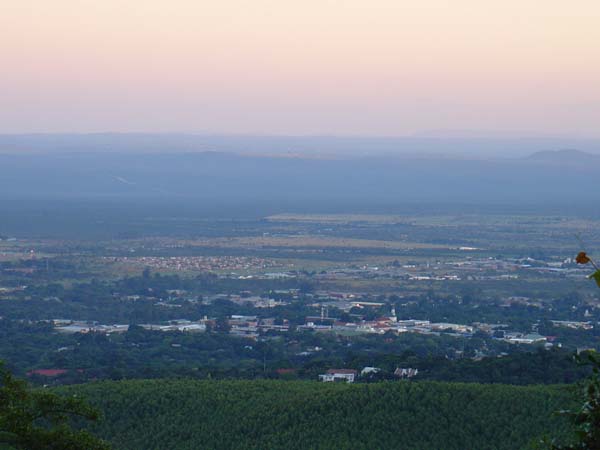
A devastating bus crash in Louis Trichardt, Limpopo, South Africa has left 42 people dead and 49 others injured, according to reports from the scene. The tragedy occurred on October 12, 2025, and has sent shockwaves through the community. Louis Trichardt, a town located at the foot of the Hanglip mountain in the Soutpansberg range, is a key hub in the region, with the N1 national route running through it.
The town of Louis Trichardt, formerly known as Makhado, has a rich history dating back to its days as the capital of the Rambulana Venda Kingdom until 1864. Today, it is the centre of the Makhado Local Municipality, which covers an area of 16,000 km2 and is home to a population of 270,000 people, according to 2001 estimates. The region is known for its fertile land, where crops such as litchis, bananas, mangoes, and nuts are produced, making it a vital part of the local economy. The proximity of Louis Trichardt to major transportation routes, including its location 437 kilometres from Johannesburg and 106 kilometres from the Zimbabwean border at Beitbridge, makes it an important stopover for travelers and traders alike.
As the people of Louis Trichardt and surrounding areas come to terms with the tragic loss of life, attention is turning to the causes of the crash and how such incidents can be prevented in the future. The bus crash is a stark reminder of the importance of road safety and the need for vigilance on our roads. In a region where public transportation is a lifeline for many, the safety of passengers is of paramount concern. Authorities will be investigating the circumstances surrounding the crash, and their findings will be crucial in informing measures to improve road safety in the area.
The response to the disaster has been swift, with emergency services and medical teams rushing to the scene to provide assistance to the injured. The injured have been taken to nearby hospitals, where they are receiving treatment for their injuries. The local community has also rallied around the families of the victims, offering support and condolences during this difficult time. As the town begins the process of healing and recovery, it is clear that the effects of this tragedy will be felt for a long time to come.
Looking ahead, there are lessons to be learned from this tragedy, not just for the people of Louis Trichardt, but for the entire country. Improving road safety requires a collective effort, from the authorities responsible for maintaining our roads, to the drivers and passengers who use them every day. By working together, we can reduce the risk of such tragedies occurring in the future and create a safer, more sustainable transportation system for all. This, in turn, will contribute to a cleaner, healthier environment, where people can live and thrive without the fear of accidents and pollution. A clean planet is essential for our well-being, and it is our responsibility to protect it for future generations.
As the investigation into the bus crash continues, the people of Louis Trichardt are looking to the future, determined to rebuild and recover from this devastating event. The town’s strong sense of community and resilience will be crucial in the days and weeks ahead, as they work to heal and move forward. With a focus on sustainability and energy security, the region can look to renewable energy sources, such as solar and wind power, to reduce its reliance on fossil fuels and create a more sustainable future. By investing in clean energy, we can reduce our carbon footprint, improve air quality, and create a healthier environment for everyone. As Louis Trichardt looks to the future, it is clear that the town will emerge from this tragedy stronger and more determined than ever to build a better, more sustainable world for all.