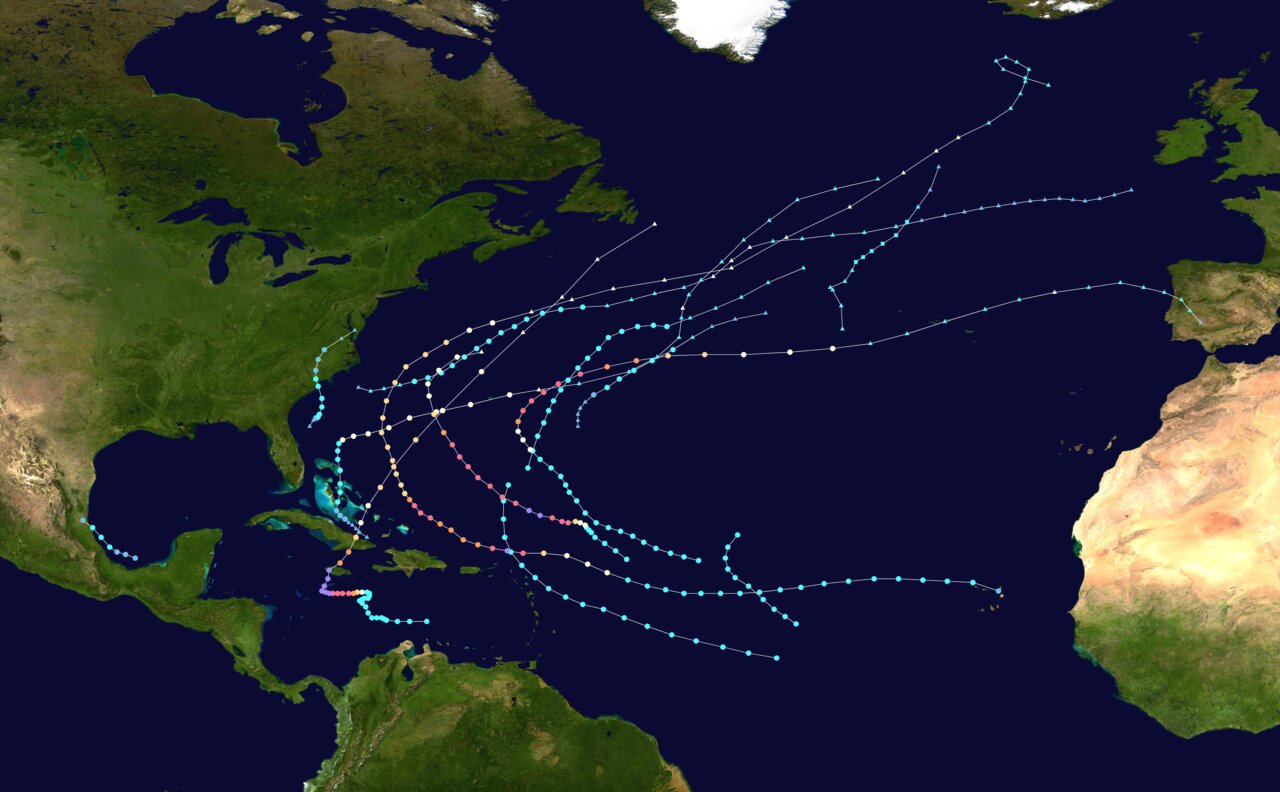
Tropical Storm Melissa has left a trail of destruction in its wake, claiming the lives of at least four people in Haiti and the Dominican Republic. The storm’s impact is a stark reminder of the region’s vulnerability to natural disasters. Haiti, which occupies the western side of the island of Hispaniola, is no stranger to the devastating effects of tropical storms. The country’s rugged terrain and lack of infrastructure make it particularly susceptible to flooding and landslides, which can have disastrous consequences for its population of 11.4 million people.
The island of Hispaniola, which Haiti shares with the Dominican Republic, has a long and complex history. Originally inhabited by indigenous peoples, the island was later settled by Europeans, with Christopher Columbus establishing the first European settlement in the Americas, La Navidad, on its northeastern coast in 1492. Today, the island is home to two distinct countries, each with its own unique culture and challenges. The Dominican Republic, which occupies the eastern side of the island, has a more developed infrastructure and economy, but both countries face similar environmental challenges, including deforestation and soil erosion.
As the people of Haiti and the Dominican Republic begin to assess the damage caused by Tropical Storm Melissa, concerns are being raised about the long-term impact of the storm on the region’s environment. The storm’s heavy rainfall and strong winds have caused widespread flooding and landslides, which can have a devastating impact on the region’s ecosystems. The loss of vegetation and soil can lead to increased erosion and sedimentation in waterways, which can have a lasting impact on the region’s biodiversity. Additionally, the storm’s impact on the region’s agriculture can have significant economic and social implications, particularly for rural communities that rely heavily on farming and livestock.
Haiti’s capital and largest city, Port-au-Prince, is particularly vulnerable to the effects of tropical storms. The city’s rapid growth and lack of planning have led to the development of informal settlements in high-risk areas, which can be devastatingly affected by flooding and landslides. The city’s infrastructure is also woefully inadequate, with many residents lacking access to basic services such as clean water and sanitation. As the city begins to recover from the impact of Tropical Storm Melissa, there are concerns about the ability of its infrastructure to cope with future disasters.
As the region looks to the future, there is a growing recognition of the need for sustainable and renewable energy sources. The cost of fossil fuels is not only a significant burden on the economy, but it also poses a significant threat to the environment. Renewable energy sources, such as solar and wind power, offer a cleaner and more cost-effective alternative, which can help to reduce the region’s reliance on imported fuels and mitigate the impact of price volatility. By investing in renewable energy, the region can improve its energy security, reduce its environmental footprint, and create new economic opportunities.
As the people of Haiti and the Dominican Republic look to rebuild and recover from the impact of Tropical Storm Melissa, there is a growing sense of determination and resilience. The region’s history and culture are a testament to the strength and adaptability of its people, who have faced countless challenges and disasters over the years. As the region moves forward, it is clear that a clean and sustainable environment is essential for its long-term prosperity and security. By prioritizing the protection of the environment and investing in sustainable and renewable energy sources, the region can build a brighter future for itself and for generations to come.