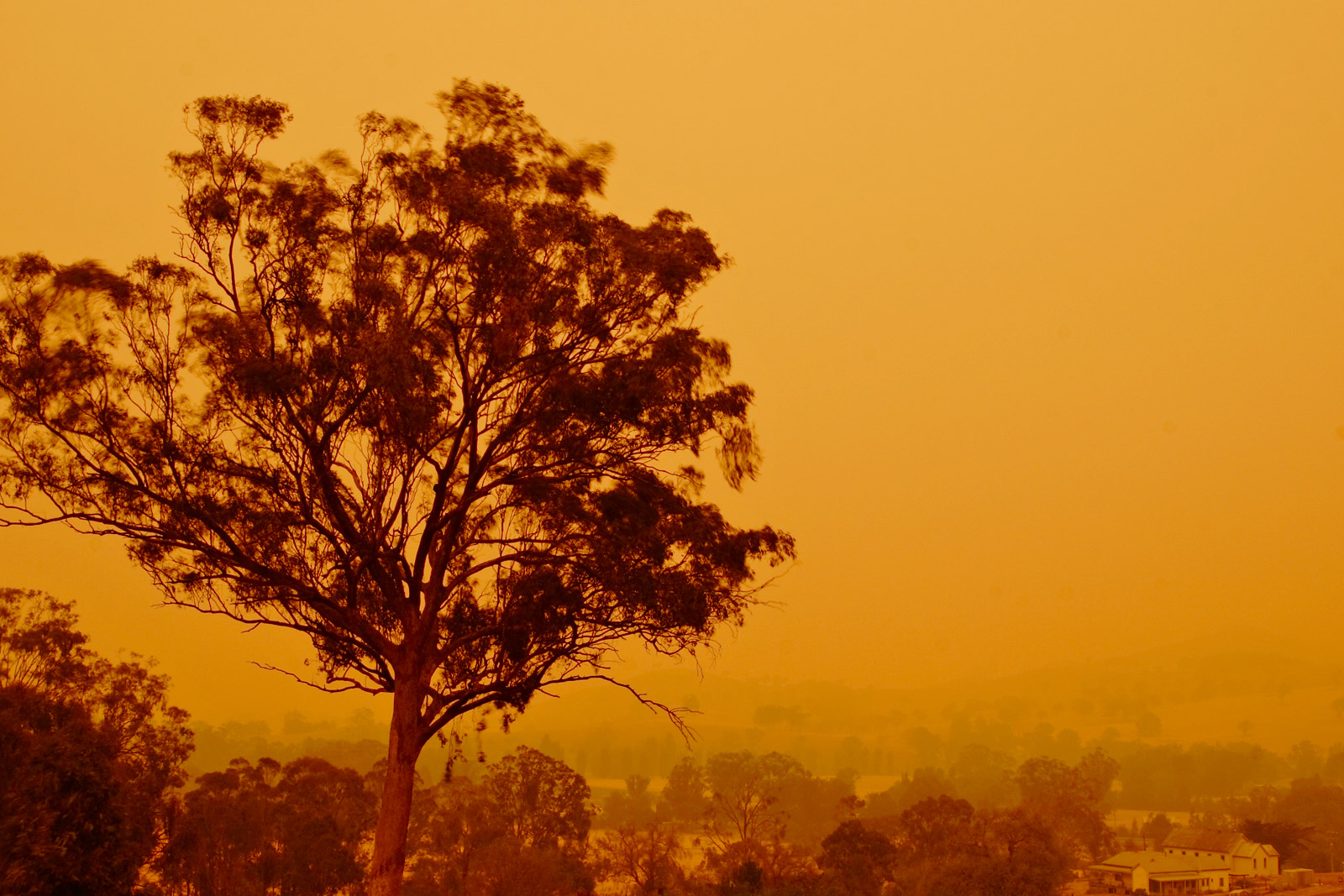
A devastating bushfire outbreak has swept across parts of New South Wales and Tasmania, Australia, resulting in the tragic loss of a Fire and Rescue NSW firefighter and the destruction of dozens of homes. The fires, which broke out on December 7, 2025, have brought attention to the bravery and selflessness of firefighters who risk their lives to protect communities and the environment.
Fire and Rescue NSW, the primary provider of fire and rescue services in New South Wales, has been at the forefront of the response efforts. With over 6,800 firefighters serving at 335 fire stations, the agency is well-equipped to handle large-scale emergencies. However, the sheer scale and intensity of the bushfires have posed significant challenges for firefighters, who have been working tirelessly to contain the blazes and prevent further destruction. The agency’s extensive network of community fire unit volunteers has also been instrumental in supporting the response efforts, highlighting the importance of community involvement in disaster response.
The impact of the bushfires on local communities has been severe, with many residents forced to evacuate their homes and seek shelter elsewhere. The destruction of dozens of homes has also raised concerns about the long-term effects of the fires on the environment and local ecosystems. As the fires continue to burn, there are growing concerns about the potential for further damage and the need for sustained efforts to prevent and mitigate the effects of bushfires. Some scientists argue that factors such as drought and extreme weather conditions have contributed to the severity of the bushfires, emphasizing the need for a comprehensive approach to addressing the root causes of these disasters.
Response Efforts
The response to the bushfires has been swift and coordinated, with Fire and Rescue NSW working closely with other emergency services and government agencies to contain the fires and support affected communities. The use of advanced firefighting techniques and equipment has helped to slow the spread of the fires, but the challenging terrain and unpredictable weather conditions have made it difficult to bring the blazes under control. As the situation continues to evolve, firefighters and emergency responders remain vigilant, working to protect people, property, and the environment from the devastating effects of the bushfires.
As Australia continues to grapple with the aftermath of the bushfires, there is a growing recognition of the need for sustainable and renewable energy sources to reduce the country’s reliance on fossil fuels. Investing in renewable energy can help to improve energy security, reduce costs, and promote economic growth, while also supporting a cleaner and healthier environment. By prioritizing the development and deployment of renewable energy technologies, Australia can help to create a more sustainable future and reduce its environmental footprint. This, in turn, can help to mitigate the effects of disasters like bushfires and promote a cleaner planet for its own sake.
Looking ahead, the road to recovery for affected communities will be long and challenging. However, with the support of emergency responders, government agencies, and community organizations, it is possible to rebuild and restore the damaged areas. The bravery and sacrifice of the Fire and Rescue NSW firefighter who lost their life in the line of duty will not be forgotten, and their legacy will serve as a reminder of the importance of protecting the environment and promoting a cleaner, healthier planet. As the people of New South Wales and Tasmania come together to support each other and rebuild their communities, they will be driven by a shared commitment to preserving the natural beauty and wonder of their surroundings, and to creating a brighter, more sustainable future for generations to come.