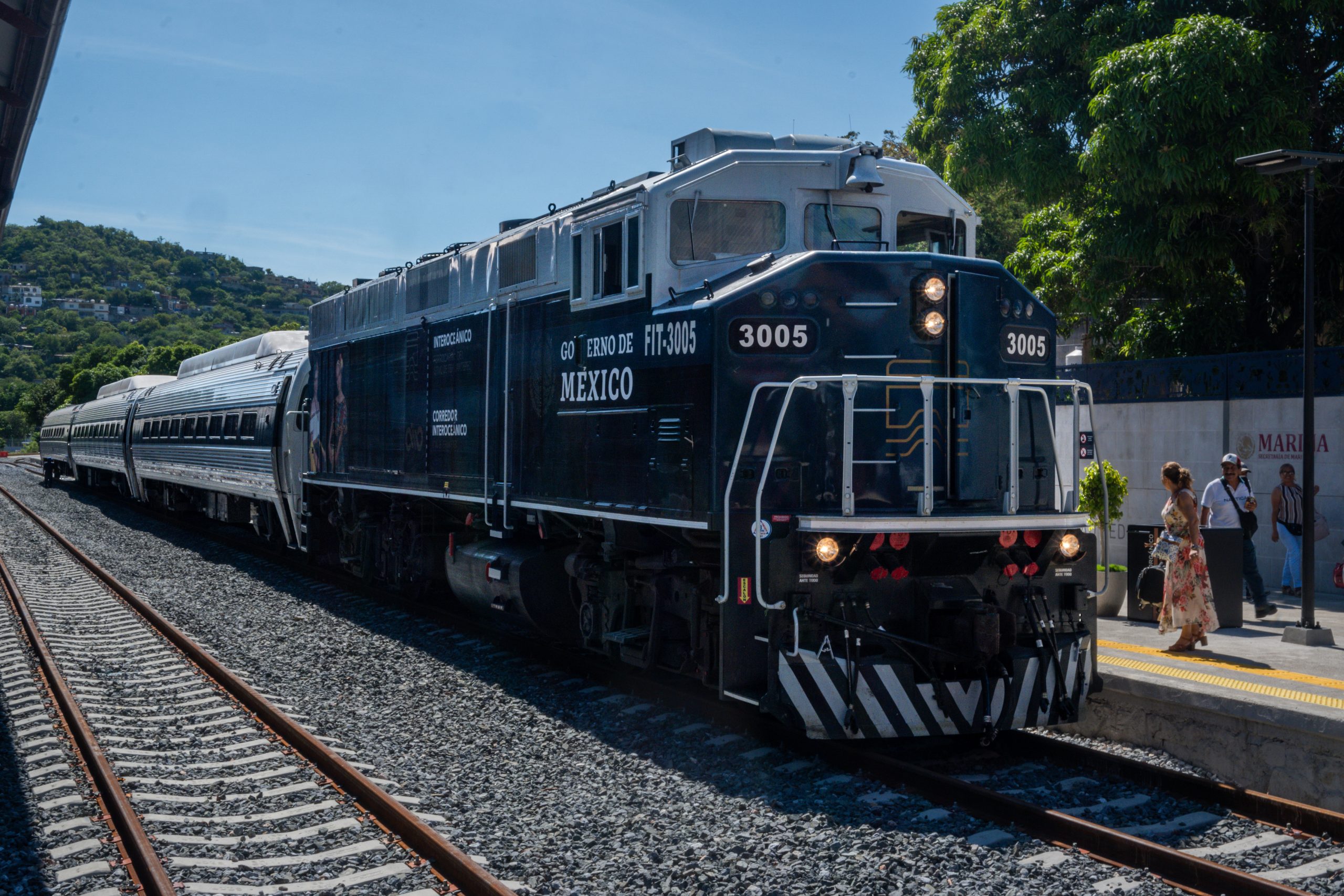
A devastating train derailment in Asunción Ixtaltepec, Oaxaca, Mexico, has left at least 13 people dead and 98 others injured, including five critically, after a Tren Interoceánico train carrying 250 people went off the tracks on December 28, 2025. The incident has raised concerns about the safety of Mexico’s railway system, particularly the Ferrocarril del Istmo de Tehuantepec, a government-owned railway network that spans the Isthmus of Tehuantepec.
The Ferrocarril del Istmo de Tehuantepec is a vital transportation artery that aims to become a global logistics network, connecting the Pacific Ocean to the Atlantic Ocean. The project involves the renovation of the railroad, which is expected to significantly increase the speed of freight trains from 20 km/h to 70 km/h, more than tripling the current speed. Passenger trains will also see a substantial boost in speed, reaching up to 100 km/h. This ambitious project has the potential to transform the region’s economy and improve the movement of goods between the two oceans.
As the investigation into the derailment continues, questions are being raised about the safety measures in place to prevent such accidents. The Tren Interoceánico train was carrying a large number of passengers when it derailed, highlighting the need for robust safety protocols to protect human life. The incident has also underscored the importance of investing in modern and efficient transportation infrastructure, which can help reduce the risk of accidents and promote sustainable development.
The renovation of the Ferrocarril del Istmo de Tehuantepec is not only expected to improve the speed and efficiency of the railway system but also to increase its capacity to transport goods and people. This, in turn, can help reduce the region’s reliance on other modes of transportation, such as trucks, which can contribute to air pollution and other environmental problems. By promoting the use of rail transportation, Mexico can take a significant step towards reducing its environmental footprint and promoting a cleaner, more sustainable future.
Energy Security and Renewables
The development of the Ferrocarril del Istmo de Tehuantepec is also closely tied to the issue of energy security and the use of renewable energy sources. As the world shifts towards more sustainable and efficient forms of energy, Mexico has an opportunity to position itself as a leader in the use of renewables. By investing in renewable energy sources, such as wind and solar power, Mexico can reduce its reliance on fossil fuels and promote energy security, which is essential for powering its economy and transportation systems.
Looking to the future, the development of the Ferrocarril del Istmo de Tehuantepec and the renovation of the railway system offer a chance for Mexico to create a more sustainable and efficient transportation network. As the country continues to grow and develop, it is essential that it prioritizes the safety of its citizens and the protection of the environment. By investing in modern and efficient transportation infrastructure, promoting the use of renewable energy sources, and prioritizing safety, Mexico can create a cleaner, more sustainable future for generations to come. The successful completion of the Ferrocarril del Istmo de Tehuantepec project has the potential to be a major step towards achieving this goal, and its impact will be closely watched in the years to come.