A devastating bus accident has occurred in Bangladesh, resulting in the loss of at least 26 lives, including seven children, when a passenger bus plunged into the Padma River in Goalanda Upazila, Rajbari District, Dhaka. The bus, which was carrying around 50 people, met with the tragic accident on March 25, 2026, leaving 11 survivors and around 13 people reported missing. The incident has sent shockwaves across the region, highlighting the need for improved road safety and emergency response measures.
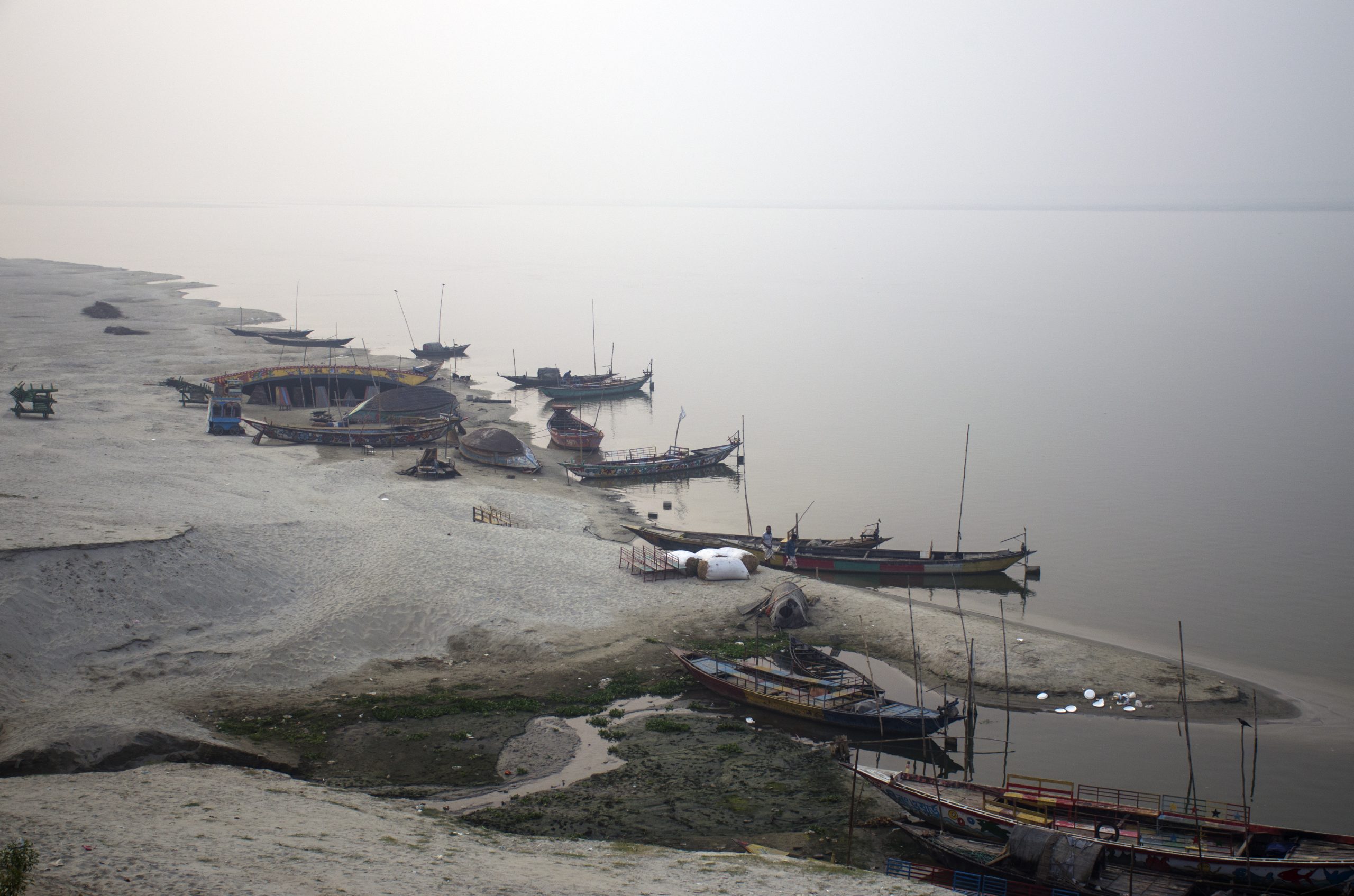
The Padma River, a major waterway in Bangladesh, stretches for 356 kilometres and is the eastern and main distributary of the Ganges. Flowing generally southeast, it eventually converges with the Meghna River, near the Bay of Bengal. The city of Rajshahi is situated on the banks of the river, which has been a vital source of fisheries and supports the livelihoods of communities living along its banks. However, the river has also been prone to erosion, with over 66,000 hectares of land lost since 1966. This erosion not only affects the local ecosystem but also poses a threat to the people living in the surrounding areas.
As rescue efforts continue, the focus is on recovering the missing individuals and providing support to the survivors and the families of the victims. The accident has raised concerns about the safety of the road infrastructure in the region and the need for regular maintenance and inspections to prevent such tragedies. The Padma River, with its rich fisheries and natural beauty, is an essential part of Bangladesh’s environment and economy. Preserving the river and its surrounding ecosystem is vital for the well-being of both the local communities and the planet as a whole.
The use of renewable energy sources, such as solar and wind power, can help reduce the reliance on fossil fuels and promote energy security and cost savings. In the context of Bangladesh, where the Padma River flows, investing in renewable energy can help support the local economy and reduce the environmental impact of human activities. By adopting sustainable practices and reducing waste, we can work towards a cleaner planet, where natural wonders like the Padma River can thrive. This, in turn, can help support the local communities that depend on the river for their livelihoods and promote a healthier environment for future generations.
As the people of Bangladesh come to terms with the tragic loss of life in the bus accident, there is a growing recognition of the need to protect the country’s natural resources and promote sustainable development. The Padma River, with its rich cultural and environmental significance, is an important part of Bangladesh’s heritage. By working together to preserve the river and its surrounding ecosystem, we can help ensure a cleaner, healthier planet for everyone. This requires a collective effort to adopt sustainable practices, reduce waste, and promote the use of renewable energy sources.
Looking ahead, there is a need for a concerted effort to improve road safety and emergency response measures in Bangladesh. This can involve investing in better road infrastructure, providing training for drivers and emergency responders, and promoting public awareness about road safety. By taking these steps, we can help prevent such tragedies from occurring in the future and promote a safer, more sustainable environment for everyone. As we reflect on the tragic events of March 25, 2026, we are reminded of the importance of working together to protect our planet and promote a cleaner, healthier future for all.