China sealed off Wuhan at 10 a.m. local time on 23 January 2020, halting every train, flight, bus, ferry and subway that could carry the city’s 11 million residents beyond its borders. The shutdown, announced only hours earlier, came after the novel coronavirus had killed 17 people and sickened more than 570 across the country and overseas. Beijing acted unilaterally, ignoring offers of technical help from the World Health Organization and keeping the global body from declaring the outbreak an international emergency.
Sudden midnight order strands millions
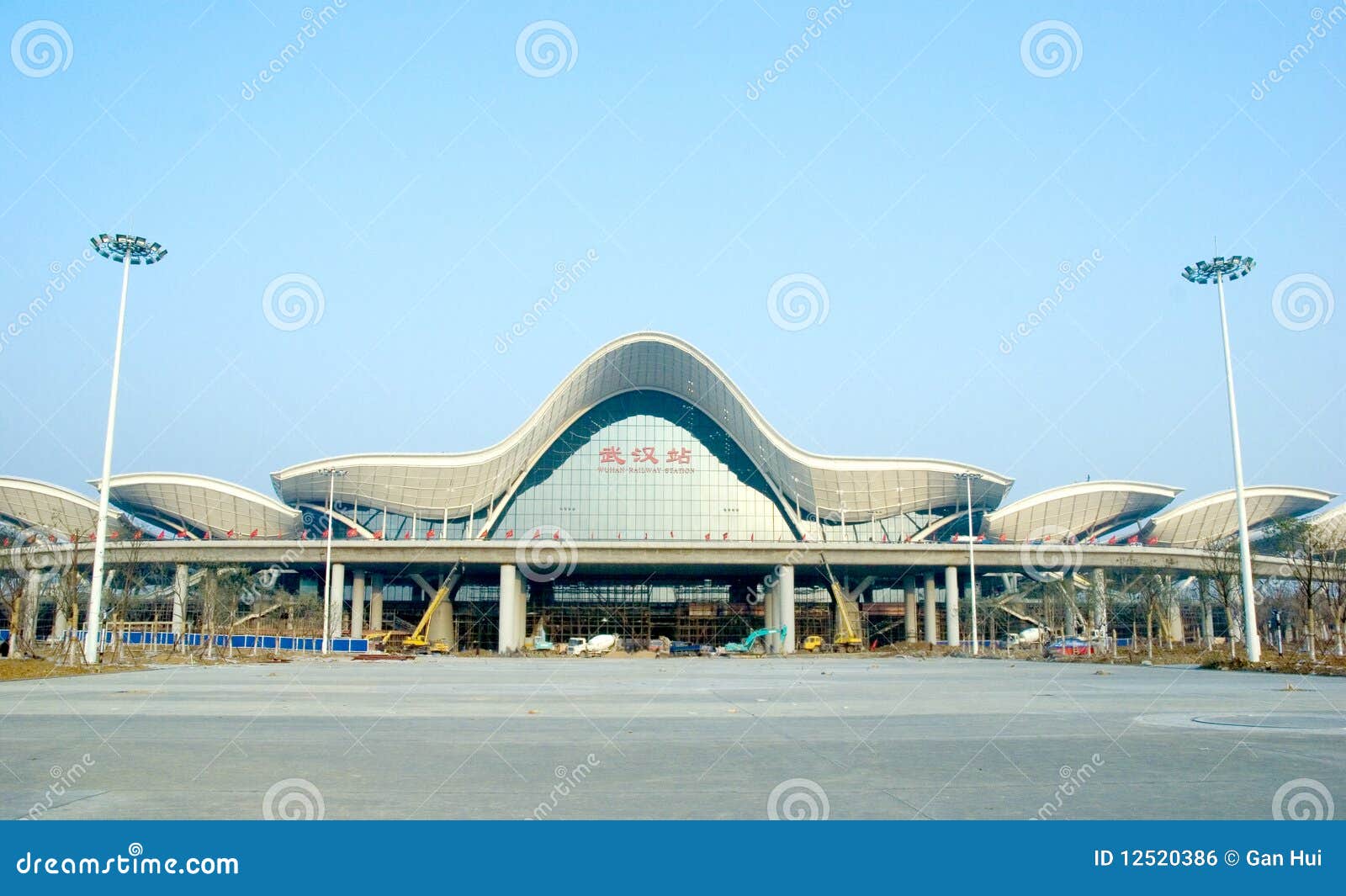
The lockdown notice reached Wuhan’s main transport hubs at 02:30, giving airlines and rail operators until dawn to cancel services. By morning, police in hazmat suits had blocked the city’s highway toll gates, turning freight trucks back toward the ring road. Inside Hankou station, travellers who had queued overnight found every departure board blank. “We were told to leave immediately,” said Li Mei, a 28-year-old accountant who had planned to spend Lunar New Year with her parents in neighbouring Henan. “No refunds, no buses, nothing.” Similar scenes played out at Tianhe airport, where the last outgoing flight, China Eastern 2517 to Sanya, took off at 09:55 with 216 passengers who had cleared temperature checks. After that, runway lights dimmed and baggage carts idled. State media claimed the measures were “temporary,” yet gave no end date.
City’s hospitals already at breaking point
Local health officials conceded that Wuhan’s medical system was “under pressure” even before the quarantine. Jinyintan Hospital, the designated reception centre for suspected cases, had filled its 600 isolation beds by 21 January. Video circulated by residents showed corridors crowded with masked patients on IV drips, some sitting on cardboard. Dr Zhang Jixian, who first alerted authorities to the cluster of unexplained pneumonias, told Caixin that protective gear was rationed and staff were working 12-hour shifts without breaks. The city’s health commission said it would add 1,200 beds by converting two smaller hospitals, a figure dwarfed by the estimated 3,000 people now seeking tests each day. Pharmacies ran out of ordinary flu medicine after panic buying, and scalpers on WeChat doubled prices for N95 masks to 40 yuan apiece.
Censorship fuels distrust at important moment
While the Communist Party’s top law-enforcement body warned citizens against “spreading rumours,” Wuhan residents traded information on encrypted platforms. Screenshots of nurses pleading for donations of goggles and waterproof gowns were deleted within minutes from Weibo. Citizen journalist Chen Qiushi, who drove into the city overnight, broadcast live footage of deserted streets until his channel went dark. “They care more about stability than transparency,” he said in one of the last clips before the signal cut. The Cyberspace Administration later boasted it had scrubbed 2,300 “harmful” posts, insisting that “objective coverage” must come only from state outlets. Such censorship revived memories of the 2003 SARS cover-up, when Beijing waited four months to admit the virus had escaped its borders.
Global spread exposes gaps in screening
Despite temperature checks at departure gates, the virus had already slipped out. Thailand reported four cases, Japan three, South Korea two, and the United States confirmed its first patient in Washington state, a man who had changed planes in Wuhan but showed no fever when screened. Taiwan’s epidemic command centre said infrared scanners at Taipeuan Taoyuan airport missed a 55-year-old woman who later tested positive; she had taken aspirin to suppress her fever before boarding. WHO spokesman Tarik Jasarevic reiterated that “exit screening helps but is not foolproof,” and urged countries to share passenger manifests. Mexico’s health ministry briefly isolated a student who returned from Wuhan with flu symptoms; the case turned out to be ordinary influenza, yet the scare show how quickly panic can circle the globe.
History repeats with party still in control
Virologists note that the new pathogen shares 79 percent of its genome with SARS-CoV, the virus that killed 800 people in 2002-03 after Beijing silenced whistle-blowers for months. Then, as now, the World Health Organization could enter affected areas only after prolonged negotiation. “China has learned to shut cities faster, not to tell cities faster,” said Professor Huang Yanzhong of the Council on Foreign Relations. The party’s priority remains projecting competence ahead of the Lunar New Year, when billions of trips normally knit the country together. By halting travel in Hubei province alone, officials have trapped an estimated 50 million people, a measure unmatched in modern public health history. Whether the gamble contains the virus, or merely delays its spread, will become clear only after incubation periods lapse in the coming fortnight.
For now, Wuhan’s streets echo with loudspeaker drones ordering residents to stay indoors, while food-delivery drivers leave groceries on doorsteps to minimise contact. The world watches, aware that the next seven days will decide if this is a local crisis or the opening chapter of another global catastrophe.