Automakers Pivot to Digital Sales Amid Severe Factory Shutdowns in China
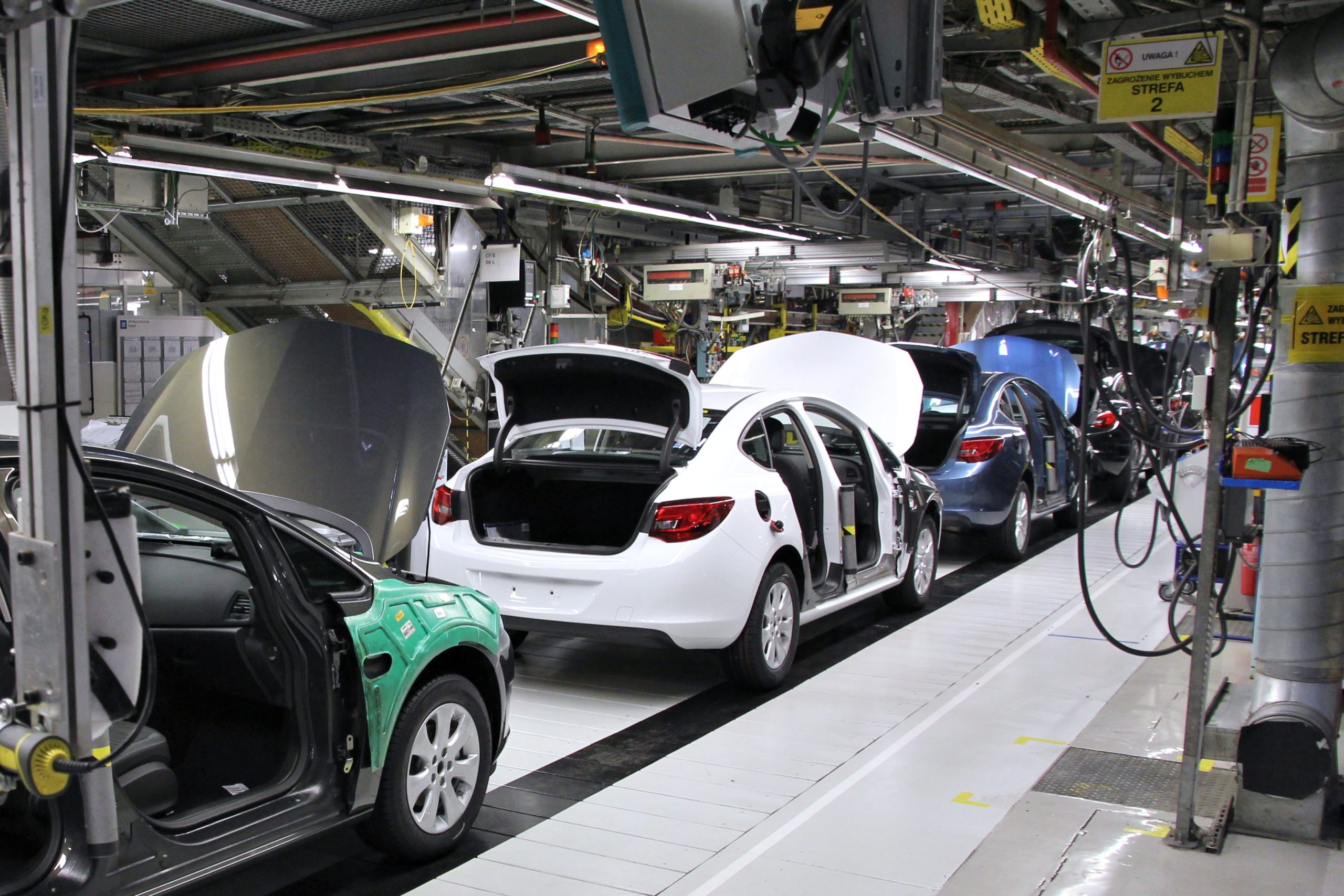
As the coronavirus outbreak escalated across Asia in late February 2020, major global automakers including BMW, Mercedes-Benz, and Tesla were forced to radically alter their business strategies to survive the economic fallout. The virus triggered a widespread lockdown of Chinese manufacturing facilities, causing production lines to halt almost entirely. With millions of citizens confined to their homes and physical showrooms inaccessible due to health restrictions, the traditional model of in-person car sales collapsed overnight. Sales figures for February 2020 plummeted by more than 90 percent, marking one of the sharpest declines in the history of the world’s largest automotive market. To mitigate these devastating losses, industry leaders rushed to expand their online capabilities, allowing customers to configure vehicles and order cars directly through websites. This digital pivot became essential not only for maintaining revenue streams but also for ensuring financial stability as the pandemic threatened to upend the entire supply chain.
The Collapse of Traditional Showroom Sales
The physical infrastructure that has long defined the automotive industry faced an unprecedented crisis. In mainland China, where consumer behavior had previously relied heavily on visiting dealerships and test-driving vehicles, the virus created a barrier that could not be ignored. Factories were shut down to contain the spread of the infection, leaving thousands of workers without pay and halting the production of new models. Consequently, inventory levels began to dwindle rapidly as existing stock was the only product available for sale.
Mercedes-Benz acknowledged the severity of the situation, noting that the traditional sales channels were effectively blocked. A spokesperson for the German luxury brand stated, “In face of the current situation, we have extended our online offer and observe a positive response from our customers.” This shift represented a fundamental change in how premium brands interacted with their clientele. Instead of inviting customers to visit a showroom where social distancing was difficult to maintain, companies began delivering vehicles directly to private residences. This approach allowed potential buyers to complete the purchasing process without leaving the safety of their homes, addressing the immediate health concerns that drove consumer hesitation.
Geely Joins the Digital Retail Trend
The pressure to adapt fell heavily on domestic Chinese manufacturers as well, with Geely emerging as a key player in this digital transformation. The Hangzhou-based conglomerate joined the global trend of moving sales online to cope with the virus impact on their business and maintain financial stability. Like its international counterparts, Geely use its own website platforms to allow customers to order and configure cars remotely. This move was particularly significant for Chinese automakers who had previously been slower to adopt digital-first strategies compared to Western rivals.
The ability to conduct test drives without going to a showroom became a critical selling point. Companies arranged for vehicles to be driven directly to the customer’s address, enabling buyers to inspect the car in person while adhering to strict social distancing guidelines. This logistical adjustment required significant coordination between dealerships and local authorities but proved effective in sustaining sales momentum. By embracing this model, Geely demonstrated that even traditional manufacturing giants could rapidly pivot their operations in response to a public health emergency.
Projections for Digital Transformation and Market Recovery
Industry analysts suggest that the coronavirus outbreak will serve as a catalyst for long-term changes in how cars are sold. Frost & Sullivan, a leading market research company, noted that “the coronavirus will provide the impetus to digital retailing for cars.” The firm estimates that around 6 million vehicles will be sold through online platforms by 2025, reflecting a substantial increase from current levels. This projection indicates that the temporary measures adopted during the pandemic may become permanent fixtures of the automotive sales landscape.
However, the outlook for the immediate future remains cautious. China’s Association of Automobile Manufacturers warned that nationwide sales might record a plunge of 5 to 10 percent at the end of the year. The organization added that the outcome for 2020 does not seem bright and will most likely depend on how long the outbreak lasts. While the digital shift offers a lifeline for automakers, it cannot fully compensate for the loss of production capacity and the disruption to global supply chains.
The reliance on online sales highlights the vulnerability of an industry that had not yet fully integrated digital tools into its core operations. For many years, car manufacturers prioritized brick-and-mortar showrooms over digital engagement, viewing them as essential touchpoints for building brand loyalty. The pandemic forced a reckoning with this assumption, revealing that consumers were willing to embrace new methods of purchasing when traditional options were unavailable. As restrictions ease and factories resume full production, the industry will need to determine whether these digital innovations represent a temporary fix or a permanent evolution in retail strategy.