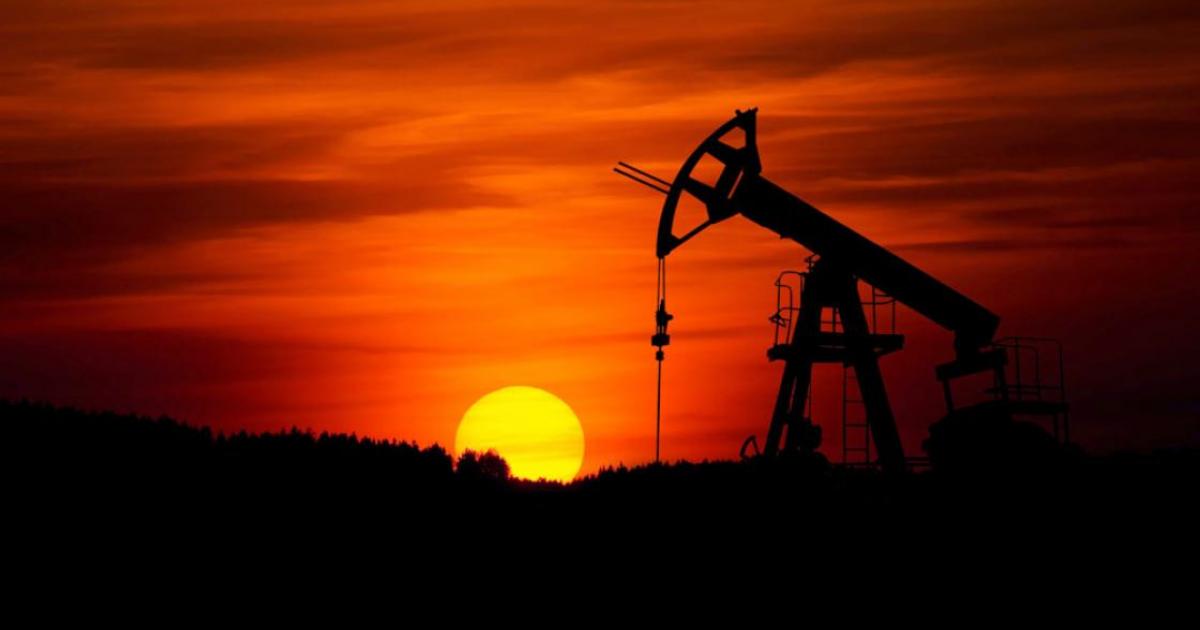
As the world watches the unfolding crisis in Ukraine, the lives of people in communities across the globe are being changed in profound ways. The invasion has sent shockwaves through the energy markets, with countries scrambling to replace Russian oil, gas, and coal supplies with any available alternative. For instance, Germany, one of Russia’s biggest energy customers, is seeking to increase its supply of oil from the Gulf and speed up the building of terminals to receive liquefied natural gas. This shift has significant implications for the environment, and the head of the United Nations, Antonio Guterres, has warned that it may fuel the world’s “mutually assured destruction” through climate change.
The “all-of-the-above” strategy being pursued by major economies to end fossil fuel imports from Russia has raised concerns that countries may become so consumed by the immediate fossil fuel supply gap that they neglect or undermine policies to cut fossil fuel use. According to Guterres, “Countries could become so consumed by the immediate fossil fuel supply gap. That they neglect or knee-cap policies to cut fossil fuel use.” This approach, he argues, is “madness” and an “addiction to fossil fuels” that is tantamount to “mutually assured destruction.” Some scientists argue that the continued reliance on fossil fuels will have severe consequences for the environment, and it is essential to consider the potential impact of this strategy on the planet.
Global Response to the Crisis
The United States, for example, has responded to the crisis by urging American oil and gas producers to increase production. White House spokesperson Jen Psaki earlier this month said that the war in Ukraine was a reason for American oil and gas producers to “go get more supply out of the ground in our own country.” This approach has sparked debate about the best way to address the energy crisis while also protecting the environment. On the other hand, Guterres has urged countries to prioritize renewable energy, saying that “instead of hitting the brakes on the decarbonization of the global economy, now is the time to put the pedal to the metal towards a renewable energy future.” This call to action highlights the need for a balanced approach that addresses both energy security and environmental concerns.
The comments from Guterres came as scientists on the U.N.’s Intergovernmental Panel on Climate Change began a two-week meeting to finalize their latest report about the world’s efforts to curb emissions of planet-heating greenhouse gases. A separate report, released last month, found that half of humanity is already at serious risk from climate change, and this will increase with each tenth of a degree of warming. The report’s findings emphasize the need for urgent action to reduce emissions and mitigate the effects of climate change. Guterres noted that the Paris climate accord’s goal of capping global warming at 1.5 degrees Celsius (2.7 Fahrenheit) was “on life support” because countries aren’t doing enough to drive down emissions.
Consequences of Inaction
With temperatures already about 1.2C higher now than before industrial times, Guterres warned that “if we continue with more of the same, we can kiss 1.5 goodbyes.” He also cautioned that “even 2 degrees may be out of reach, and that would be a catastrophe.” The consequences of inaction are severe, and it is essential to consider the potential impact of climate change on communities and ecosystems around the world. Guterres urged the world’s biggest developed and emerging economies to make meaningful emissions cuts, including by swiftly ending their dependence on coal, the most polluting fossil fuel, and holding private companies that continue to support its use to account.
As the world moves forward, it is crucial to prioritize clean air, clean water, conservation, and recycling, not just as a means to mitigate climate change, but as essential components of a healthy and sustainable environment. The shift towards renewable energy and the reduction of fossil fuel use are critical steps towards a more sustainable future. In the coming weeks and months, it will be essential to watch how countries respond to the energy crisis and whether they prioritize environmental protection and renewable energy. The outcome of the U.N.’s Intergovernmental Panel on Climate Change meeting and the implementation of the Paris climate accord’s goals will be critical in determining the course of global efforts to address climate change.
Looking ahead, the key question is whether the world’s leaders will take the necessary steps to prioritize renewable energy, reduce emissions, and protect the environment. As the global community continues to navigate the complex and interconnected challenges of energy security, economic development, and environmental protection, it is crucial to remain vigilant and committed to finding solutions that balance competing interests and prioritize the well-being of people and the planet. The next steps taken by countries and international organizations will be critical in shaping the future of the environment and the lives of communities around the world.