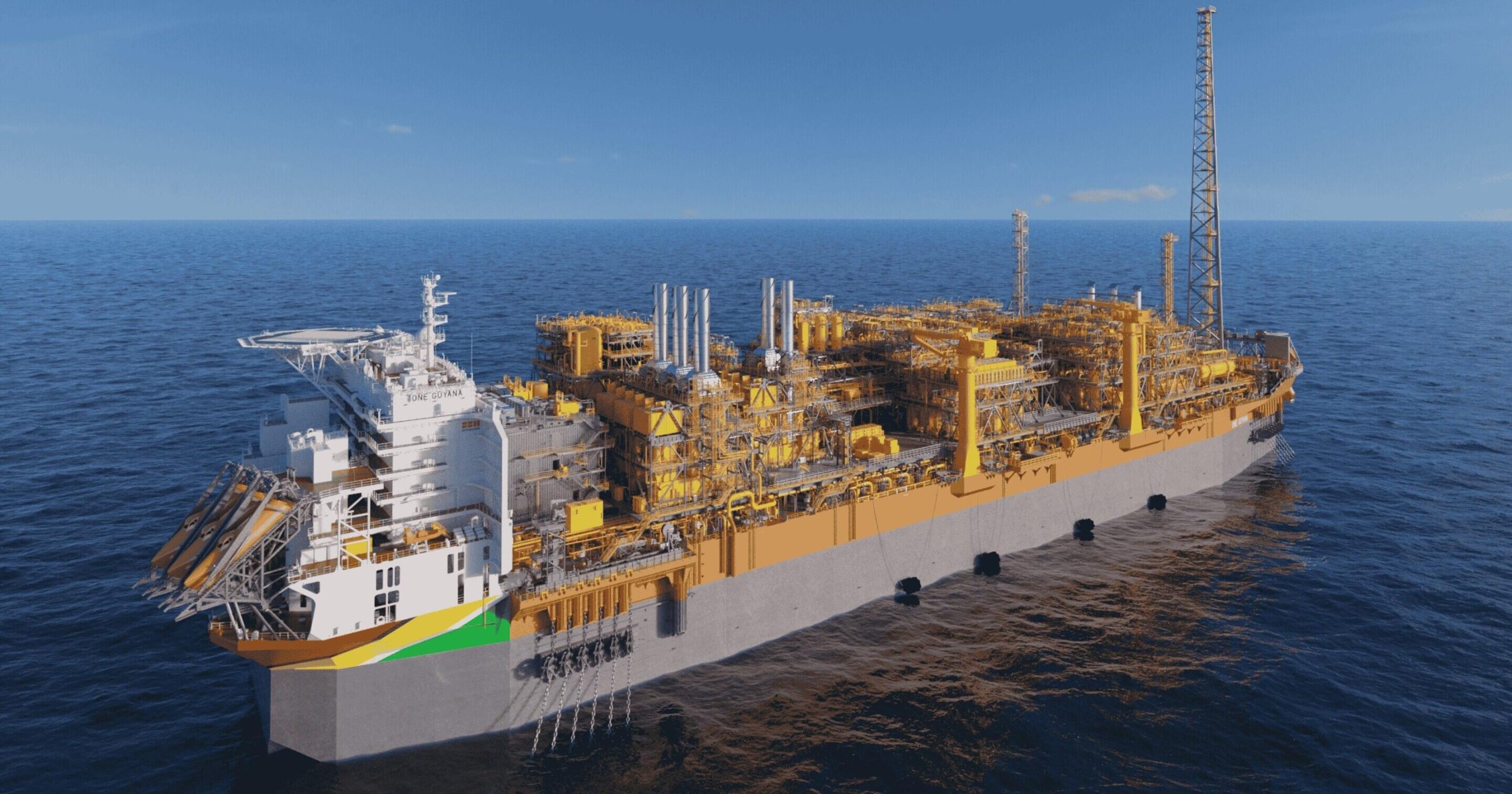
The lives of nearly 800,000 people in Guyana are about to change with the government’s approval of ExxonMobil’s $10 billion Yellowtail offshore oil and gas project. The project, which is expected to produce up to 250,000 barrels per day, will have a significant impact on the country’s economy and communities. For the people of Guyana, this project means new opportunities for employment, economic growth, and development. However, it also raises concerns about the potential environmental impact and the need for adequate insurance coverage in the event of an oil spill.
The Yellowtail project is the fourth offshore oil and gas field to be developed by ExxonMobil in Guyana, adding to the company’s Liza One, Two, and Payara fields. According to ExxonMobil, the project “further demonstrates the successful partnership between ExxonMobil and Guyana” and will “help provide the world with another reliable source of energy” to meet future demands and ensure a secure energy transition. The company has made a final investment decision on the project, which is expected to come onstream by 2025.
Environmental Concerns and Debate
The approval of the Yellowtail project comes amidst a debate between ExxonMobil and several rights and environmental groups about the adequacy of insurance coverage in the event of an oil spill. Former Guyanese environmental chief Vincent Adams has expressed concerns that the company must be made to have adequate insurance and not allowed to “water down” the language in legal documents related to the issue. During his time as the country’s environmental administrator, Adams agreed with ExxonMobil to ensure that there was at least $2.5 billion in oil spill insurance coverage.
ExxonMobil, which controls the high-yielding Stabroek Block along with American-owned Hess Oil and the China National Offshore Oil Corp., says it has at least $2 billion on standby in addition to the “financial capacity to meet our” obligations. However, the debate highlights the need for careful consideration of the potential environmental risks associated with the project and the importance of ensuring that adequate measures are in place to mitigate them.
Economic Opportunities and Future Development
The development of the Yellowtail project is expected to have a significant impact on Guyana’s economy, creating new opportunities for employment and economic growth. The project is also expected to attract new investment and interest in the country’s oil and gas sector, with the government planning to auction off several remaining blocks by the end of this year. This includes portions of unexplored areas that were previously held by companies that failed to find commercial quantities of oil and gas.
The discovery of oil in Guyana in 2015 has transformed the country into one of the world’s newest oil producers, with nearly two dozen successful oil wells allowing ExxonMobil to access more than 10 billion barrels of oil in the Guyana Basin. The first barrel of oil was pumped offshore in December 2019, marking a significant milestone in the country’s oil and gas development.
Looking to the Future
As the Yellowtail project moves forward, it will be important to watch how the government and ExxonMobil address the environmental concerns and ensure that adequate measures are in place to mitigate the risks associated with the project. The development of the project is also expected to have a significant impact on the country’s economy and communities, creating new opportunities for employment and economic growth. With the government planning to auction off several remaining blocks by the end of this year, it will be interesting to see how the oil and gas sector in Guyana continues to evolve and develop in the coming years. As the project comes onstream in 2025, it will be important to monitor its progress and ensure that it is developed in a responsible and sustainable manner that benefits both the people of Guyana and the environment.